
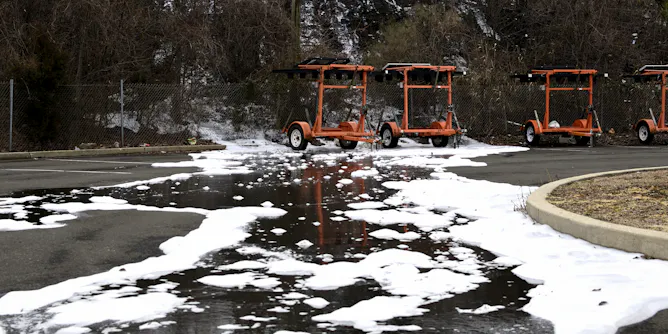
PFAS chemicals are toxic, widespread and persistent in the environment, and the federal government has been slow to regulate them. A scientist explains why evaluating them one by one isn’t working.
Articles on Regulation
Displaying 221 - 240 of 504 articles
Lack of competition regulation created outright dominance of a few players in some industries.
The Trump administration is rolling back a regulation that requires showerheads to conserve water, which saved owners an average of US$70 and nearly 3,000 gallons of water yearly per showerhead.

Self-regulation by the technology industry has failed to keep people safe online. That’s a job for government.
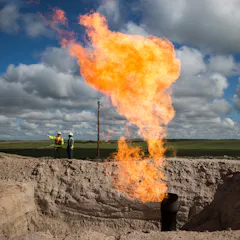
Flaring, or burning, waste gas from energy production has sharply increased over the past decade. It wastes usable fuel, pollutes the air, and helps drive climate change.
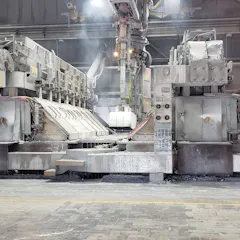
There are many possible outcomes from the closure of the smelter – just don’t expect lower electricity prices to be one of them.
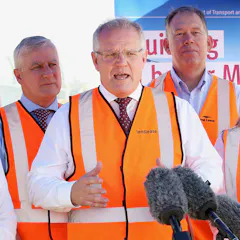
As well as an infrastructure spending boost, governments are fast-tracking approvals. But these processes exist for a reason. If we get projects wrong, we live with the consequences for decades.

Frogs are harvested as food by the millions every year. A new study shows that uncontrolled frog hunting could drive some populations to extinction by midcentury.
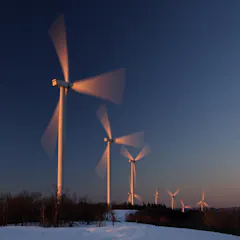
How should the United States power its economy in 2050? A recent survey finds surprising agreement from Americans of all political stripes.

After a 5-year review, the EPA is leaving US standards for fine particle air pollution unchanged, even though recent studies suggest that tightening them could save thousands of lives yearly.
The Deepwater Horizon disaster set new records for holding polluters to account. But it had much less impact on laws regulating offshore drilling or US oil dependence.
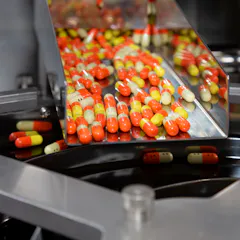
Drug shortages occur regularly in the US, even in the best of times. The pharmaceutical supply chain embodies ‘just in time’ shipping and has little built-in redundancy.
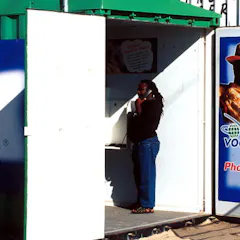
The right price for data ought to result from effective regulation and competition in the wholesale market.
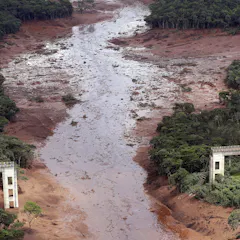
Dams built to hold enormous quantities of toxic mining waste have a long history of spills. Decisions in the Pacific Northwest threaten three free-flowing rivers there.

A new study takes an innovative approach to reducing fine particle air pollution and spotlights key sources: factories that burn coal and oil, petrochemical plants and burning wood for home heating.
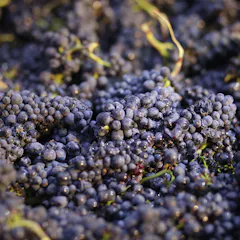
Starting Feb. 6, 2020, California farmers will be barred from using chlorpyrifos on their crops. The Trump administration says more study is needed, but other states are also moving ahead.

High prescription drug costs are a widespread concern for consumers and policymakers. For patients who need specialty drugs, though, the problem is even worse, with no relief in sight.

The EPA has just adopted a rule that limits what kinds of science regulators can use in setting rules. A scholar explains how this shift could impede his work mapping child lead poisoning.

What does it mean to call a nonfood product like lipstick organic? Federal regulators allow such claims, but have set few standards defining them.

Failure of corporations to protect data means that government regulation is required to ensure corporation compliance.
Top contributors
-

Professor of Law, University of Pittsburgh
-
Director of Energy Studies, University of Florida
-
Professor of Information Systems, Michigan State University
-
Professor of Accounting, The Ohio State University
-
Professor of Law Emeritus, Vermont Law & Graduate School
-
Professor of Law, University of Kansas
-
Professor of Economics, Monash University
-
Professor of Law, Villanova University
-
Distinguished Professor of Practice, Trachtenberg School of Public Policy & Public Administration, and Director of the Regulatory Studies Center, George Washington University
-
Senior Lecturer in Economics, Lancaster University Management School, Lancaster University
-
-
Professor of Law, University of East London
-
Professor of Law, University of California, Davis
-
Professor of Environmental Engineering, North Carolina State University
-
Vice Chancellor's Fellow at Victoria University and Adjunct Professor of Economics, Victoria University