
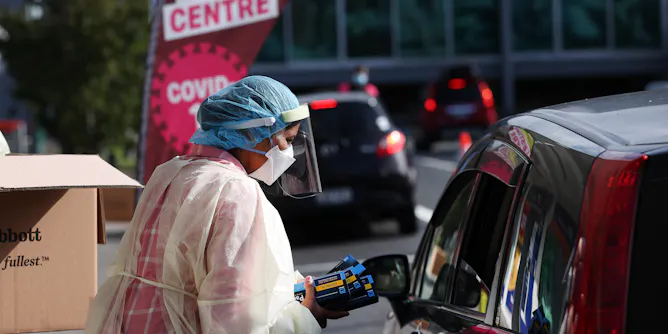
With access to testing limited and without other ways of measuring likely infection rates, New Zealand’s confirmed COVID cases are likely to be just a fraction of the total.
Articles on Rapid antigen tests
Displaying 21 - 40 of 43 articles

Calculating your risk of death or hospitalization if you are infected with the coronavirus requires good data – notably, the total number of infections in the US. Unfortunately, that data is fuzzy.
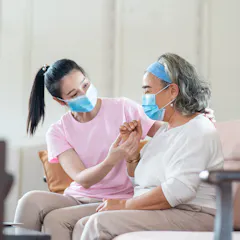
While public health measures in schools and hospitals aim to reduce COVID transmission, people with disability who have support workers in their homes have largely been forgotten.
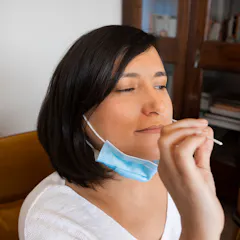
It’s easy to avoid common pitfalls when taking rapid antigen tests. Here are a few to watch out for.
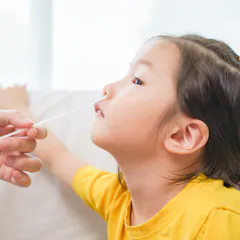
It doesn’t need to be scary or painful. With the right technique, you’ll be able to perform this test quickly and safely at home.
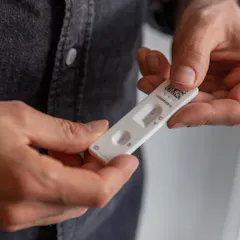
Rapid Antigen Tests are being rolled out by the millions for Australians to check their COVID status. But a result should be interpreted in context.
The NSW government’s announcement of a $1,000 fine for failing to report a positive voluntary rapid antigen test will likely achieve the opposite of its intention.

The lack of preparation has been even more stunning than the miscalculation. As prime minister, Scott Morrison has to shoulder prime responsibility.
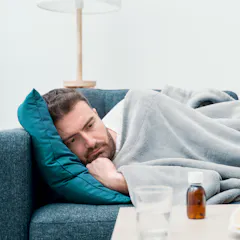
Whether you’ve tested positive on a PCR or a rapid antigen test, here are a GP’s tips of how to manage your condition.
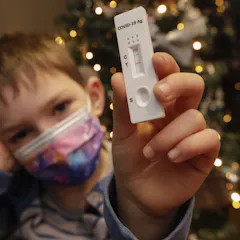
Even minor reductions in COVID transmission rates due to early isolation would justify the additional costs associated with the policy.
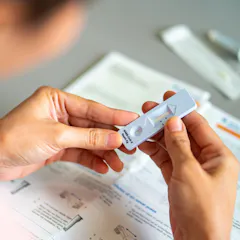
Free rapid antigen tests makes public health sense and economic sense.
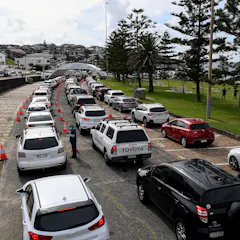
The public has been left to their own devices as all our previous safeguards collapse around us. We urgently need a “vaccines-plus” strategy to flatten the curve.

The prime minister’s inflexibility on the home-testing COVID tests is beyond curious - especially in an election year.
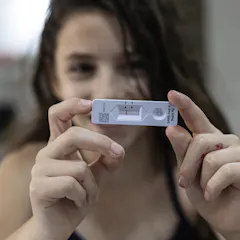
Rapid testing for COVID-19 is an extra safety measure that can help prevent spread of infection, and help you have a more normal holiday, especially if you are visiting vulnerable people.
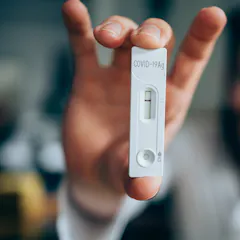
Knowing when and how often to use rapid tests is key to getting an accurate picture of your COVID-19 status.
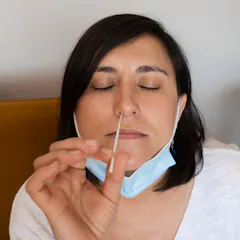
Plan ahead and wash your hands. These are just some of the tips to think about before taking a COVID rapid antigen test at home.
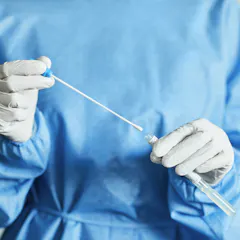
The two types of COVID-19 tests – antigen and PCR – work in very different ways, which is why one is fast but less accurate and the other is slow and precise.
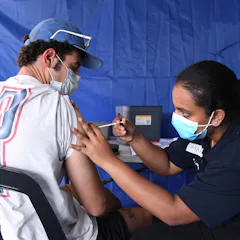
Unvaccinated people are ten times more likely to contract COVID, and more likely to pass it on than vaccinated people.
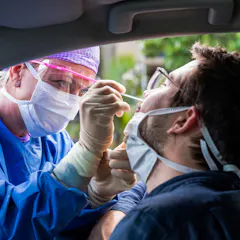
Pathology companies have recorded massive profits from COVID testing, with each PCR test attracting a Medicare rebate of A$85.
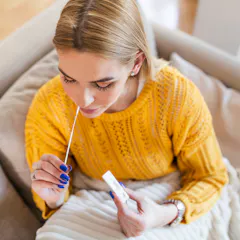
Rapid antigen testing might be convenient. But high prices for home kits will put people off, compounding disadvantage.
Top contributors
-

Professor Emerita, Nursing, School of Nursing and Midwifery, Griffith University
-
Associate Professor of Molecular Medicine, UMass Chan Medical School
-
Professor of Microbiology, The Peter Doherty Institute for Infection and Immunity
-
Assistant Professor of Medicine, UMass Chan Medical School
-
Associate Professor, School of Law, University of Canberra
-
Adjunct Associate Professor, Menzies Centre for Health Policy and Economics, University of Sydney
-
Associate Professor, Epidemiology, Deakin University
-
Scientia Professor of Economics, UNSW
-
Associate Professor of Statistics, Queensland University of Technology
-
Honorary Clinical Fellow, Department of Infectious Diseases, The University of Melbourne, The Peter Doherty Institute for Infection and Immunity
-
Professor of Public Health, University of Otago
-
Honorary Enterprise Professor, School of Population and Global Health, and Department of General Practice and Primary Care, The University of Melbourne
-
Professor, University of Sydney; RMIT University
-
Melbourne Laureate Professor, University of Melbourne; Director, The Peter Doherty Institute for Infection and Immunity
-
Associate Professor of Public Policy, University of Maryland, Baltimore County