

Research shows that rapid antigen tests are performing as well at detecting the most recent dominant variants as they did with the earliest strains in the COVID-19 pandemic.
Articles on PCR test
Displaying 1 - 20 of 26 articles
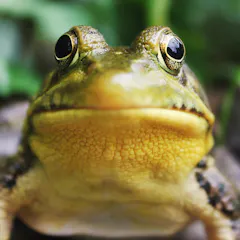
The chytrid fungal disease has been decimating frog populations worldwide for decades, and research progress has been slow. A new method for detecting the disease could help change its course.
The new COVID management plan relies on each of us assessing our own risk of COVID.

Still getting a negative RAT after a COVID exposure and days of symptoms? It might be time to consider a PCR.

Rapid tests can be an incredibly useful tool for early detection of COVID-19. Unfortunately, they sometimes leave people with more questions than answers.

Beitbridge and Musina are two border towns in Zimbabwe and South Africa that see many migrants pass through – with different health needs.
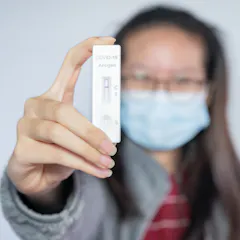
With the relaxation of mask-wearing mandates, there’s even more need to know how much over-the-counter tests help.
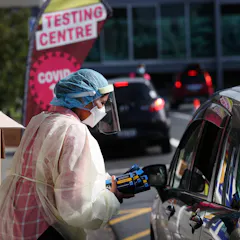
With access to testing limited and without other ways of measuring likely infection rates, New Zealand’s confirmed COVID cases are likely to be just a fraction of the total.

One of the consequences of the failure of developing countries like South Africa to authorise self-testing is that it is driving a thriving black market.
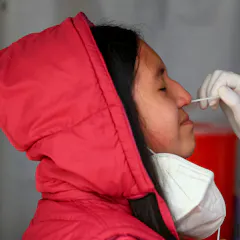
One study suggests the virus takes an average of 36 days to clear from the body after symptoms first appear.
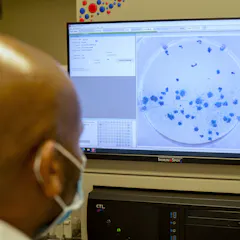
Ottawa’s travel ban against African countries made clear its underlying policy: What matters is not your test result, but where you’ve been. It’s yet another example of anti-Africa discrimation.

Whether you’ve tested positive on a PCR or a rapid antigen test, here are a GP’s tips of how to manage your condition.
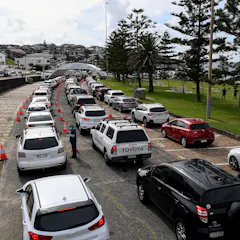
The public has been left to their own devices as all our previous safeguards collapse around us. We urgently need a “vaccines-plus” strategy to flatten the curve.
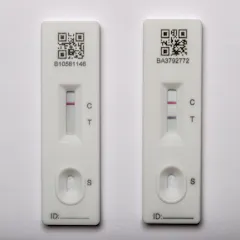
An expert in global public health answers questions on omircron.
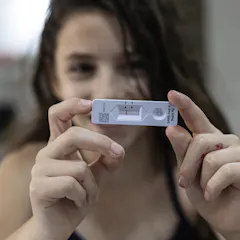
Rapid testing for COVID-19 is an extra safety measure that can help prevent spread of infection, and help you have a more normal holiday, especially if you are visiting vulnerable people.
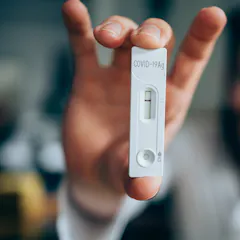
Knowing when and how often to use rapid tests is key to getting an accurate picture of your COVID-19 status.
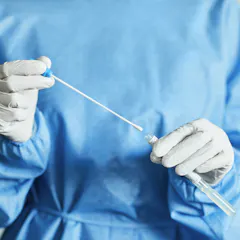
The two types of COVID-19 tests – antigen and PCR – work in very different ways, which is why one is fast but less accurate and the other is slow and precise.
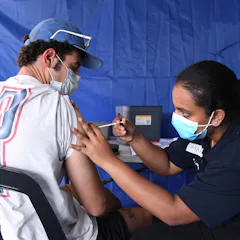
Unvaccinated people are ten times more likely to contract COVID, and more likely to pass it on than vaccinated people.
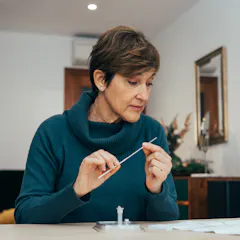
As Australia moves to the next phase of managing COVID-19, these tests will become more commonplace.

We’ve made advances towards delivering new devices to empower even people with basic medical knowledge to administer malaria tests in the field.
Top contributors
-

Associate Professor of Molecular Medicine, UMass Chan Medical School
-
Assistant Professor of Medicine, UMass Chan Medical School
-
Associate Professor, Epidemiology, Deakin University
-
Professor of Policy Impact, University of Leeds
-
Project Lead - COVID Modeling Aotearoa; Senior Lecturer - Department of Physics, University of Auckland; Principal Investigator - Te Pūnaha Matatini, University of Auckland, Waipapa Taumata Rau
-
Epidemiologist | Research Associate, Australian National University
-
Chief Scientist, CSIR - Centre for Cellular & Molecular Biology
-
PhD candidate, Edith Cowan University
-
Deputy Chair, Academic Board; Dean International, Faculty of Health Sciences, and Professor of International Health, Curtin University
-
Senior Research Officer, National Centre for Immunisation Research and Surveillance; PhD candidate
-
Associate Professor in Nutrition and Dietetics, Edith Cowan University
-
PhD Candidate/Researcher in International Relations, Queen's University, Ontario
-
Honorary Clinical Fellow, Department of Infectious Diseases, The University of Melbourne, The Peter Doherty Institute for Infection and Immunity
-
Professor of Mathematics and Statistics, University of Strathclyde
-
Academic Specialist & Senior Lecturer in Cancer Sciences & Digital Health | Superstar of STEM | Science Communicator, The University of Melbourne