
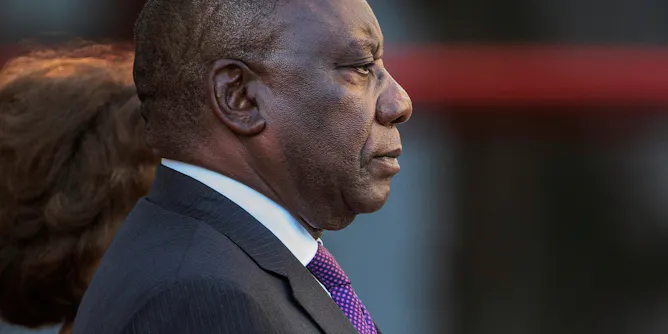
South Africa has successfully defended its constitutional democracy. But the harsh reality is that the country still faces development challenges.
Articles on Radical economic transformation
Displaying 21 - 37 of 37 articles
A closer look at the resolution of South Africa’s ruling party, the ANC, show that it won’t undertake a radical economic transformation agenda as suggested by media reports.
Free university education and land redistribution without compensation have far-reaching implications for South Africa’s economy, and requires exceptional leadership.
The conventional view is that insecurity of land tenure results from the lack of a registered title deed which records the property rights of occupants of land or housing.

South Africa’s governing ANC has always seen economic growth as the driving force for change. This was wishful thinking as the damage done by apartheid will take far more to undo.

After South Africa’s first democratic election in 1994, the previously oppressed and dispossessed black majority hoped for constitutional restitution of their land. This has largely failed.

One of the problems bedevilling South Africa’s army is being compelled to be everything to everybody. Its strategic direction is compromised by generals who pander to the whims of politicians.
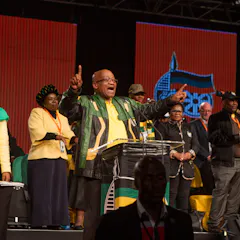
South Africa’s governing ANC appears to have lost claim to being a leader of society. This is clear from the outcome of its policy conference.

The policy conference of South Africa’s governing ANC will be remembered for a party in disarray, plagued with internal dissent.
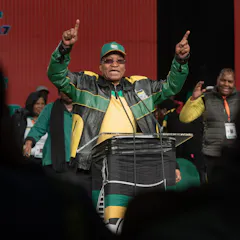
Policy conferences of South Africa’s governing ANC have been about economic policy matters. But more recently organisational renewal has also dominated, as the party loses support.
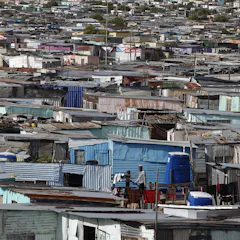
Has South Africa’s constitutional project failed? Is the country’s constitution an obstacle to meaningful redistribution and land reform?
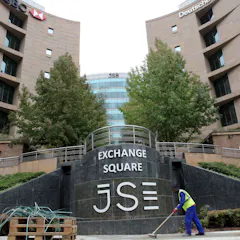
The debate about white monopoly capital in post-apartheid South Africa is good for the country’s politics but it tends to come with bad sociology.
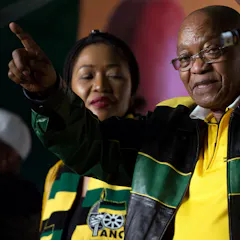
The populism politics adopted by South Africa’s ruling party, African National Congress, mask a strategy to deflect attention from the party’s policy failures and to hide its many scandals.
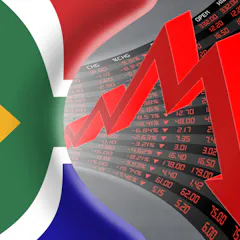
The rising talk about ‘white monopoly capital’ as an obstacle to economic inclusion in South Africa is a red herring.

South Africa’s mining industry is on an unsustainable trajectory and needs to undergo fundamental transformation that emphasises transparency, equity, and community participation.
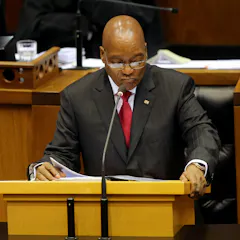
South African President, Jacob Zuma, wasted lots of time and space in cheap politicking instead of galvanising South Africans to work together for a better future.
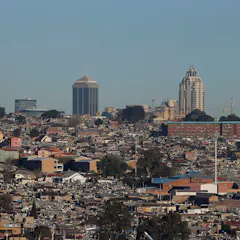
In his recent state of the nation address South Africa’s President Jacob Zuma spoke emphatically of “radical economic transformation” causing nationwide debate. What does it really mean?
Top contributors
-

Professor of Political Studies, University of Johannesburg
-
Professor of Sociology, University of the Witwatersrand
-
Visiting Professor and Professor Emeritus, University of the Witwatersrand
-
Associate professor, University of Cape Town
-
Professor of Public Affairs, Tshwane University of Technology
-
Distinguished Professor of Sustainable Development, Stellenbosch University
-
Post Doctoral Researcher, Graduate School of Business (GSB), University of Cape Town
-
Professor in Political Science, University of South Africa
-
Professor of Economics and Public Finance, School of Governance, University of the Witwatersrand
-
Emeritus Professor, Poverty, Land and Agrarian Studies, University of the Western Cape
-
Director, African Centre for the Study of the United States, University of Pretoria
-
Researcher, University of the Witwatersrand
-
Associate Professor: Department of Systematic Theology and Ecclesiology, head of the Unit for Moral Leadership, Stellenbosch University
-
Lecturer in Afrikaans linguistics, University of Pretoria
-
Chair of Energy and Climate Governance, University of Manchester