
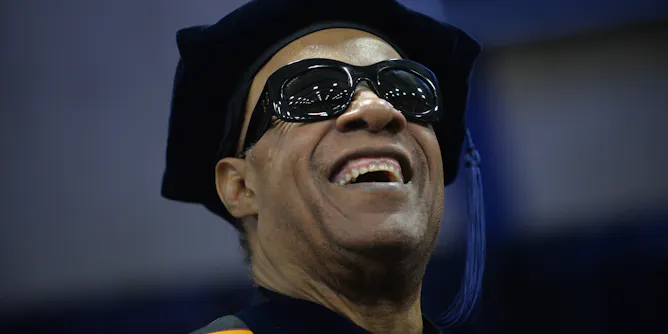
Ghana has long attracted African Americans who have suffered racial injustices in the US.
Articles on Racial injustice
Displaying all articles
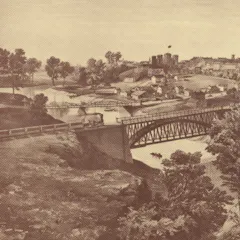
The Black Londoners Project approaches Black history geographically by supplementing narratives of 16 Black individuals with archival evidence about their lives.
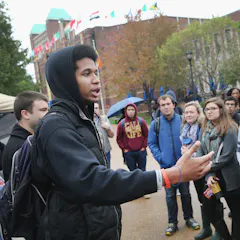
People may be more willing to boycott a retailer over an act of injustice that takes place at the store if the source of the story was Black – even if the incident happened to a white person.
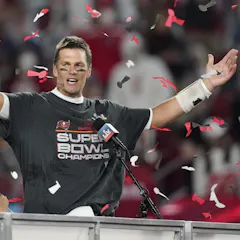
Brady taking a knee is counter to both the man and the league. Nonetheless, had he done so, he would have been received much more favourably.

White people are often defensive when they’re called out for these subtle snubs and insults. But researchers have found that microaggressions correlate with racial bias.
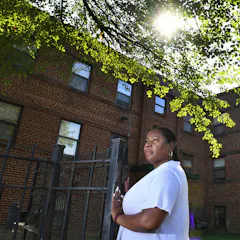
Some calls to resolve racial inequities in the US have raised an idea with roots more than a century old: community land trusts to assemble property for the benefit of Black Americans.
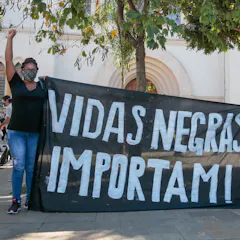
In Brazil, black COVID-19 patients are dying at higher rates than white patients. Worse housing quality, working conditions and health care help to explain the pandemic’s racially disparate toll.
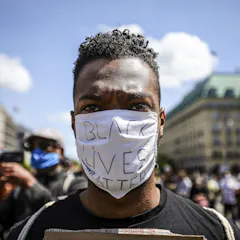
African Americans have long taken to the streets to protest against racial injustice. While some progress has been made, police violence remains an ever-present reality.

Decriminalizing medical and recreational marijuana may exacerbate racial inequality within the criminal justice system, among other things.
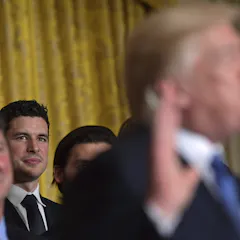
Almost 50 years ago, a white, non-American athlete supported Black athletes protesting racial injustice. Peter Norman paid a price for taking a stand. Canada’s Sidney Crosby is no Peter Norman.

The National Question cannot be resolved solely through South Africa’s constitution. There’s potential for a far more radical transformative project than traditional liberalism.
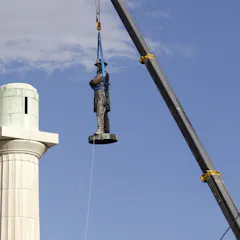
Monuments to the Confederacy in New Orleans and many other cities are problematic. But a mere erasure will not address the issues around racism and racial inequality.
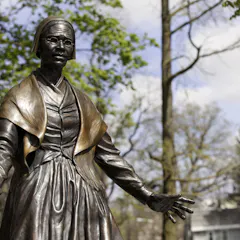
Since the 19th century, a long line of black women preachers set in motion a tradition that spoke against injustices and questioned patriarchal attitudes. Here’s their story.
Top contributors
-

Professor, African American and African Studies, University of Virginia
-
Associate Professor of Political Science, Brock University
-
Derek H. Alderman is a Friend of The Conversation.
Chancellor's Professor of Geography, University of Tennessee
-
Professor of Geography and Senior Research Associate in the Rock Ethics Institute, Penn State
-
Professor of Homiletics, Howard University
-
Distinguished Reserach Professor, Southern Centre for Inequality Studies, University of the Witwatersrand
-
Associate Professor of Marketing, Boise State University
-
Professor of Sustainability, Arizona State University
-
PhD Candidate, English, and Research Assistant, Western University
-
Associate Professor of History, Deakin University
-
Professor of Community Resources and Development, Arizona State University
-
Director of the Center for the Science of Social Connection, University of Washington
-
Professor of Public Health and Epidemiology, Universidade Estadual de Feira de Santana (UEFS)
-
Professor, African, African American, and Diaspora Studies, University of North Carolina at Chapel Hill
-
Professor of Communication Studies, Wilfrid Laurier University