
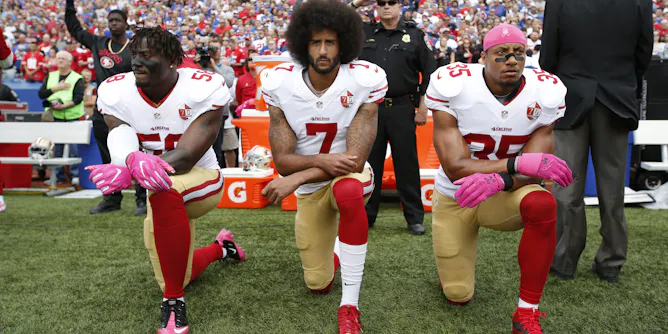
Few athletes are still kneeling to protest racial injustice. Does this mean athletes have become indifferent or is there another explanation?
Articles on Colin Kaepernick
Displaying 1 - 20 of 31 articles
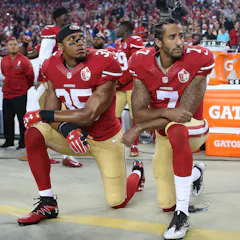
For some Americans, athletes can and should be role models, according to a study. For others, athletes should only express their views under certain conditions.
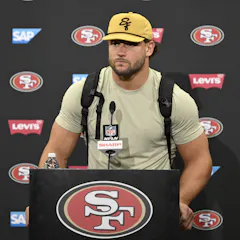
NFL defensive lineman Nick Bosa proudly donned a MAGA hat after a recent game. Will the NFL respond to his violation of league rules the same way it did to Colin Kaepernick?
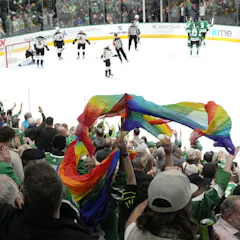
As sports organizations adapt to changing social norms and embrace newer social causes, they hold tremendous potential to impact political attitudes.
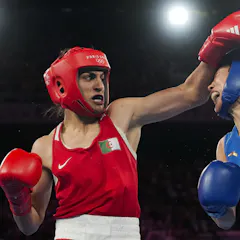
To achieve more diverse and inclusive sport environments, it is essential to prevent and appropriately respond to gender-based violence, including incidents of online public shaming.
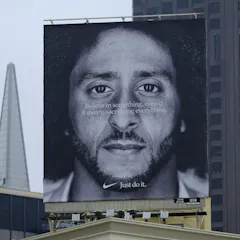
Brands are increasingly taking stances on contentious social issues and facing mass outrage on social media. New research shows that this outrage can benefit brands.
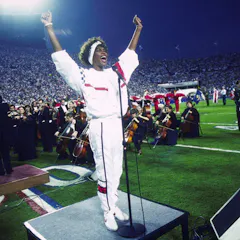
For the NFL, playing the national anthem started as a patriotic marketing ploy. It’s now played before every game alongside ‘Lift Every Voice,’ the Black national anthem, and ‘America the Beautiful.’
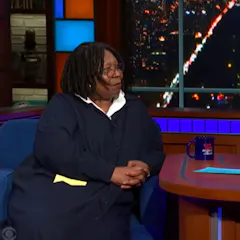
In the absence of meaningful national dialogue about race, the American public often turns to entertainers to unpack complicated social issues.
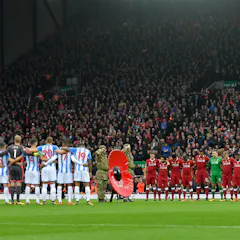
On-field demonstrations of remembrance and protest are able to harness potent political power.
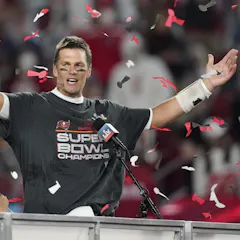
Brady taking a knee is counter to both the man and the league. Nonetheless, had he done so, he would have been received much more favourably.
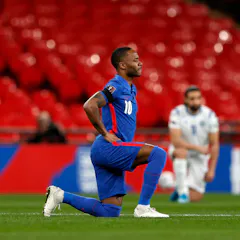
Those who booed the England team for their anti-racist demonstrations are part of a long tradition of silencing protest in sport

Brands taking a stand on social issues is no longer remarkable — but that only makes it harder to be authentic.
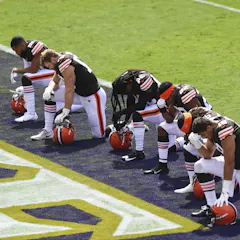
For decades, athletes, as a general rule, steered clear of politics. Teams and sponsors liked it that way, and fans did, too. No more.
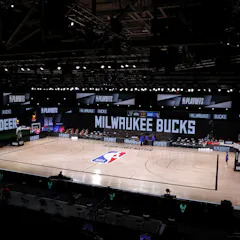
When professional athletes refuse to play, they engage in activism that can’t be co-opted by team owners and corporate sponsors.
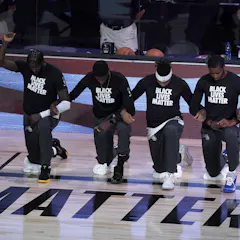
The NBA stands behind the rights of players to protest. But the league finds itself in a delicate position, trapped between the competing demands of its advertisers, TV partners, owners and players.

The Black Lives Matter movement reminds us that using national anthems at sporting events is often insensitive and whitewashes the prevalence of racism in sport.
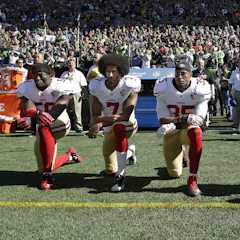
From Super Bowl ads to Netflix documentaries, the complicated issues of criminal justice are portrayed in simplistic and highly political ways.

There’s no First Amendment in the workplace, which leaves worker activists at the whim of their employers.
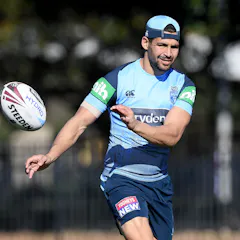
Several Indigenous rugby league players have vowed not to sing the national anthem during this week’s State of Origin match. Will the protest spark a conversation, or fizzle out?
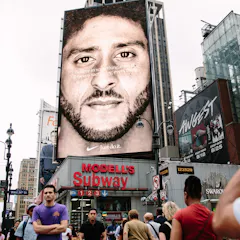
Research shows that the new trend of activism marketing hinges on whether or not the brand engages in practices that match its message.
Top contributors
-

Head Of Department in Department of Sport & Event Management, Bournemouth University
-
Associate Professor in Marketing, University of Canterbury
-
Senior Lecturer (Assistant Professor) of Marketing, Auckland University of Technology
-
Associate Professor of Marketing, Auckland University of Technology
-
PhD, Political Science, Western University
-
Senior Lecturer in Sport Management, Adelaide University
-
Senior Lecturer of Marketing, RMIT University
-
Associate Professor of Sport Management, University of Technology Sydney
-
Senior Lecturer, Modern European History and Sports History, Macquarie University
-
Assistant Professor of Kinesiology, Penn State
-
Resident Physician in Psychiatry, Yale University
-
Associate Professor School of Kinesiology and Health Science, York University, Canada
-
Associate Professor of Political Science, Brock University
-
Professor of Political Science, University of Washington
-
Assistant Professor of Sociology, University of Florida