
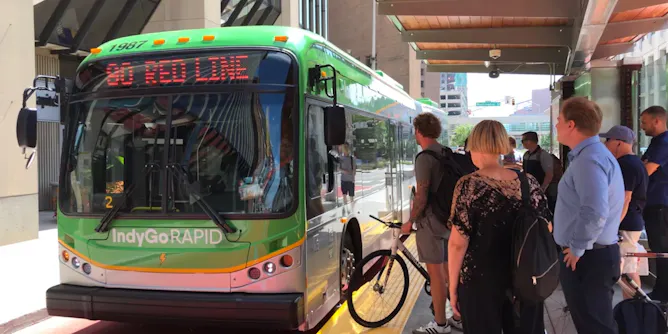
High-quality bus service is the fastest route to rapid, comprehensive public transit in the United States. This country was once a leader in bus transit, and with adequate funding, it could be again.
Articles on Public transit
Displaying 21 - 40 of 56 articles
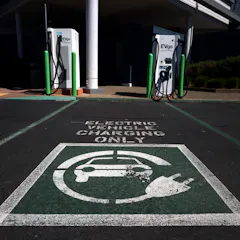
If the EV transition focuses exclusively on drivers in privately owned cars, it won’t meet many Americans’ mobility needs, particularly in underserved communities.
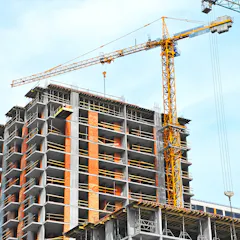
In a housing crisis, publicly owned land should never be sold to private developers and should instead be used to build the kind of housing the market is unwilling and unable to build.
Rather than promoting individual electric vehicles for lower-income consumers, governments should fund electric public transit instead.
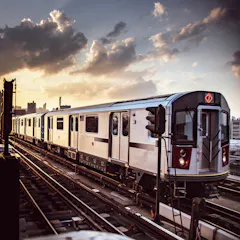
Public buses, subways and trains are relatively safe, fast and cheap. But competition from rideshares and concerns over COVID-19 will soon see some local agencies short of funds.

Moving around cities will change in the future as new technologies like self-driving cars gain wider adoption. Science fiction can give us a glimpse into these futures.

Some excellent ideas were proposed during the Ontario election on everything from transit to housing. Here’s why the rest of Canada would be wise to consider them.
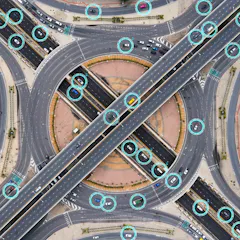
Studies show that when people can ride in a car without having to operate it, they increase their car use. That could increase traffic and pollution, unless government puts a price on car travel.

Two urban policy experts explain why taking down highways that have isolated low-income and minority neighborhoods for decades is an important part of the pending infrastructure bill.
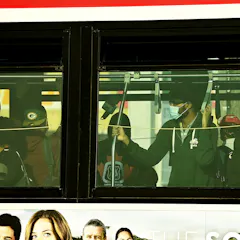
Increasing even part-time remote work disrupts public transit revenue. Agencies need to adapt fare structures and business models to meet the changing work market.
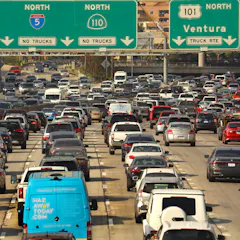
The pandemic offered a tantalizing look at city life with fewer cars in the picture. But with traffic rebounding, there’s limited time to lock in policies that make streets more people-friendly.

Many communities in Canada currently lack intercity and regional transportation. A national public transportation system would improve connectedness between cities and access to essential services.
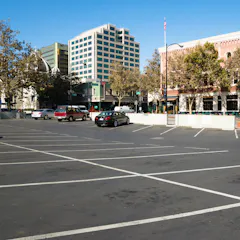
When Buffalo, New York, changed its zoning code so that developers no longer had to provide specified amounts of parking, space was freed up for public transit and people.

A global study of 117 cities finds Australian capitals have fairly poor access by car. Public transport, cycling and walking access is better than in the US, but not as good as in Europe and China.
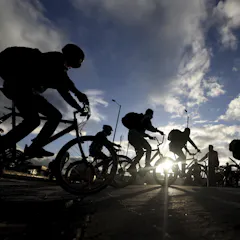
The pandemic could be a boon to car use, but it would be a mistake for governments to let that happen. There’s a golden opportunity to push towards a zero-carbon transportation system.
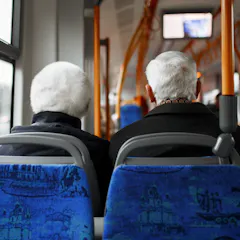
Transportation planning for the elderly should consider their needs, including safe pathways and accessible vehicles.
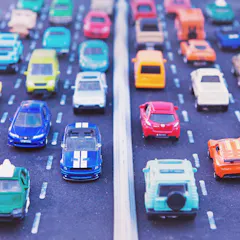
Life cycle assessments of electric vehicles show that they cannot fully eliminate the greenhouse gas emissions of personal travel. We also need bikes, buses and trains to solve our climate problems.
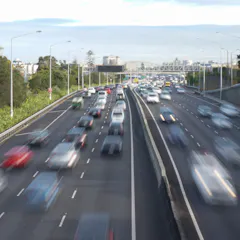
Motorways were once seen as a way of reducing congestion in our towns and cities. But the more we build, the more they fill with drivers.
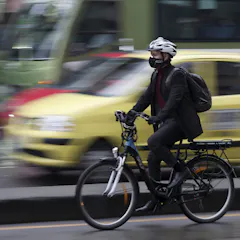
Bike shops have seen record sales during the pandemic as people try to avoid crowded transportation. But governments must do more to keep new cyclists in the saddle.
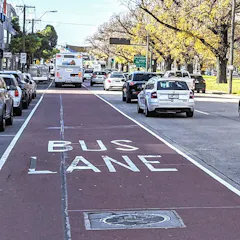
As COVID-19 restrictions are eased, cities face crippling congestion if people shun crowded public transport. More frequent and faster services, using innovations like pop-up bus lanes, can avoid this.
Top contributors
-
 John Rennie Short is a Friend of The Conversation.
Professor Emeritus of Public Policy, University of Maryland, Baltimore County
-
Professor of Urban Policy and Planning, Hunter College
-
Honorary Associate, Institute of Transport and Logistics Studies, University of Sydney
-
Adjunct Professor, School of Environmental Design and Rural Development, University of Guelph
-
Professor of Civil Engineering, University of Texas at Arlington
-
Professor of Health Sciences, Simon Fraser University
-
Executive Director, Policy Institute for Energy, Environment, and the Economy, University of California, Davis
-
Associate Professor of Civil and Environmental Engineering, University of California, Davis
-
Distinguished Blue Planet Prize Professor of Civil and Environmental Engineering and Founding Director, Institute of Transportation Studies, University of California, Davis
-
Policy Director, 3 Revolutions Future Mobility Program, Institute of Transportation Studies, University of California, Davis
-
Professor of Human Geography and Planning, University of Tasmania
-
Professor, School of Planning, University of Waterloo
-
Acting Manager Policy and Research Whitlam Institute, Western Sydney University
-
Senior Lecturer, Geography and Environmental Studies, University of Tasmania
-
Professor of Urban and Cultural Geography, Western Sydney University