
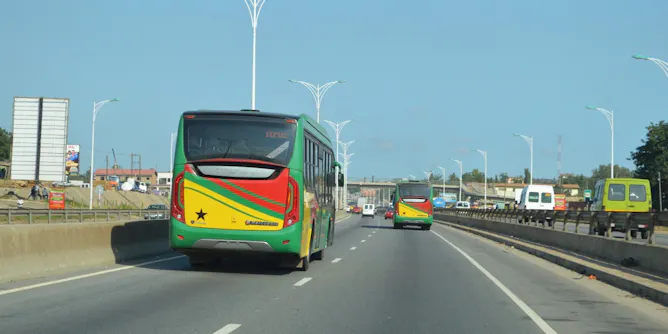
As cities grow, it would be better to have more efficient, higher-capacity transport than more vehicles on the road.
Articles on Mass transit
Displaying 1 - 20 of 29 articles
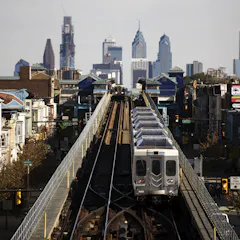
Commuters have complained about SEPTA’s poor conditions and unstable funding for nearly a century.
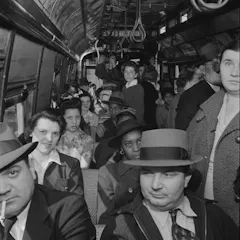
When US cities offered low-cost, high-quality public transit during World War II, buses and trains were full. Some cities are trying to revive that formula, after decades of disinvestment.
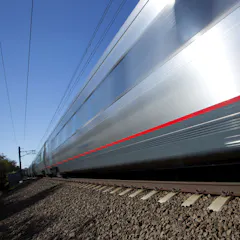
Love it or hate it, the ‘Acela Corridor’ has developed a widely recognized identity thanks to the trains that link it together.
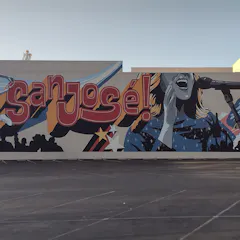
Post-pandemic pressures are compounding stresses cities were already facing, leading to the hollowing out of some American cities.
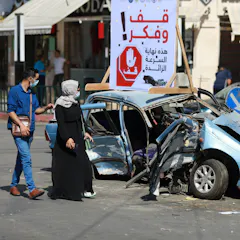
Traffic crashes kill and injure millions worldwide every year and are a major drain on economic development. Improving road safety would produce huge payoffs, especially in lower-income countries.

A global study of 117 cities finds Australian capitals have fairly poor access by car. Public transport, cycling and walking access is better than in the US, but not as good as in Europe and China.
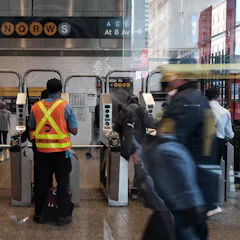
Transit agencies could use the money to buy new subway cars, buses and maintain rails. The funding is designed to build on last year’s emergency aid, which kept transit operating through the pandemic.

In many cities contemplating new light rail systems, bus rapid transit offers a cheaper, faster and more flexible solution.
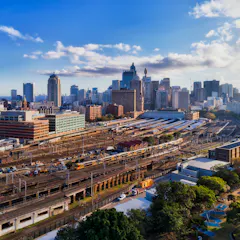
Coronavirus has changed population projections and behaviours across society. With fewer commuters we need to shift transport planning based on a hub-and-spoke network to focus on more local travel.
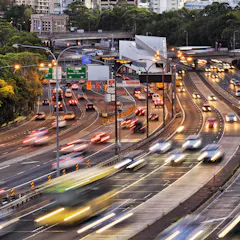
Car use and cycling have soared to above pre-pandemic levels in our biggest cities (Melbourne is an obvious exception). Walking is not far behind, but public transport is being shunned.
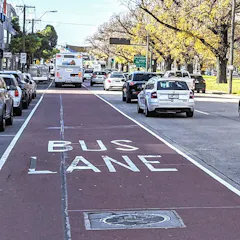
As COVID-19 restrictions are eased, cities face crippling congestion if people shun crowded public transport. More frequent and faster services, using innovations like pop-up bus lanes, can avoid this.
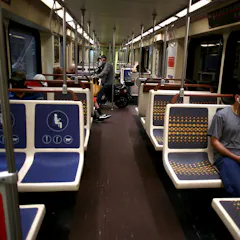
One in 5 of the poorest US households don’t have a car and rely on public transportation to get around.
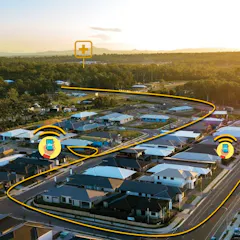
On-demand public transport has now provided over 1 million rides in 36 trials in various Australian cities. Is the problem of poor suburban public transport on the way to being solved?
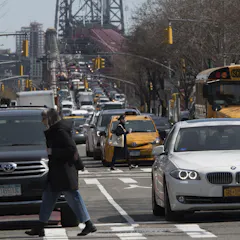
Starting in 2021, drivers will pay a fee to enter midtown and lower Manhattan during busy times of day. Will this clear New York’s air and streets?

This attention grabbing policy has less to do with solving public transport problems, and more to do with the government’s nation-branding campaign.

Under 10 percent of new Citi Bike and Divvy bike docks are sited where residents suggested using interactive online maps, a new study shows. But that doesn’t mean city officials weren’t listening.

Rising e-commerce means more delivery trucks and urban gridlock. Lockers at transit centers, where carriers can leave packages for people who live or work nearby, are a potential solution.
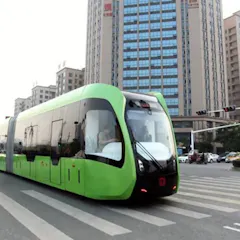
The autonomous rail rapid transit (ART) system developed in China might make buses sexy, but the technology alone won’t resolve the issues of road space and right of way in Australia.
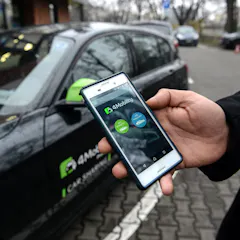
Investment is pouring into urban technology, much of it into innovative ventures that aim to transform how we get around our cities.
Top contributors
-
 John Rennie Short is a Friend of The Conversation.
Professor Emeritus of Public Policy, University of Maryland, Baltimore County
-
Assistant Professor of Community and Regional Planning and Director, Urban Information Lab, The University of Texas at Austin
-
M.S. Candidate, Community and Regional Planning, The University of Texas at Austin
-
Honorary Professor of Planning, The University of Queensland
-
Adjunct Researcher, Cities Research Institute, Griffith University
-
Acting Manager Policy and Research Whitlam Institute, Western Sydney University
-
Professor of FinTech History and Global Trade, Northumbria University, Newcastle
-
Professor of Urban and Cultural Geography, Western Sydney University
-
PhD Candidate, Bangor University
-
Professor of Civil and Environmental Engineering, Rice University
-
Professor of Practice in Urban and Regional Planning, The University of Texas at San Antonio
-
Professor of Urban Studies, University of Luxembourg
-
Senior Postdoctoral Researcher, University of Luxembourg
-
Honorary Associate, Institute of Transport and Logistics Studies, University of Sydney
-
Professor of Sustainability, Curtin University