
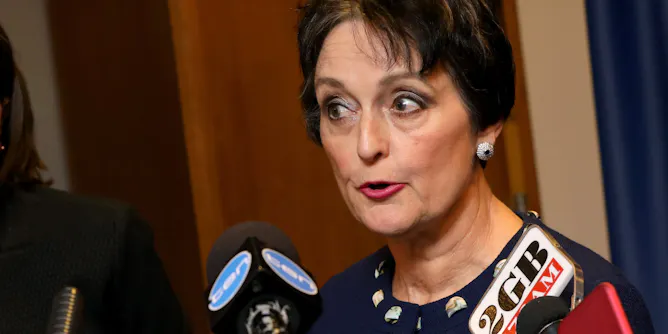
The evidence is clear on the sort of support that is needed to reduce the harms of drug use. A punitive approach that denies people a second chance makes it more likely they will reoffend.
Articles on Public housing
Displaying 81 - 100 of 128 articles
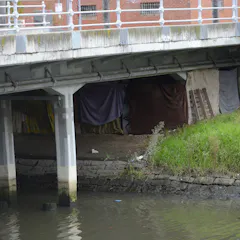
A decade after the launch of a national campaign to reduce homelessness, the latest figures show Australia is going backwards. Research points to problems in the public housing system as a key factor.
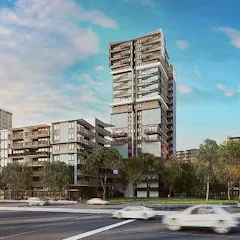
The Victorian government isn’t alone in seeking private partners to renew public housing. What is notable is its lack of transparency by comparison with such arrangements elsewhere.

Three innovative projects set to be completed this year are geared toward strengthening communities that have been left out of the economic recovery.
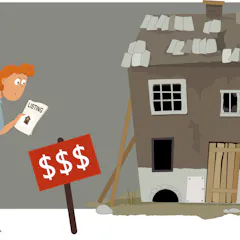
Slashing government spending on housing and scrapping a key financing option for new units would make it harder than ever for low-income Americans to keep a roof over their heads.
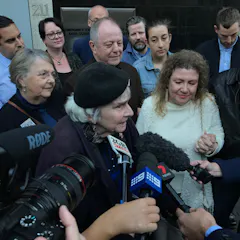
All but a handful of the former public housing tenants are gone. But despite the government again rejecting the recommended heritage listing of the Sirius building, the fight to save it isn’t over.
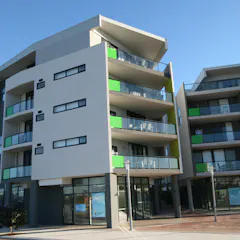
The states that are delivering more affordable housing have sophisticated, multi-pronged strategies to serve the full range of needs.

Residents of two high-rise public housing blocks are being given ‘mood lights’ to express how they feel based on their experience of the process of redeveloping their neighbourhood.
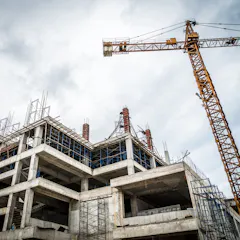
A modest rebalancing of federal tax policy toward build-to-rent housing could fill affordable housing funding gaps. Australian funds are already investing in such a scheme in the US.

The conventional view is that insecurity of land tenure results from the lack of a registered title deed which records the property rights of occupants of land or housing.
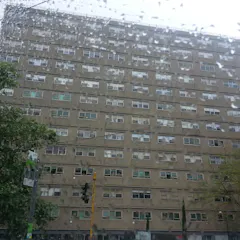
Even where communities are mixed, many inner-city families go to extraordinary financial and geographic lengths to ensure their children do not go to school with children from ‘the flats’.

One in seven Australian households is in a state of housing need. A shortfall in social housing supply means some are locked out of the market and others pay much more for rent than they can afford.
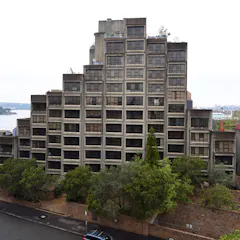
Social housing can certainly have heritage significance. Over more than 100 years, it has been shaped by contemporary architectural and political ideas, sometimes in an exemplary way.
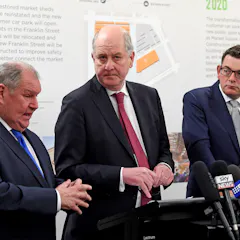
Mixing public and private housing in urban renewal projects can be a contentious business. But public good and optimal use of public resources, not developer interests, should guide such decisions.
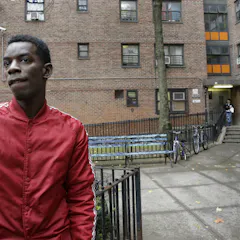
Since the 1990s, the supply of deeply subsidized housing has decreased as the US population and need for housing have increased. Trump’s proposed cuts to HUD won’t help.
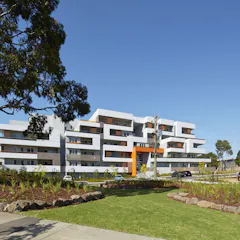
Concerns about the privatisation of public housing estates should not blind us to the benefits of the transfer of public housing to the not-for-profit community housing sector.
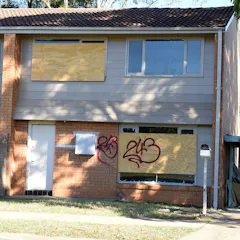
Grenfell Tower residents tragically got the world’s attention only after a disastrous fire. So what would public housing residents in Australia say about their living conditions?

Why can’t the state fund an ongoing program of upgrading, replacing and building public housing? On the evidence to date, private developers aren’t doing a better job of it.
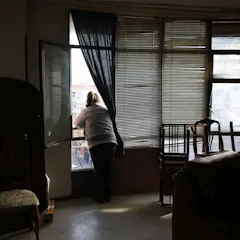
The last 24 public housing tenants holding out against eviction from Millers Point, Dawes Point and the Sirius Building still hope the government may show some compassion.
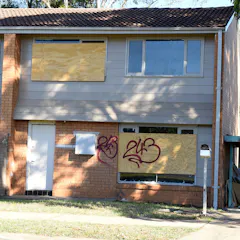
The budget is pushing for a much-needed reboot of the social housing sector. What it isn’t offering is extra funding to renew and expand run-down housing stocks.
Top contributors
-

Emeritus Professor of Housing, UNSW
-
Research associate, The University of Melbourne
-
Alan Morris is a Friend of The Conversation.
Professor, Institute for Public Policy and Governance, University of Technology Sydney
-
Senior Research Fellow, City Futures Research Centre, UNSW
-
Vice Chancellor's Postdoctoral Fellow, RMIT University
-
Research Fellow, School of Communication, Society & Culture, Macquarie University
-
Adjunct Professor, Centre for Urban Research, RMIT University
-
Head of Urbanism and Associate Professor of Urban Studies, School of Architecture, Design and Planning, University of Sydney
-
Honorary Senior Fellow in Urban Geography and Planning, The University of Melbourne
-
Professor of Housing Research, Adelaide University
-
Housing Policy Researcher, Expert Advisor, Housing Assessment Resource Tools and Adjunct Professor, L’Université d’Ottawa/University of Ottawa
-
John Curtin Distinguished Professor, Curtin Business School, Curtin University
-
Professor of Urban Planning, Centre for Urban Research, RMIT University
-
Associate professor in urbanism, University of Sydney
-
PhD Candidate, School of Social Sciences, University of Tasmania, and Senior Research Consultant, Institute for Sustainable Futures, University of Technology Sydney