

Drug companies are using women of colour and First Nations celebrities in weight-loss campaigns. Not everyone’s happy.
Articles on Public health campaigns
Displaying 1 - 20 of 52 articles

Preventing disease is clearly worthwhile. So why is the future of a key Australian health promotion agency, VicHealth, in the balance?

Campaigns designed to help us cut back on alcohol don’t always reach those most at risk of harm. Here’s what we should be doing instead.
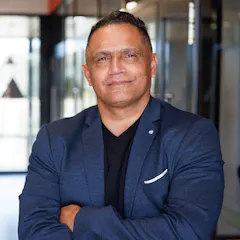
Australia’s new lung cancer screen program further disadvantages Aboriginal and Torres Strait Islander peoples, who are already at increased risk of lung cancer.
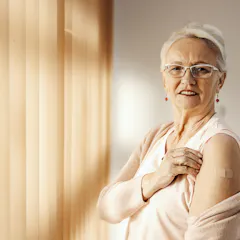
The FDA’s new framework for COVID-19 vaccines breaks from established procedure for how the government establishes vaccine guidelines.
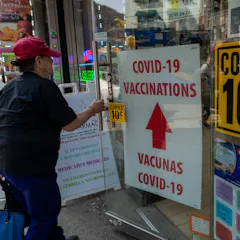
Scientific discoveries are necessary to eliminate epidemic diseases. But addressing socioeconomic factors is just as essential in the fight against diseases such as syphilis, AIDS and TB.

Dating apps are powerful allies for public health organisations - but there are still ethical issues to address.
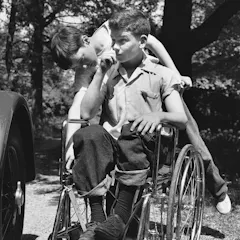
Polio vaccines have been a massive public health victory in the US. But purely celebratory messaging overlooks the ongoing threat if vaccination rates fall.

Prejudice and stigma can discourage the communities most affected by infectious diseases from seeking care. Inclusive public health messaging can prevent misinformation and guide the most vulnerable.

Our study found women aren’t necessarily aware of the link between alcohol and breast cancer. And even when they are, they aren’t always able to ‘choose’ to quit.

The term ‘MSM’ allows public health interventions to gloss over the social, political and cultural complexities of identity. But it’s not without its limitations.

Many of our interviewees didn’t see alcohol as only a bad thing and had complex reasons for their relationships with alcohol.

While the majority of monkeypox cases thus far have been recorded among men who have sex with men, everyone is still at risk of contracting the disease.
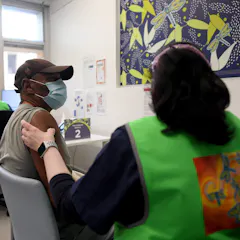
A new study has found First Nations people in rural NSW experienced more anxiety and fear about COVID than non-Indigenous people. How did government messaging contribute to this?

The government’s new $11 million winter COVID and flu vaccine ad campaign gets some things right, but it doesn’t connect on an emotional level or address concerns about common side effects.

To help people make informed decisions about ongoing COVID-19 risks, public health messaging needs to adapt as the pandemic evolves, just as immune systems adapt to new viruses and variants.

Contrary to the popular belief that social media creates rumours about COVID vaccine harms, new research suggests social media generally only aids the spread of these rumours.

Many COVID-19 vaccination campaigns encourage doctors to serve as a trusted source of vaccine information. But certain vaccine-hesitant providers may stymie these efforts.
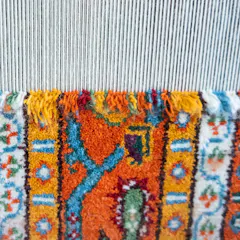
The metaphor of a collective “carpet of immunity” invites us to imagine immunity as a collaborative project, spreading out to protect those for whom the end of mandates means increased vulnerability.

Whether about a comet hitting the Earth or a virus infecting the world, fear-based messages often do not succeed at changing people’s behaviors.
Top contributors
-

Associate Professor of Public Health, Centre for Public Health, Equity and Human Flourishing, Torrens University Australia
-
Professor of Public Health, Torrens University Australia
-
SHARP Professor, Vitalities Lab, Centre for Social Research in Health and Social Policy Centre, and the ARC Centre of Excellence for Automated Decision-Making and Society, UNSW
-
Professor of Women's Health, King's College London
-
Graduate Teaching Assistant/PhD student in History, Purdue University
-
Professor Emeritus of Geography and Environmental Studies, Wilfrid Laurier University
-
Honorary Fellow, Department of Health Sciences, University of York
-
ARC Future Fellow and Sydney Horizon Fellow, School of Public Health, University of Sydney, University of Sydney
-
Emeritus Professor in Public Health, University of Sydney
-
Family Medicine Resident, Queen's University, Ontario
-
Business Ethics Lecturer, Cardiff University
-
Reader in Social Sciences and Health, Cardiff University
-
Senior Lecturer Public Health, University of Sydney
-
Director, Master of Business Administration Program (MBA); Co-Director, Better Consumption Lab, Deakin University
-
Dean (Learning & Teaching), Griffith University