

Using smartphones and wearable devices to identify mental health symptoms and deliver psychotherapy will allow more people to access quality care, according to one psychiatrist.
Articles on Psychotherapy
Displaying 41 - 60 of 61 articles

Edgar Allen Poe, Sigmund Freud and cognitive scientists have all wrestled with the human tendency to behave in ways that are irrational and self-defeating.
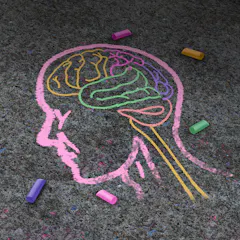
Why psychoanalysis and children shouldn’t mix.

Economists have used their monetary methodologies to work out how visiting a therapist affects labour income.

Therapy works. But success has little to do with your therapist’s experience, gender, graduate degree, or even the school of therapy they practise.

Today’s students are at increasingly high risk for mental health diagnoses. Universities need to step up.

… and does it work?
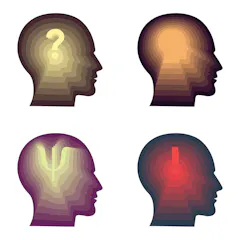
People with the same condition can respond differently to the same treatment. This is why personalised treatment is so important in all fields of medicine, including psychology.

There’s a fierce debate about whether it’s ethical for mental health professionals to diagnose politicians they haven’t personally examined.
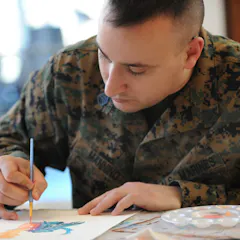
Using creativity and artistic metaphor to tap unconscious memories helps release pent up trauma.

During the 1950s and 1960s, LSD was used more for psychotherapy than recreation. Between 1950 and 1965, many were treated with LSD for alcoholism, depression, schizophrenia, autism and homosexuality.

Body identity integrity disorder is a strange and very distressing condition. A shift towards treating it as a neuroscientific problem could be the key to a cure.

While it’s important to increase the diagnosis of depression and find a treatment plan that suits the individual, simply writing more scripts for antidepressants isn’t the answer.

Ketamine may be the latest recreational drug to find a new legal use.
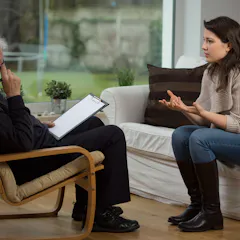
NICE recommends psychotherapy for treating schizophrenia and bipolar disorder,
despite a lack of high quality evidence to show that they’re effective.

Despite the popular perception, most psychopaths aren’t coldblooded or psychotic killers. Many live successfully among us, using their personality traits to get what they want.

While evidence suggests that the therapeutic relationship is a critical part of psychotherapy, the impact of the relationship often isn’t studied in clinical trials for trauma survivors with PTSD.

Melancholia has a strong genetic contribution, so it’s largely biologically underpinned rather than caused by social factors (stressors) or psychological factors, such as personality style.

Approaches to crime that rely on punitive methods have proved to be ineffective and counter-productive. Rehabilitation programmes not only prevent crime, but are cost-effective and practical.

Psychotherapy and psychological treatment are typically private processes, bound by the unique relationship between client and therapist, and by strict rules of confidentiality. But there’s a growing realisation…
Top contributors
-

Associate Professor of Psychiatry and Psychology, University of Pittsburgh
-
Lecturer, Department of Social & Policy Sciences and PhD Candidate in Education
-
Assistant Professor of Mental Health & Wellness; Registered Psychotherapist, Western University
-
Professor of Cognitive Neuropsychology, University of Hertfordshire
-
Senior Researcher in Global Health, Stellenbosch University
-
Assistant Professor in Psychotherapy, Dublin City University
-
Professor of Psychology, Emory University
-
Lecturer in Law, Sydney Law School, University of Sydney
-
Scientia Professor of Psychiatry, UNSW
-
Visiting Research Fellow in Anomalistic Psychology, and Personality and Individual Differences, Adelaide University
-
Head of the Department of Psychiatry, The University of Melbourne
-
Professor of Clinical Psychology, University of Manitoba
-
Leading the research group on Arts for Wellbeing, Edge Hill University
-
Senior Lecturer in Psychology, University of Sydney
-
Professor of Psychology; Member of the Strategic Research Centre for Social and Early Emotional Development, Deakin University