

Requirements for documentation such as citizenship and status cards can disadvantage people whose relationships with their respective nations have been disrupted.
Articles on Pretendians
Displaying all articles

Many claims to Cherokee identity are unsubstantiated, and this actively harms Indigenous sovereignty, distorts understandings of Indigeneity and enables appropriation of Indigenous rights and resources.

Indigenous people are more than stories. We deserve a future where our identities are not commodities, and accountability is measured by actions that build trust and repair harm.
Equity, diversity and inclusion policies are being used to obtain status and financial benefit. It’s the very antithesis of EDI as a tool for democratic and equitable citizenship.
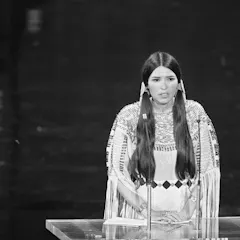
A new report disputes the heritage claims of Native American activist Sacheen Littlefeather. A scholar explains why scrutiny over alleged ethnic fraud is essential.
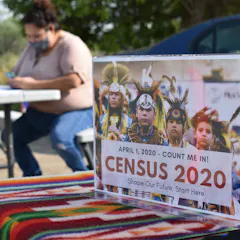
They’re called ‘pretendians’ – people who long identified as white but are now claiming to be Native American. In the last US Census, the number of Native Americans almost doubled because of them.
In recent years, some prominent people have been called out for falsely claiming Indigenous identity. Why would someone falsely claim an identity? And what does it mean to be Indigenous?
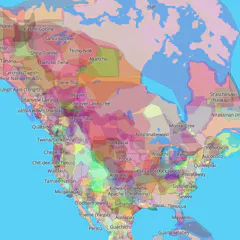
Land acknowledgments state that activities are taking place on land previously owned by Indigenous peoples. They’re popular – but they may harm more than they heal, say three anthropologists.
Top contributors
-

Associate Professor, Department of Anthropology, McGill University
-
Assistant Professor, Sociology, University of British Columbia
-
President of the Association of Indigenous Anthropologists; Associate Professor of Anthropology, University of North Carolina at Chapel Hill
-
Lecturer on American Indian Studies, California State University San Marcos
-
Professor of African Studies and Anthropology, University of North Carolina at Chapel Hill
-
Professor of Anthropology, The University of Texas at Austin
-
Professor of Anthropology & Director for Undergraduate Research, College of Arts and Letters, San Diego State University
-
Cherokee Nation citizen, Professor of Critical Indigenous Studies and English, University of British Columbia
-
Professor, Faculty of Education, University of Manitoba