

While more Native Americans living on reservations attend college than in decades prior, just 10.3% earned college degrees in 2020.
Articles on American Indians
Displaying 1 - 20 of 25 articles
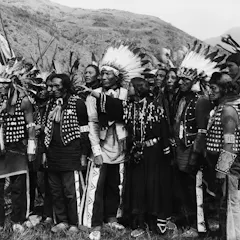
The failed Voice to Parliament referendum dashed the hopes of many mapping out a path to reconciliation. If we look to the example set by North American Indians, there might be another way forward.
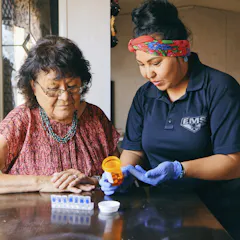
Native Americans sent to government-funded schools now experience significantly higher rates of mental and physical health problems than those who did not.
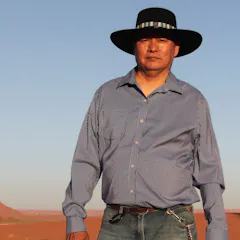
Unrelenting poverty, underemployment and historical trauma all contribute to the health challenges faced by Indigenous Americans.
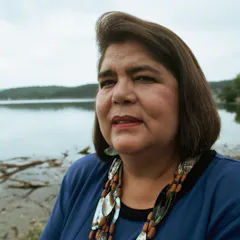
Wilma Mankiller’s groundbreaking tenure as chief of the Cherokee Nation introduced the US to the power of Indigenous women’s leadership.
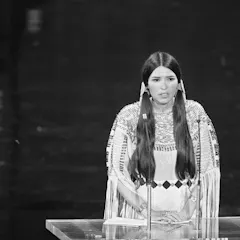
A new report disputes the heritage claims of Native American activist Sacheen Littlefeather. A scholar explains why scrutiny over alleged ethnic fraud is essential.
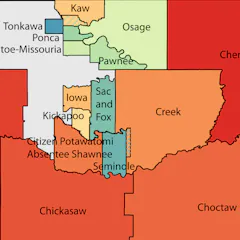
Local governments in Oklahoma are adapting to a 2020 Supreme Court ruling, but state officials have chosen a different path.
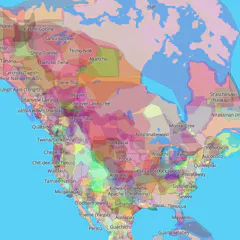
Land acknowledgments state that activities are taking place on land previously owned by Indigenous peoples. They’re popular – but they may harm more than they heal, say three anthropologists.
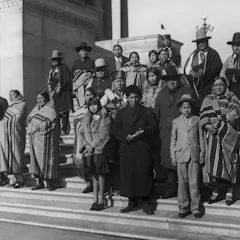
The discovery of oil and gas made members of the Osage Nation among the richest people in the world. But it also made them targets for exploitation.
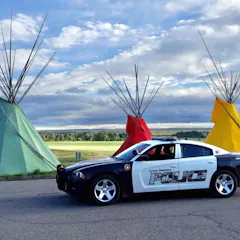
A defendant who is not a Native American claimed tribal police had no power over him, even on tribal land. The Supreme Court disagreed.
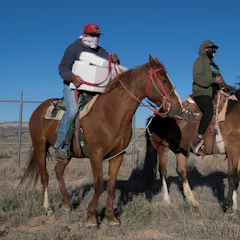
Indigenous people in the US have high rates of food insecurity and dietary-related health problems. Any attempts to address the problem must start with land justice, argues a scholar of Native health and food.

The census will likely count fewer Black Americans, Indigenous peoples, Asian Americans and Americans of Hispanic or Latino origin than there actually are.
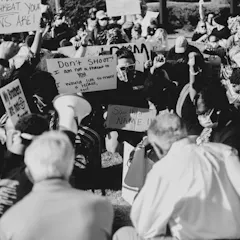
The Lumbee Tribe of North Carolina has a long history of struggle, protest and resistance to white supremacy and its social effects.

The long history of celebrating Christopher Columbus discovering America is being challenged by indigenous voices and perspectives.
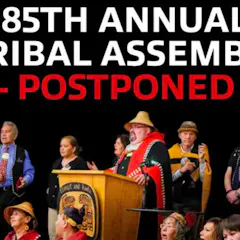
American Indians and Alaska Natives are the most impoverished and marginalized group in the US. Tribes are working to protect their people from the coronavirus, but they have few resources to do so.
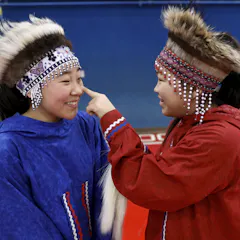
Native Americans who live in villages and on traditional lands have been undercounted by the U.S. Census for decades.
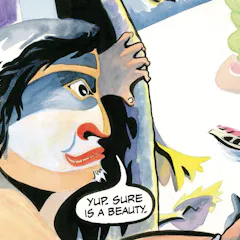
The “Haida manga” by Indigenous artist Yahgulanaas opens a graphic dialogue between the different cultures of the Pacific Northwest and East Asia.
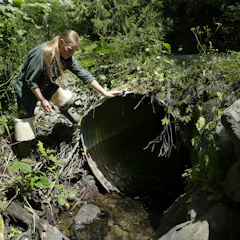
A Supreme Court case deals with the narrow issue of tribal salmon fishing rights in the Northwest, but raises fundamental questions about justice for American Indians.

Compared to the average US citizen, American Indians and Alaskan Natives live shorter lives and are at greater risk for a number of health problems.
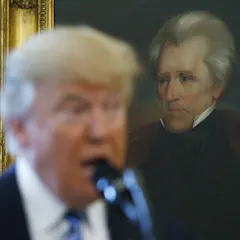
Comparisons often ignore the troubling history of how Jackson treated Native Americans. An expert on Native American history draws parallels to the new administration.
Top contributors
-

Professor of Law and Adjunct Professor of Political Science, Wayne State University
-
Professor of English and Literary Arts, University of Denver
-
Assistant Professor of Arab Crossroads Studies and Anthropology , NYU Abu Dhabi, chercheuse associée LESC, Université Paris Nanterre
-
Assistant Professor, Social Studies Education, Penn State
-
Professor Pharmacy Practice & School of Public and Community Health Sciences, University of Montana
-
Assistant Professor of Sociology, University of California, Merced
-
Professor of Environment and Sustainability, University of Michigan
-
Associate Research Professor of Anthropology, University of Colorado Denver
-
Anthropologue, Directrice de recherche au CNRS, Laboratoire d'anthropologie sociale, École des Hautes Études en Sciences Sociales (EHESS)
-
Lecturer on American Indian Studies, California State University San Marcos
-
President of the Association of Indigenous Anthropologists; Associate Professor of Anthropology, University of North Carolina at Chapel Hill
-
Professor of African Studies and Anthropology, University of North Carolina at Chapel Hill
-
Professor of Law, University of Dayton
-
Associate Professor of Environmental Science and Policy, Smith College
-
History PhD Student, Emory University