
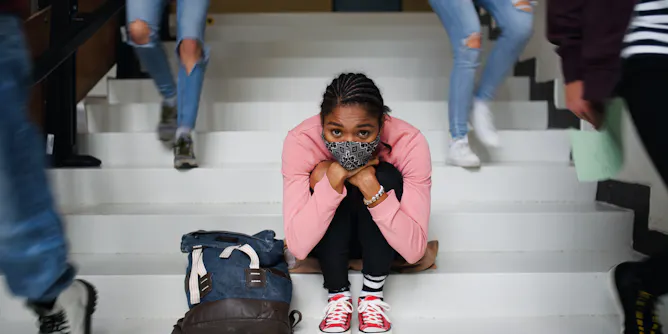
The loss of income, economic and food insecurity, fear of infection, and death of family members resulted in feelings of frustration, anxiety and depression.
Articles on Poverty
Displaying 341 - 360 of 1031 articles
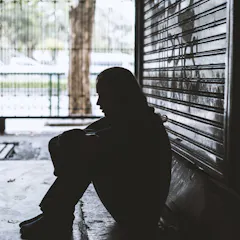
Low literacy levels are a common contributing factor in Australia’s homeless population. We asked people who have experienced homelessness how poor literacy affected their lives – and what would help.
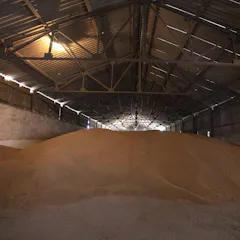
Environmental catastrophe, war, a worldwide pandemic. What does this mean for feeding the world today and in the future?

Challenges in evidence, long-term planning and public understanding mean that universal basic income has become easier said than done.
The author of Shuggie Bain returns to the public housing schemes of 1980s working-class Glasgow to explore the redemptive power of secure love and the dangers of violent, dominating masculinity.
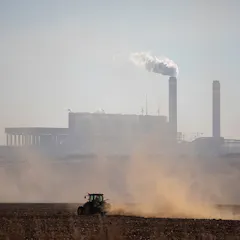
Investment in green technologies in sectors which cause significant environmental pollution can create a double dividend.
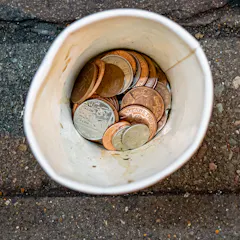
Why the government’s main measure of poverty doesn’t tell us much about the lowest-income people.
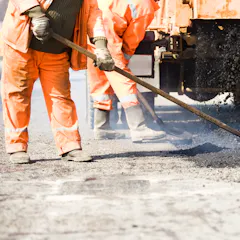
Opinion and evidence differ on minimum wage policies, but one thing seems clear – they need to be better integrated within a wider economic support strategy.
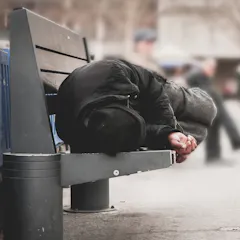
Governments acted swiftly to reduce homelessness during the pandemic. Their actions could tell us how to end it permanently.

Old age poverty is looming for thousands of New Zealanders who are going into retirement without a house, without savings and facing high costs of living.
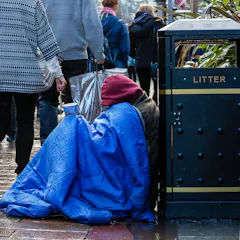
Experts on poverty in Britain explain how destitution affects different groups of people and aspects of life.

Adults in the US reported the same levels of depression a year into the pandemic as they did at the outset.
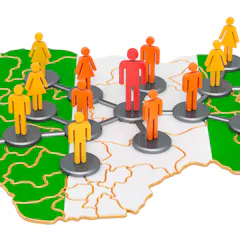
Social scientists in Nigeria communicate their research results more among themselves than they do to policymakers and the general public.
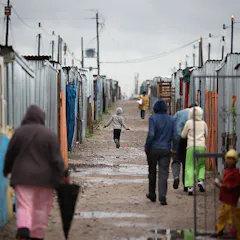
Social security reforms are needed that include support for the long-term and chronically unemployed and informal workers.
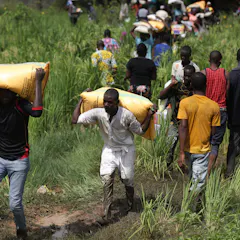
Nigeria has the largest number of people living in extreme poverty in Africa. Turning the tide requires inclusive growth, value added productivity and strong institutions.
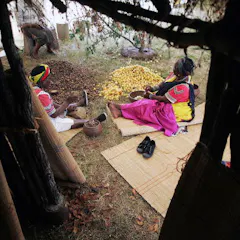
The number of retirees at risk of poverty is growing, making them three times more likely to experience poverty than any other age group.

A liaison group with large financial institutions has worked in the US and the Netherlands.
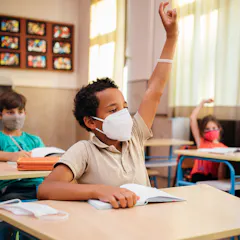
When it comes to helping students who are homeless during the pandemic, identifying who they are is crucial, says a researcher studying the issue in one of the largest US school districts.

Whereas digital work can bring freedom and flexibility into the lives of workers in Africa, it can also contribute towards their precarity and vulnerability.
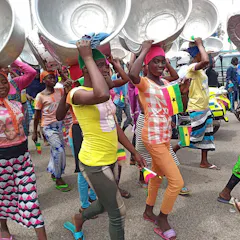
Unresolved historical injustices, deepened in new forms, undermined compliance with Ghana’s COVID lockdown.
Top contributors
-

Professor of Social Development Studies, University of Johannesburg
-
Professor of Economics & Business, Allegheny College
-
Professor of Political Studies, University of Johannesburg
-
Professor, Crawford School of Public Policy, Australian National University
-
Professor, Sol Plaatje University
-
Pro Vice-Chancellor, Climate, Sustainability and Inequality and Director, Southern Centre for Inequality Studies, University of the Witwatersrand
-
Senior Fellow, Department of Agricultural Economics, Stellenbosch University
-
Director of the Roy McKenzie Centre for the Study of Families and Children, Te Herenga Waka — Victoria University of Wellington
-
Professor of Economics, Fordham University
-
Senior Research Fellow, World Institute for Development Economics Research (UNU-WIDER), United Nations University
-
DSTI/NRF Research Chair in Welfare and Social Development, University of Johannesburg
-
Distinguished Research Fellow, Human Sciences Research Council
-
Honorary Research Fellow, City Political Economy Research Centre, City St George's, University of London
-
Dean of the Faculty of Economic and Management Sciences, University of Pretoria
-
Senior Researcher, Southern Centre for Inequality Studies, University of the Witwatersrand