
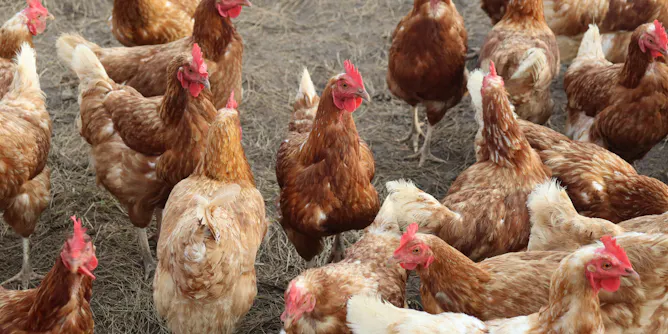
The poultry industry is on high alert. But authorities have had years to prepare for this moment and plans are being put in place.
Articles on Poultry
Displaying 1 - 20 of 42 articles
Domestic pet owners, particularly those with chicken flocks, should be on alert for signs of this highly infectious virus.
A first human H9N2 bird flu case in Europe has been detected in Italy. A virologist explains why the current risk is low and what to watch next.

Diversifying exports takes time; what needs to be in place to achieve this?

Artificial intelligence can sift thorugh vast amounts of online social media and environmental data to predict avian flu outbreaks.
Competition issues are at the heart of the surge in prices and low production in Malawi and Zambia.
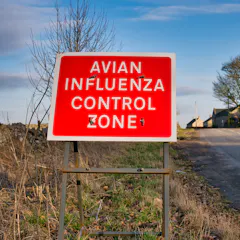
Restrictions have recently been put in place in England and Scotland to curb the spread of bird flu.
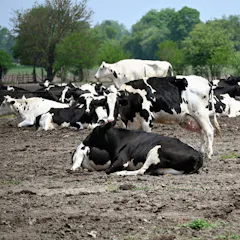
Raw milk can carry many dangerous germs − now including the H5N1 virus that causes avian flu.
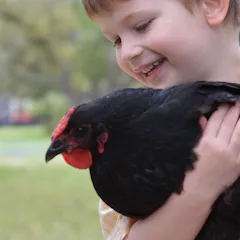
Research has found people see backyard chickens as pets – but wouldn’t take them to the vet. It raises important questions about how we relate to the non-human world.

South Africa’s agricultural sector’s potential can only be realized if new government focusses on implementation of existing policies rather than coming up with new ones
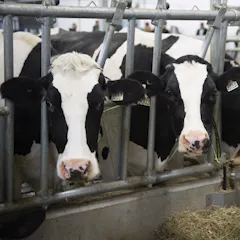
Bird flu in U.S. dairy cows has Canadian public health experts on high alert. With one human case identified in Texas, what is the likelihood of H5N1 influenza moving from birds to mammals to people?
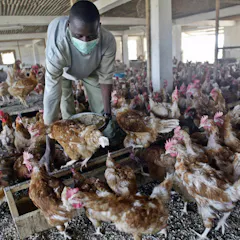
People should minimise contact with birds in areas affected by bird flu viruses, including farms and settings where live animals may be sold or slaughtered.

Keeping guests safe involves far more than just careful cooking − hand-washing, keeping work surfaces clean, safe handling and proper storage are also key ingredients.
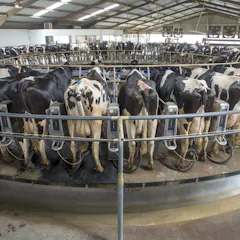
South Africa’s biosecurity breaches signal capacity challenges in farm biosecurity measures and the country’s veterinary and related support services.
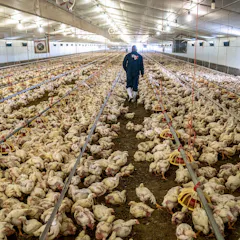
New and innovative thinking is needed to deal with the reality on the ground in South Africa.
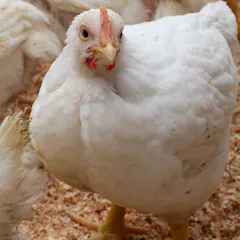
Tracking data suggests individual chickens have very different movement patterns.

Avian influenza — commonly known as ‘bird flu’ — is infecting domestic and wild birds in Canada and around the world.
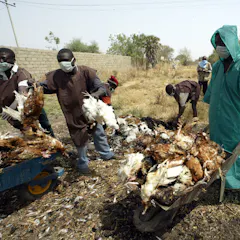
Bird flu has been recurring in Africa since 2006 and Nigeria is heavily affected. High-level biosecurity measures are required to keep people and animals safe.

Avian influenza viruses have evolved to infect birds, but the current H5N1 outbreak is also infecting a wide range of mammals. This suggests that it could mutate into forms that threaten humans.
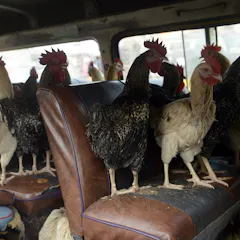
Indiscriminate antimicrobial use in Nigeria’s poultry value chain is putting people at risk of developing resistance to medicines.
Top contributors
-

Senior Fellow, Department of Agricultural Economics, Stellenbosch University
-
Professor, MRC-University of Glasgow Centre for Virus Research, University of Glasgow
-
Senior Analyst, University of Pretoria
-
Professor of Law, Saint Louis University
-
PhD candidate, Australian National University
-
University Distinguished Professor, Department of Agricultural and Resource Economics, University of Saskatchewan
-
Professor, Food Economics, University of Guelph
-
Professor, Dept of Food, Agricultural and Resource Economics, University of Guelph
-
-
Team Leader- Mammalian infection disease research, CSIRO
-
Professor of Sociology and Associate Dean for Research & Graduate Affairs, College of Liberal Arts, Colorado State University
-
Lecturer and Assistant Specialist in Cooperative Extension, University of California, Davis
-
Professor, National Centre for Epidemiology and Population Health, Australian National University
-
Professor of Veterinary Microbiology, University of Ibadan
-
Senior research fellow, The University of Melbourne