
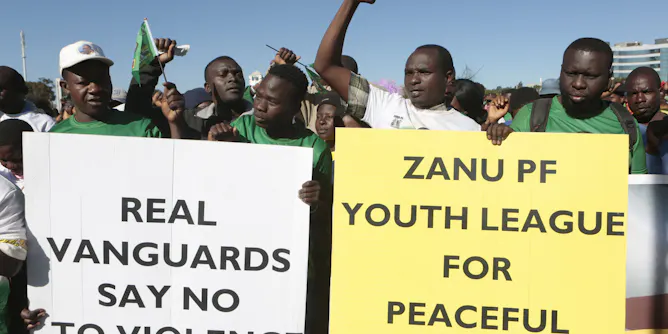
The credibility of Zimbabwe’s elections will depend on issues like political violence and media freedom.
Articles on Post-colonialism
Displaying 41 - 60 of 86 articles

Whether being called ‘curry munchers’ or pigeonholed as authorities on a dish largely invented by the British, diasporic South Asians are emulsified in a deep pool of curry.
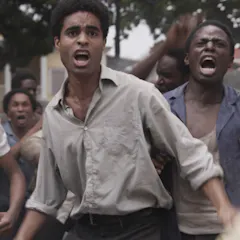
Great Britain was not the only country behaving badly with its Caribbean population: France also experienced similar waves of post-war migration.

Marginalised Namibians should be encouraged to take up cameras to document their lives – on their own terms.

A long read on how science’s dark imperial past still shapes research today – and what to do about it.

South Africa has tended to prioritise race relations over gender relations since formal apartheid ended.
Africa needs a new strategy for mother-tongue based bilingual education, from primary through to tertiary level.

Writing and rewriting black sporting history is a means of redressing exclusion.

Research shows that Indigenous women are at greatest risk of injury within Canada. Income, education and housing inequities play a role. So does systemic racism and post-colonial trauma.
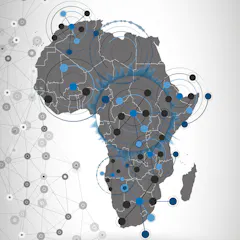
A focus on collaboration among African universities and research institutions is crucial in developing national policies that meet the principles of open data while keeping it safe from exploitation.
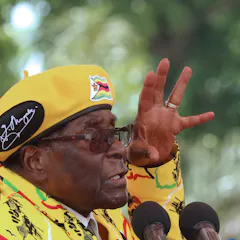
Are we witnessing the end of an era in which dictators stayed in power for decades? If so this must be good not only for Angola and Zimbabwe but for southern Africa as a whole.
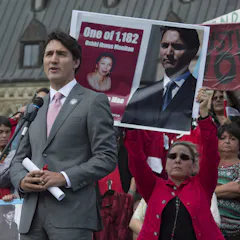
The Indigenous in New Zealand have fared better than First Nations in Canada in terms of self-determination. Why? It’s about a lot more than geography, land mass and language.

Universities play a major role in procuring the human and intellectual resources needed for fulfilling the various goals of the UN’s Agenda 2030.
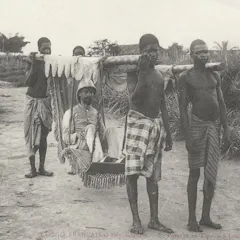
An academic article that asserted the benefits of colonialism caused an outcry and resulted in calls for its removal. A post-colonial expert explains why.
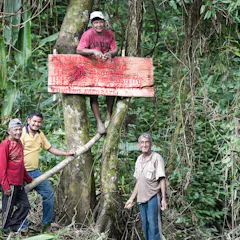
They are contesting the maps that deny them territorial rights.
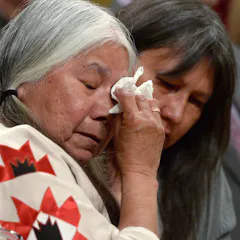
“What have we failed to know and at what cost?” An education professor draws upon Indigenous literature to support a personal journey into classroom decolonization.
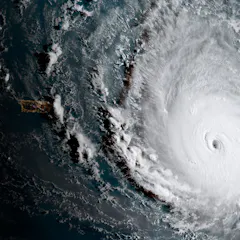
The Caribbean is facing its second deadly hurricane in as many weeks. This isn’t just bad luck: the region’s extreme vulnerability to disaster also reflects entrenched social inequalities.
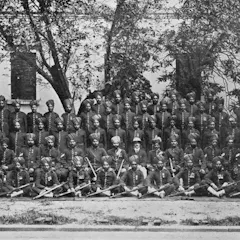
There is something disconcerting about the Western move to denounce the human rights records of post-colonial states.
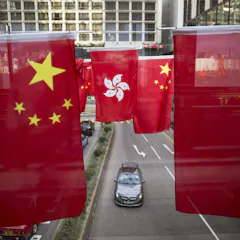
Beijing’s plans for Hong Kong aren’t going down well with all its post-colonial subjects.

Critical decolonisation means accepting risk of error. It means considering whether indigenous knowledge systems might contain truths that western science hasn’t accessed.
Top contributors
-

Emeritus Professor of African Linguistics, University of Leipzig
-
Professor of English Language Teaching and Literacy Development, Rhodes University
-
Senior Lecturer, Literary and Cultural Studies, Monash University
-
Associate Professor Sport History, Stellenbosch University
-
South African visual artist and senior lecturer of Art History and Visual Culture at Rhodes University, Rhodes University
-
Professor of Indian and Colonial History, University of Liverpool; Independent Social Research Foundation
-
Senior Lecturer in American History & Director of Liberal Arts, University of Exeter
-
Distinguished Professor, Department of Curriculum, Teaching and Learning, Ontario Institute for Studies in Education, University of Toronto
-
Digital Research Infrastructure Consultant, University of Cape Town
-
Formerly Reader, Birmingham Law School
-
Assistant Lecturer, Geography Department, The University of the West Indies: St. Augustine Campus
-
Lecturer: History; Humanities, University of Pretoria
-
Director of History & Policy at the Institute of Historical Research and Professor of British and Commonwealth History, School of Advanced Study, University of London
-
Professor of Philosophy of Science, Durham University
-
Professor of the Politics of Development, University of Oxford