

The ‘exodus’ from capital cities amounts to 0.06% of their populations – similar to recent years – and people are still moving to the cities. What’s missing is growth driven by international migrants.
Articles on Population
Displaying 81 - 100 of 222 articles

If we want a liveable future for our grandchildren is it ethical to reduce the number of people being born into that world?
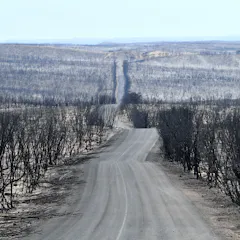
Humanity is destroying Earth’s ability to support complex life. But coming to grips with the magnitude of the problem is hard, even for experts.
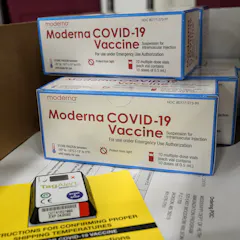
Researchers say around 70% of the US needs to get the coronavirus vaccine to stop the pandemic. But questions around the vaccines and regional differences add some uncertainty to that estimate.
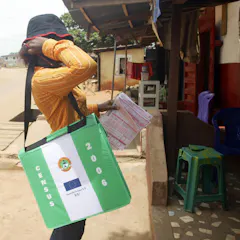
Planning for Nigeria’s next census scheduled for 2021 must address critical issues.
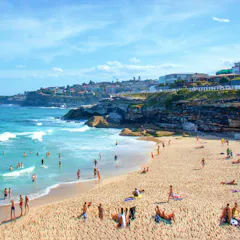
Until now, the US has been the most popular destination for potential migrants, and Australia around fifth.

With 70 percent of its people under 30 years, Nigeria needs to harness the strength in its youthful population.
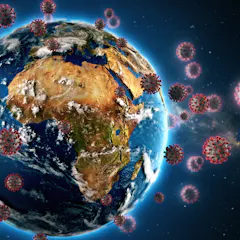
The gap between predictions of COVID-19 deaths in Africa and what has actually happened is staggering.
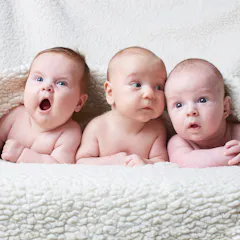
If governments are looking for a post-pandemic “baby boom” to help populations grow, then they should increase the amount and duration of paid parental leave for both mums and partners.
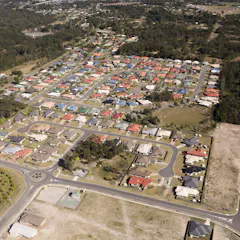
Australia lacks a coherent national approach to planning where settlement and growth happens. It’s time to take stock of our cities and regions and work together to improve outcomes across the nation.

Under a severe scenario, Australia’s population will be 4% smaller than if the pandemic hadn’t occurred.

Why there’s no need to panic over warning of ‘jaw-dropping’ fertility decline.

Despite the hype about a “coronial” baby boom, the pandemic is likely to see many Australians delay or not have children at all.
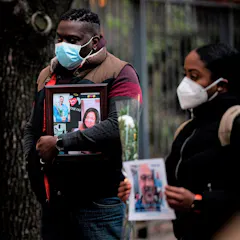
Why one city suffers significantly more deaths than another isn’t always obvious. A simple experiment shows how failing to consider certain factors can point policy makers in the wrong direction.
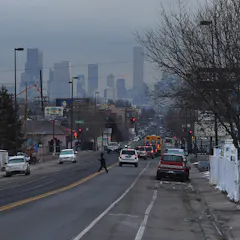
Neighborhood characteristics like pollution from busy roads, widespread public transit use and lack of community-based health care are putting certain communities at greater risk from COVID-19.
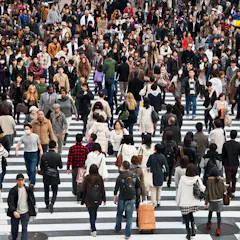
It is easy for people in the industrialised world to blame population growth elsewhere for environmental damage. But increased consumption is just as important – if more confronting.
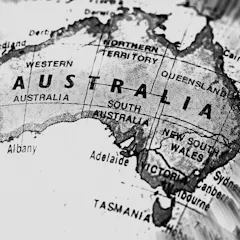
Labor’s immigration spokesperson Kristina Keneally says immigration has “hurt many Australian workers”. The evidence suggests it hasn’t.

Cellphone data can show who coronavirus patients interacted with, which can help isolate infected people before they feel ill. But how digital contact tracing is implemented matters.
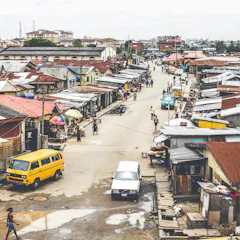
Lagos poses a set of particular challenges when it comes to making interventions work.

Countries have been trying to count their populations since the Han dynasty in China.
Top contributors
-

Demographer, POLIS Centre for Social Policy Research, Australian National University
-
Gilles Pison is a Friend of The Conversation.
Anthropologue et démographe, professeur émérite, Muséum national d’histoire naturelle (MNHN); Ined (Institut national d'études démographiques)
-
Professor of Demography and Social Statistics., Obafemi Awolowo University
-
Honorary Professor of Demography, Macquarie University
-
Principal Research Fellow, Charles Darwin University
-
Professorial Fellow, University of Canberra
-
Senior Research Fellow, Centre of Policy Studies, Victoria University
-
Partner Investigator, ARC Centre of Excellence for Indigenous and Environmental Histories and Futures, James Cook University
-
Distinguished Professor of Sociology and Demography, Penn State
-
Adjunct Associate Professor, University of Tasmania
-
Visiting Fellow, Crawford School of Public Policy, Australian National University
-
Associate professor, University of Ibadan
-
ARC Australian Professorial Fellow, Adelaide University
-
Adjunct professor, School of Media and Communications, RMIT University
-
Director of the Complex Adaptive Systems Research Group, University of Newcastle