
Have we become trapped in thinking that better politics is just a technical fix away?
Articles on Political polling
Displaying 1 - 20 of 29 articles
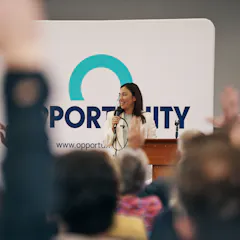
TOP’s positive polling is fuelling media speculation about its electoral prospects. Can it finally get over the line? And what might happen if it does?
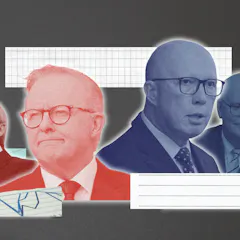
There’s a popular belief that a good leader will win an election for their party, while a bad one will lose it. The numbers show this isn’t necessarily true.
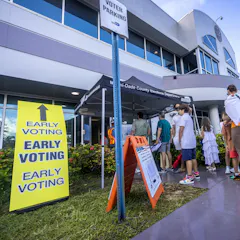
The vagaries of polling – and, most of all, the vagaries of the US electoral system – mean there is little point attempting to read the tea leaves beyond the broad public sentiment polling captures.
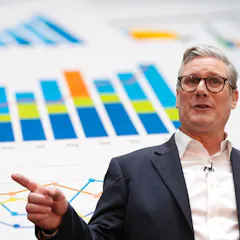
These so-called ‘mega polls’ all give Labour massive majorities – but all of different sizes. What’s going on?
What does someone like me, who believes that the last presidential election was legitimately won by Joe Biden, say to those who think the 2020 election was stolen?
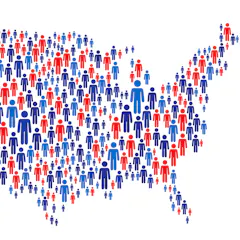
There are many ways bad mathematics interferes with our democracy. Assigning delegates is just one example.

Imprecision in election polling has long been recognized. But advance polls are still useful in recognizing trends in voter preferences, and candidates’ weak points.
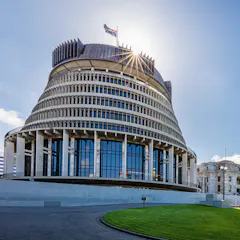
New Zealand’s proportional electoral system makes coalition governments all but inevitable. Ahead of the October 14 election, the jockeying for power is all on the right.
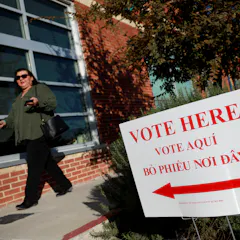
A task force of polling experts found surveys notably understated support for Donald Trump, both nationally and at the state level. Here’s what may have gone wrong, according to a polling historian.
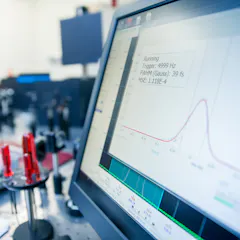
Whether you are predicting the outcome of an election or studying how effective a new drug is, there will always be some uncertainty. A margin of error is how statisticians measure that uncertainty.

People know a lot about their friends and neighbors – and pollsters can learn from that information, if they ask.
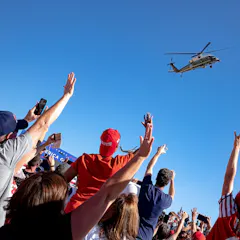
Polling shows Joe Biden with a large lead over Donald Trump nationally in the presidential race. But there are many ways that presidential race polling has gone wrong in the past, and could do so now.
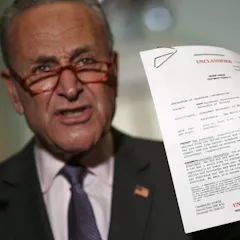
Members of Congress factor what the public thinks into their decisions. But it’s difficult to measure what the public is really thinking.
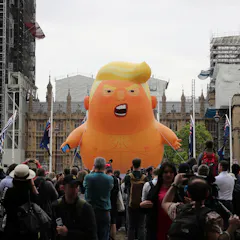
Approval ratings are usually a good way to predict the winner of the next presidential election. But Trump’s numbers fall far outside any historical trends.

You could compare election opinion polls to penalty shoot-outs at a World Cup final: there’s huge pressure to get it right and we remember the big misses most of all.
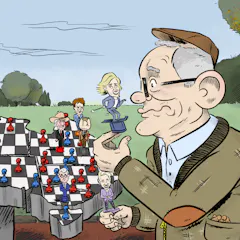
The Tasmanian seats of Bass and Braddon were always going to be key elements of a Coalition victory – and so it proved to be.
More than 1,000 Nebraskans were asked about laws that protect business owners who refuse to serve gays or lesbians. People on either side of the issue made appeals to rights, freedom and capitalism.
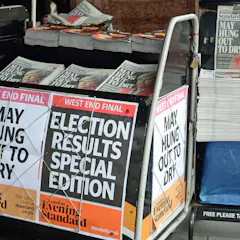
Hitting a moving target is hard, and young people don’t always do what’s expected.

Polling is difficult – and everyone except pollsters overestimates how accurate polls are.
Top contributors
-

Professor Emeritus of Communication, American University School of Communication
-
Professor of Information and Knowledge Management, Loughborough University
-
Professor of Statistics and Probability, University of Sussex
-
Associate Professor of Sociology, University of Nebraska-Lincoln
-
Associate Professor of Sociology and Women's and Gender Studies, University of Nebraska-Lincoln
-
Professor of Politics, University of Strathclyde and Senior Research Fellow, National Centre for Social Research
-
Professor of Communication and Journalism, Texas A&M University
-
Lecturer in Information Management, Loughborough University
-
Reader in Theory of Probability, University of Sussex
-
Professor, School of Biosciences & School of Historical and Philosophical Studies, The University of Melbourne
-
Professor of Research Methodology, Director of National Centre for Research Methods, University of Southampton
-
Professor of Politics, Te Kunenga ki Pūrehuroa – Massey University
-
Professor, Department of Government, University of Essex
-
Professor of Political Science and Public Policy, University of Southampton
-
Postdoctoral Research Fellow, Inter-disciplinary Conservation (ICON) Science Research Group, RMIT University