
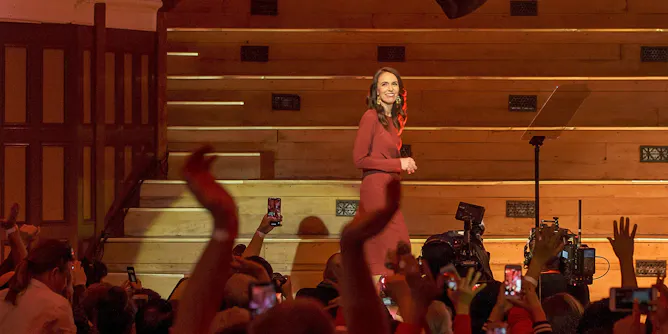
Leaders need to focus on minimizing the COVID-19 harm to both lives and livelihoods if they’re to win support from the electorate.
Articles on Political leadership
Displaying 41 - 60 of 87 articles

Research and a recent campaign rally show how political leaders’ rhetoric can shape risk perceptions among their loyal followers.

States have been experimenting with more targeted approaches to slow the coronavirus’s spread. Two strategies stand out.
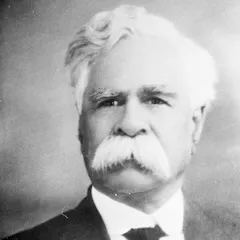
William Cooper was in his 70s when he began a remarkable political campaign, pushing for Indigenous rights and recognition.
The gap between the continent’s most democratic and authoritarian regions is likely to continue to grow.
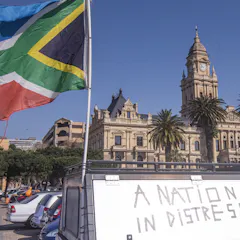
The government was initially praised for its handling of the COVID-19 pandemic but powerful interests could now be pushing its containment plans off course
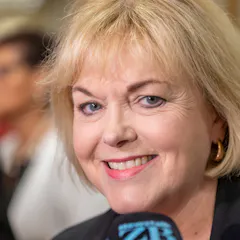
A desperate opposition turns to a divisive but determined veteran to rescue its fortunes. But will her old-school politics be enough to combat the ‘Jacinda effect’?
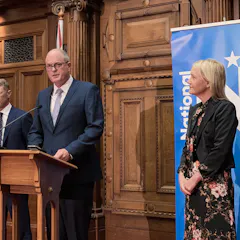
This morning the National Party’s new leader of just 53 days, Todd Muller, shocked everyone by resigning his position – ten weeks before facing off against Jacinda Ardern in the NZ election.

New research shows that, contrary to popular belief, young people are anxious about the impact of coronavirus on their own lives and on their communities.
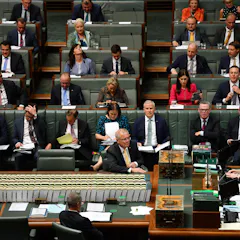
Self-belief is an obvious given for anyone aspiring to political leadership. But there are ten other qualities that distinguish the most successful leaders from the rest.

Some lessons from leadership theory for anyone aspiring to sit on the Iron Throne.
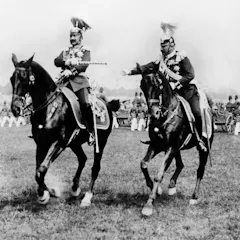
A toxic mix of wishful thinking, brinksmanship, finger-pointing, and fatalism in July 1914 bear similarities to Brexit.

Sierra Leone has declared a national emergency to combat rape and sexual violence.
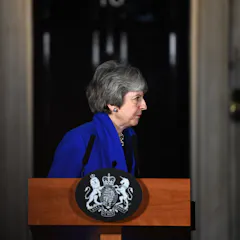
Faced with an intractable problem, bravery is needed. Instead, the only thing on offer is playground politics.

New research shows that female politicians spend more on health and education, improving the well-being of a population.

Despite a relatively slow start, South Africa can speed up its implementation of the SDGs.
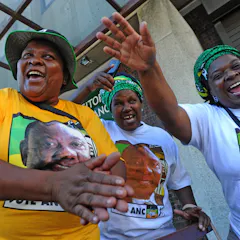
The problem with South Africa’s governing ANC, is that to many of its members, politics is not about public service but about resources.
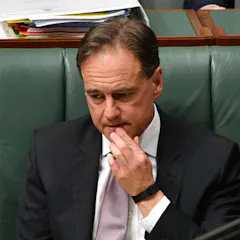
The voters are like sniffer dogs when it comes to character – if that hadn’t been the case Mark Latham might have won the 2004 election.
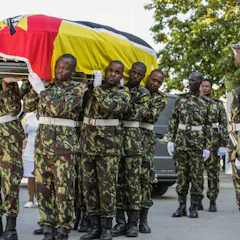
The death of Mozambican opposition leader Alfonso Dhlakama could affect the progress made to end hostilities in the country.
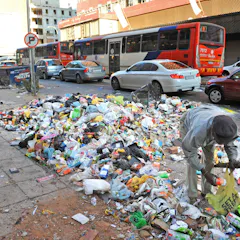
Littering in protest is indicative of a discordant society, and a culture of littering can tell us a lot about a society’s ethos.
Top contributors
-

Research Associate, Public Policy Institute, University of Auckland, Waipapa Taumata Rau
-
Associate Professor, School of Management and Marketing Te Kahui Kahurangi, Te Kunenga ki Pūrehuroa – Massey University
-
Professorial Fellow, University of Canberra
-
Professor of Politics, Te Kunenga ki Pūrehuroa – Massey University
-
Visiting Professor of Management Practice, Bayes Business School, City St George's, University of London
-
Professor of History and Politics, School of Humanities and Social Inquiry, University of Wollongong
-
Associate Professor of Public Policy, Australian National University
-
Professor of African history, Queen's University Belfast
-
Emeritus Professor of Politics, La Trobe University
-
Associate Professor of Leadership, Swinburne University of Technology
-
Professor of Politics, Griffith University
-
Associate Professor in Management, Swinburne University of Technology
-
Director, Vice-Chancellor's Centre of Public Ideas (CoPI) and Donald Horne Professor of History and Public Ideas, University of Canberra
-
Emeritus Professor of International Relations, La Trobe University
-
Senior Lecturer, School of Political and Social Inquiry, Monash University