
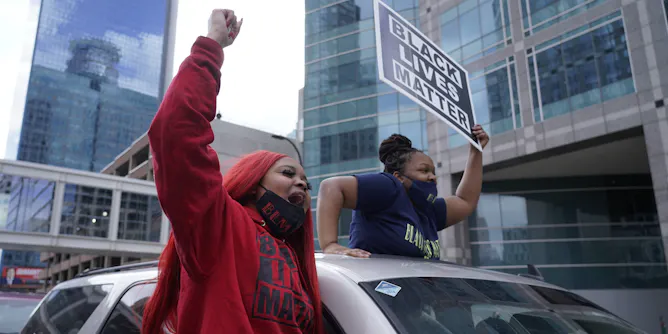
In the wake of the conviction of the police officer who killed George Floyd, recent court decisions against what’s known as “qualified immunity” are promising.
Articles on Policing
Displaying 161 - 180 of 376 articles
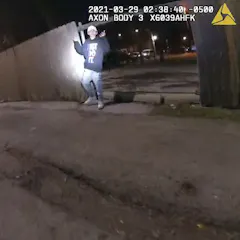
In the aftermath of Adam Toledo’s death, police and a prosecutor framed the incident as a confrontation with an armed male holding a gun. Should reporters have been so quick to accept that version?
A lack of emotional support within the police is leading to PTSD and burnout.

From his positions at the United Nations, Professor Heyns made a huge impact on the protection of the right to life and the right of peaceful assembly.
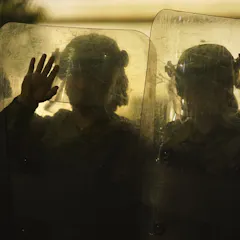
We need to clarify the role of the police, to promote a more justice-oriented style of police leadership and to put in place long-term mechanisms of accountability to support and sustain change.
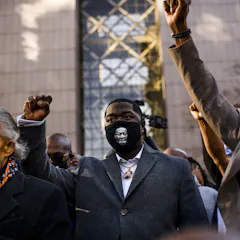
Research on racism and policing in the US, explained by the experts who study it.
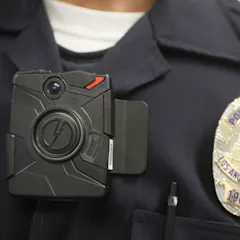
Nonwhites were less willing to wait for an internal investigation to wrap up before seeing the footage.
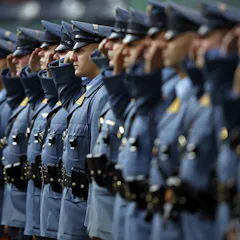
Racism was an early hallmark of the New Jersey State Police, and remains challenging for police agencies in the 21st century.
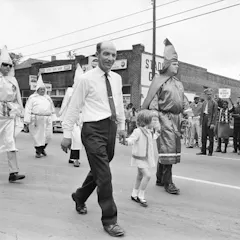
If history is a guide, expanding police powers to address current white nationalist threats could result in future repression of activists of color.

Recent political arguments about policing methods aren’t supported by the evidence: New Zealand crime rates are static, and even declining in some categories.
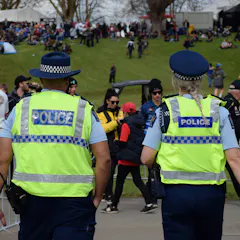
Simon Bridges’s attack on New Zealand’s ‘wokester’ police commissioner might work as politics, but it fails to grasp the nature of policing in an open society.

With the community, the group of theatre-makers and academics created a play that could also serve as a policy brief on what’s missing from the battle to reduce drug use in Durban.
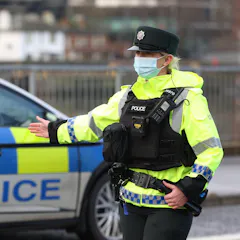
The different responses to group gatherings among unionist and republican communities has caused upset.
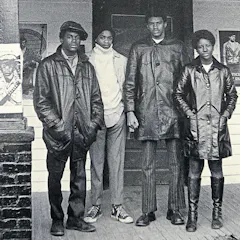
In the early hours of Feb. 10, 1971, heavily armed officers moved in on a house occupied by Black Panther activists – marking a policing trajectory toward a more militarized response to Black activism.
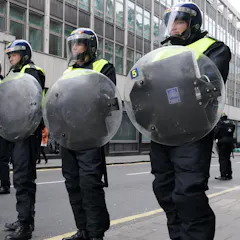
Police forces need to negotiate with communities to win back trust or risk getting trapped in a cycle of violence.
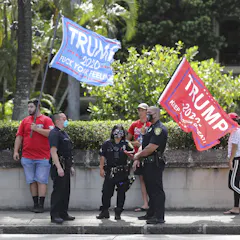
Police organizations in the United States have become political players in the election. This is due to politicians’ responses to the Black Lives Matter and anti-police brutality movements.
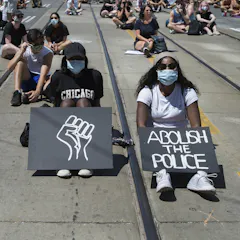
Reforming the police is possible, but it depends on applying pressure on politicians.
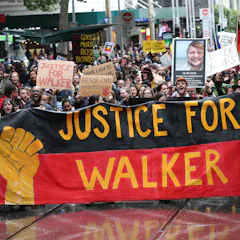
Warlpiri people in Yuendumu have been strident in their demands for justice for Walker and protections from ongoing police violence.
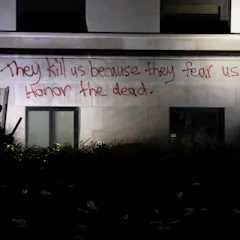
Other agencies or officials can do much of what police do now. So let’s disband police forces and replace them with local community organizations.
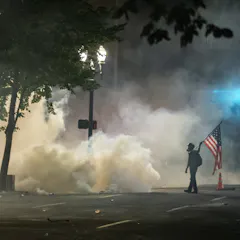
Kenosha is the latest US city to see federal agents patrolling its protests. History suggests that supplanting the local police with a militarized national force rarely works out well.
Top contributors
-

Associate Professor in Criminal Justice and Criminology, Bond University
-
Professor of Law, University of Technology Sydney
-
Assistant Professor of Criminal Justice and Criminology, Georgia State University
-
Emeritus Professor in Law and Criminal Justice, Adelaide University
-
Senior Lecturer in Law, UNSW
-
Associate Professor, UNSW
-
Assistant Professor, Augusta University
-
Professor (Practice), Faculty of Business and Economics, Monash University
-
Professor Emerita of Criminology, UNSW
-
PhD Candidate in Social Work and Criminology, UNSW
-
Professor, Sociology, University of Alberta
-
Professor of Criminology, University of Leeds
-
Eleanor Rathbone Chair of Sociology, University of Liverpool
-
Assistant Professor of Criminology and Criminal Justice, University of South Carolina
-
Associate Professor in Law, University of Canterbury