
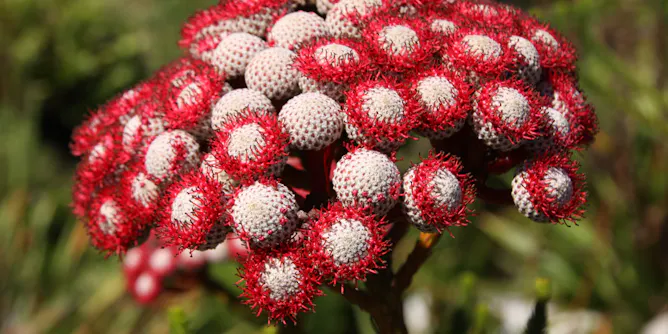
There is good news for plant conservation in South Africa and internationally.
Articles on Plants
Displaying 321 - 340 of 434 articles
Sandpaper figs are the swiss army knife of Australian flora.
The Bunya pine is a unique and majestic Australian tree that commands respect.
The medicinal plants that chimpanzees feed on in the wild could hold the key in dealing with common diseases.
Trees evolved many times around the world.

That pre-sleep herbal tea may be doing many people a lot of good.
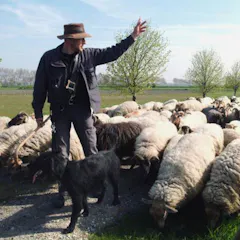
Humans have long been trying differentiate themselves from the rest of the biological world. Is it because we’re superior, or just insecure?
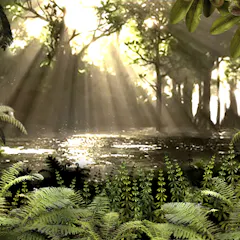
Plants, in their fossil forms, can reveal a great deal about past environments and climates.
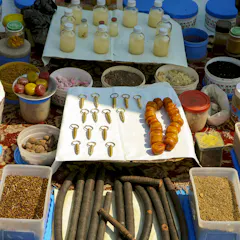
Numerous traditional African medicines are undeniably beneficial in treating disease or maintaining good health.

This is an article from Curious Kids, a series for children. The Conversation is asking kids to send in questions they’d like an expert to answer. All questions are welcome – serious, weird or wacky! Why…

Congress is moving to cut back the Endangered Species Act and give more power to states. But a recent study shows that state laws are weaker and states have few resources to protect species at risk.
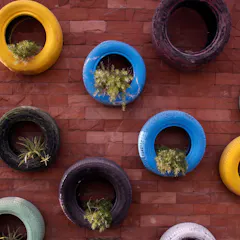
Most modern offices contain a surprising amount of harsh chemicals. If you’re heading back to work, check out our list of the best plants to clean the air (and reduce stress).
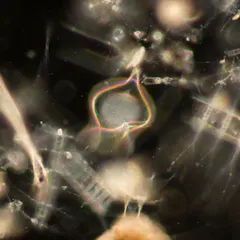
Diatoms’ tricks may offer new insights that keep solar cell energy running efficiently and robustly throughout their processes.

Precisely calibrated timekeepers are found in organisms from all domains of life. Biologists are studying how they influence plant/pathogen interactions – what they learn could lead to human medicines.

Ferns came along more than 200 million years before the dinosaurs walked the Earth. They were food for plant-eating dinosaurs and they’re really great survivors. Heather, age 8, wants to know more.
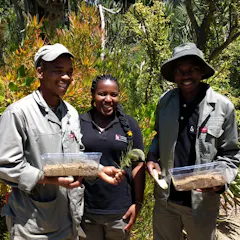
Humans - the very “carriers” who can spread dangerous microbes unthinkingly from their equipment and shoes - can instead become the first line of defence against a possible microscopic invasion.

Pollination in South Africa’s ecosystems is extremely complex. However new advances such as pollen metabarcoding help us understand interactions between pollinators and pollen.
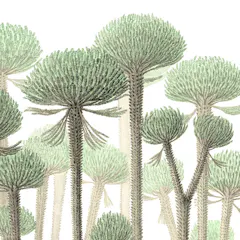
Cladoxylopsid trees were hugely complex and very different to those we have now.
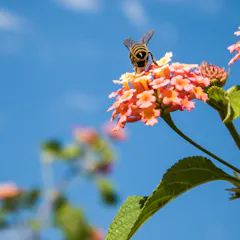
New research shows bees see a blue halo around flowers thanks to nanostructures on its petals.

If you want to live on Mars, you’re going to need to grow food. Seeds are naturally equipped to handle challenging Earth environments, but how well can they survive what they’ll encounter off-planet?
Top contributors
-

Senior Research Associate, School of Agriculture, Food and Ecosystem Sciences, The University of Melbourne
-
Emeritus Fellow in Plant Biochemistry, University of Westminster
-
Chief Research Scientist, CSIRO Environment; Executive Director, Global Carbon Project, CSIRO
-
Associate Head of Research and Knowledge Exchange - Reader in Plant Science, Edge Hill University
-
Assistant Professor of Plant Evolutionary Biology, University of Tennessee
-
Glasstone Research Fellow, Plant Science, University of Oxford
-
Research Scientist in Biodiversity and Human Health, Edith Cowan University
-
Associate Professor in Entomology, University of Sydney
-
Lecturer and Researcher in Plant Humanities, UNSW
-
Plant Evolutionary Biologist, University of Edinburgh
-
Lecturer in Evolutionary Biology, University of Reading
-
Vice President of Academic Affairs and Dean of the College, Grinnell College
-
Senior Lecturer in Horticulture, Nottingham Trent University
-
Associate Professor in Biophysics, University of Pretoria
-
PhD, University of Tasmania