

About two-thirds of students admit to plagiarizing material. Faculty are expected to know better, but they do it, too. How should universities respond?
Articles on Plagiarism
Displaying 21 - 40 of 60 articles
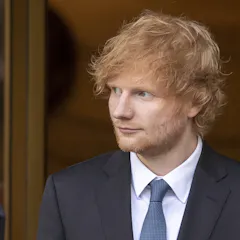
A US court has ruled Ed Sheeran isn’t guilty of plagiarism. The ruling supports the rights of musical artists to build from the artists who came before them.
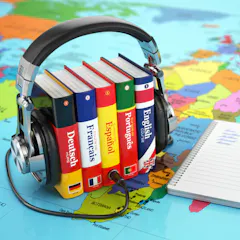
The number of students studying languages in UK universities has plummeted in recent years but some creative thinking may help to reverse that trend.

Students could learn about critical thinking, writing and the broader role of artificial intelligence tools like chatbots.
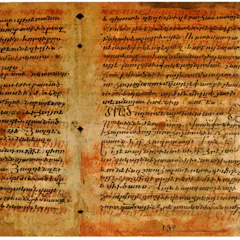
Plagiarism can feel like a personal deception, but there is something tragic about it too.

Educators need to carefully consider ChatGPT and issues of academic integrity to move toward an assessment system that leverages AI tools.
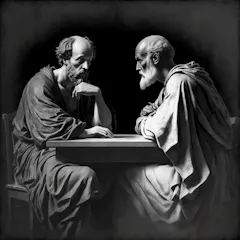
The rise of AI chatbots provides an opportunity to expand the ways we do philosophy and research, and how we engage in intellectual discourse.

Buys, the award-winning novel by Willem Anker, uses lines without credit from the Irish writer - not the first such literary controversy it has raised.
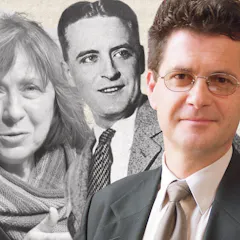
The freedoms of fiction do not absolve the author of the need to reference when lifting passages of work from others.
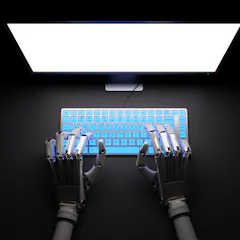
What’s judged to be plagiarism may shift as students rely on more sophisticated forms of technology for writing support.
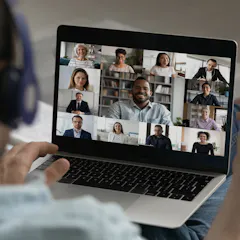
Open-educational resources are critical for increasing global learners’ access to education during COVID-19 and beyond. Blockchain technology can address concerns about plagiarism in resources.
There’s no mystery about how to improve your grades. The same steps apply to all assignments to ensure the work you produce is as good as it can be.
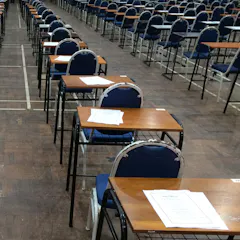
Many countries monitor higher education at the federal level, partly to take a systemic approach to overseeing academic integrity. Why not Canada?
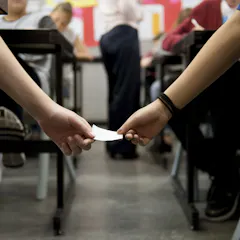
What is cheating? Sometimes, teachers and academics disagree on exactly what constitutes academic misconduct, but getting someone to proofread your work is generally considered fine.
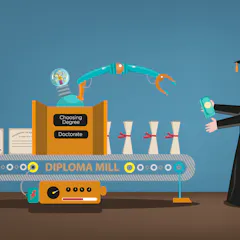
Several world leaders, including Vladimir Putin, stand accused of plagiarizing their PhD dissertations. Whether they resign, deny or ignore the allegations says a lot about the country they run.
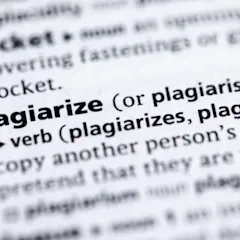
These programmes allow institutions to claim they’re doing something without really tackling the issues that lead students to plagiarise.
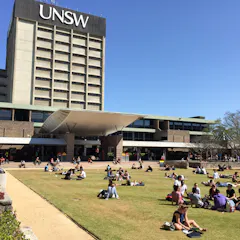
Students need to be able to manage their time, write to an academic standard, be aware of what constitutes plagiarism, make sure they know what support services are available to them, and have fun!

If we view tertiary education as a commodity rather than an enlightening pursuit, practices such as essay buying will become more common.
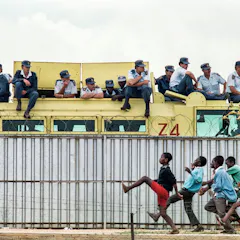
Acknowledging the source of the images would amplify rather than diminish the power of Hank Willis Thomas’s political art.

How can a band so slavishly derivative – and sometimes downright plagiaristic – be also considered radically innovative and influential?
Top contributors
-

Professor of Higher Education, Rhodes University, South Africa, Rhodes University
-
Professor and Research Chair, Werklund School of Education, University of Calgary
-
Associate Professor, School of Biomedical Engineering, University of Technology Sydney
-
Roger J. Kreuz is a Friend of The Conversation.
Associate Dean and Feinstone Interdisciplinary Research Professor, University of Memphis
-
Lecturer, University of Johannesburg
-
Associate Lecturer in English and Writing, University of Sydney
-
Professor of Management, University of Johannesburg
-
Senior lecturer, Queen's University Belfast
-
Deputy Vice-Chancellor and Vice-President (Education and Students), University of Technology Sydney
-
Senior Educational Designer, Monash University
-
Associate Director Student Experience, Monash University
-
Lecturer, Learning Centre, University of Sydney
-
Senior Lecturer, Learning Programs, Development and Innovation, Deakin University
-
Associate Professor, School of Law, University of East Anglia
-
Professor and Co-Director, Centre for Research in Assessment and Digital Learning, Deakin University