

Drinking alcohol with some medicine means they may not work so well. With others, you risk a life-threatening overdose.
Articles on Pharmacology
Displaying 21 - 40 of 71 articles
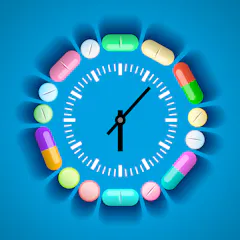
There is a best time to take your medications, but your doctor may not know when that is. Researchers are still figuring it out, one drug at a time.

The combination of codeine and ibuprofen is considered safe by many consumers, but inappropriate use can lead to health problems.
Despite technological advancements, many challenges remain in getting a drug from lab to pharmacy shelf. Reframing what is a “medicine” could expand treatment options for researchers and patients.
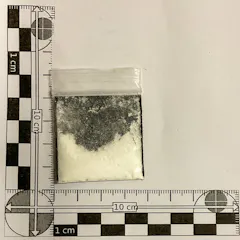
What happens when drug testing experts come across a substance they have never seen before?

Do you know zoopharmacognosy is? Some animals use trees to treat themselves.
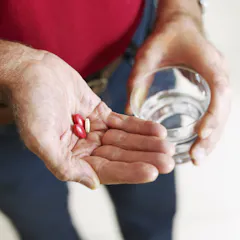
Sometimes, it’s best to take your medicine sitting up. Other times, lying down is safer. Here’s what we know so far.
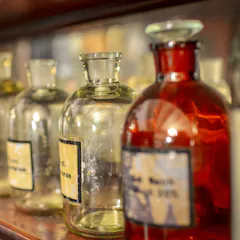
Each of these five drugs have brought some incredible benefits. But they’ve usually also come with a legacy of complications.

Believe it or not, medication names are intended to be easy to remember and descriptive of the function they serve in the body.

Thousands of plant species are used in African traditional medicine. Extracts from some of these plants are part of important pharmaceutical drugs.
From tablets and patches to ointments and infusions, the best way to deliver a drug is the one that gets the right amount to the right place.
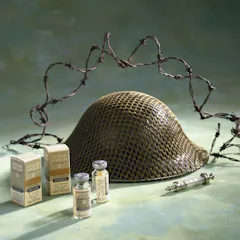
Albert Alexander was the first known person treated with penicillin. While his ultimately fatal case is well known in medical histories, the cause of his illness has been misattributed for decades.
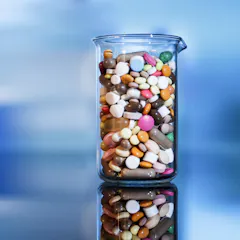
Drug manufacturers often shun the use of placebos in clinical trials. But research suggests that placebos could play an important role in the treatment of depression, pain and other maladies.
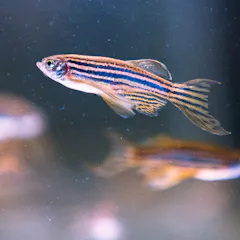
Zebrafish are ideal for drug discovery especially in the context of neurological and inflammatory conditions.
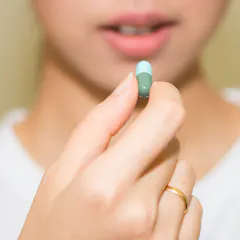
It’s early days yet. But here’s what we know so far.

We’ve made a few mistakes in the past two years, when it comes to developing COVID drugs. Some were obvious and could have easily been avoided.

They’re calling for advice before using bleach or disinfectant. Or they’re calling to ask about side-effects after gargling, spraying or bathing in them. It’s a worry.

The discovery has boosted the pharmaceutical industry and made research greener and cheaper.
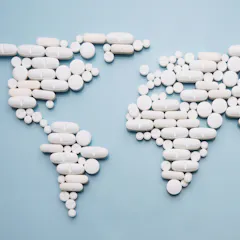
The path to using old drugs for COVID is full of potholes. So why are we using the same old flawed methods when we actually know what works?
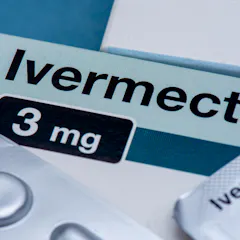
Side-effects for this unproven and potentially dangerous treatment range from vomiting and diarrhoea to seizures and a coma.
Top contributors
-

Professor of Pharmaceutical Chemistry, Macquarie University
-
University of Sydney
-
Professor Emeritus of Chemical and Biological Engineering, Biomedical Engineering, and Public Health, Colorado State University
-
Professor of Medicine and Chair of Clinical Pharmacology, University of Newcastle
-
Conjoint Associate Professor in Clinical Pharmacology and Toxicology, St Vincent’s Healthcare Clinical Campus, UNSW
-
Assistant Professor of History, University at Buffalo
-
Distinguished Professor of Pharmacy Practice, University of Connecticut
-
Director and Taylor Family Chair, Centre for the Business & Economics of Health, The University of Queensland
-
Emeritus Professor, Adelaide University
-
Associate Professor of Pharmacology, University of Sydney
-
Lecturer - Women's Health; Pharmacology, School of Biomedical Sciences, The University of Western Australia
-
Professor of Pharmaceutical Sciences, University of Colorado Anschutz
-
Associate Lecturer, Sydney Pharmacy School, University of Sydney
-
Professor and Clinical Psychologist, Michael Crouch Chair in Child and Youth Mental Health, University of Sydney
-
Honorary Senior Research Fellow, University of Oxford