

Some commercial products and practices are directly linked to avoidable ill health, planetary damage, and social and health inequity. Large transnational corporations are especially to blame.
Articles on Pharmaceutical industry
Displaying 21 - 40 of 68 articles

The pharma industry claims lower prescription drug prices will mean less access to new medication for Canadians. It’s an old threat that pits profits against patients’ rights to affordable drugs.

An 18-month treatment with lecanemab slows functional and cognitive loss by 27 per cent in people with mild Alzheimer’s disease. But this is only the first step towards a real cure.

Waiving patent rights on COVID-19 vaccines and drugs is still crucial to ensure access globally, but the waiver on the table at the June World Trade Organization meeting doesn’t do the job.

Changes to Canada’s Patented Medicine Prices Review Board regulations have been postponed for a fourth time in two years as Canadians continue to pay some of the highest drug prices in the world.

When drugs are taken off the market because they are either unsafe or don’t work, do pharma companies admit that there are problems? Or do they deny the evidence?

If no action is taken to address antibiotic resistance, infections from multidrug-resistant bacteria could cause 10 million deaths each year by 2050.

New payment models may mean more of the people who need these treatments can get them.

The COVID pandemic is giving drug companies an opportunity to reset their image. So how did they get so big and their credibility sink so low?

If Big Pharma wants to achieve the ultimate image makeover, it must capitalize on the current public good will about its COVID-19 vaccines by prioritizing socially responsible practices.
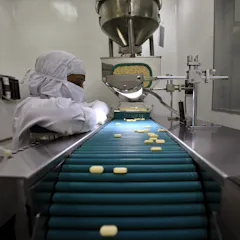
COVID-19 has exacerbated a backlog of domestic and foreign drug manufacturing inspections that the FDA is still too short-staffed to adequately deal with.

Waiver talks might convince companies to focus on technology transfer and training, and let go of the plan to maximise patent-based revenues.
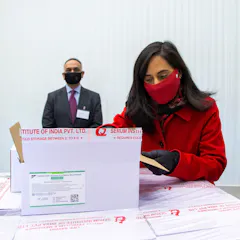
Despite some public virtue signalling, the Canadian government is not doing all it can to improve global access to COVID-19 vaccines. Canada has yet to announce its position on the WTO patent waiver.

A vaccination queue-jumping scandal in Peru has caused a massive uproar in the South American country. It could also be a wake-up call for all nations.

‘Orphan drugs’ with high price points are being tested as treatments for COVID-19. There’s a better way to spur low-cost innovation for new drugs.

A private market should have no place in the rollout of a COVID vaccine.

The funding, procurement, storage and distribution of a vaccine present huge challenges to all governments, including New Zealand’s.

Patients have a stake in the relationship between doctors and pharmaceutical companies, so the CMA’s current review of its guidelines for doctor/pharma interactions is everybody’s business.

Medical innovation is often accelerated in a time of crisis.
Health Canada devotes far more resources to getting new drugs onto the market compared to making sure that drugs already being sold are safe.
Top contributors
-

Associate professor, Department of Family and Community Medicine, University of Toronto; York University, Canada; University of Sydney
-
Professor in Pharmaceutical Policy, School of Pharmacy and Charles Perkins Centre, University of Sydney
-
Senior Research Manager, University of Sydney and Honorary Assistant Professor, Bond University
-
Distinguished Professor of Pharmacy Practice, University of Connecticut
-
Professor of Philosophy, Binghamton University, State University of New York
-
Professor, School of Population and Public Health, University of British Columbia
-
Associate Professor in Psychological Medicine, University of Auckland, Waipapa Taumata Rau
-
Graduate Student, University of Manitoba
-
Associate Professor & Chair of Eco-Entrepreneurship, McMaster University
-
Professor and Head, Division of Clinical Pharmacology, Faculty of Medicine and Health Sciences, Stellenbosch University
-
Professor of Health Economics, Flinders University
-
Research Assistant Professor of Pharmacy, University of Washington
-
Professor of Chemistry, Northeastern University
-
Associate Professor in Pharmacology, Flinders University
-
Honorary Research Fellow, University of Bath