
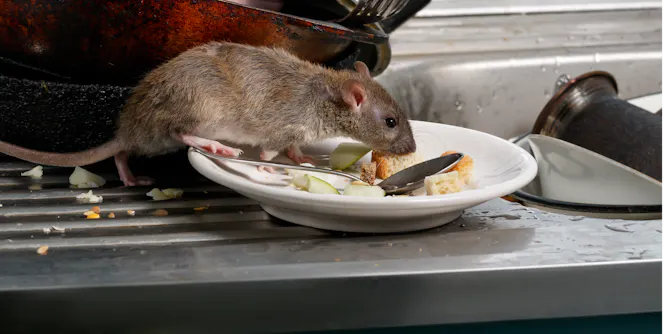
With temperatures plunging, rodents have started seeking the warmth and food inside our houses. Here’s how to deal with them effectively and humanely – without accidentally catching native animals.
Articles on Pests
Displaying 21 - 40 of 79 articles

New research finds 74% of land managers who reported releasing a powerful biocontrol release it during the peak rabbit breeding period. This can lead to rabbit populations actually increasing.

Once the larvae turn into adult moths, they never eat again.

While some invasive animals have breached Antarctica, the continent is still pristine. Our challenge is keeping it that way.

Rabbits destroy huge numbers of critical regenerating seedlings over more than half the continent. This has devastating flow-on effects for the rest of the ecosystem. So how do we control them?

Inserting electrodes into insects helps scientists understand what attracts these insects – and, stemming from that, how to trap them and protect crops.
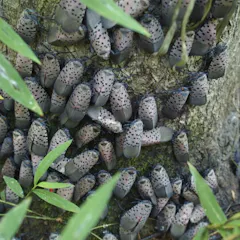
The spotted lanternfly, native to Asia, is spreading fast since arriving in the United States seven years ago. An entomologist explains why this is a big problem.
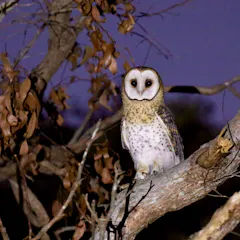
The NSW government has secured an extremely toxic bait to try to end the mouse plague. But there are safer alternatives.

Imagine constantly living with mice. When you go to sleep they run across your bed, the stench of dead mice fills the street. As an expert on mouse outbreaks, let’s look at the issue in more detail.

People love to connect with nature and that’s possible with vertical gardens on high-rise developments. But gardens need a gardener to keep things under control.
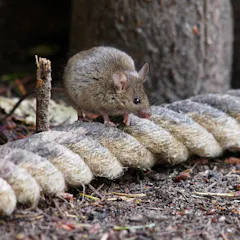
If all, or even most, offspring of the survivors are shy, we could be facing an introduced pest population that is incredibly difficult to remove.
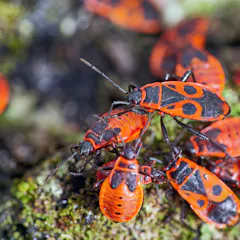
Entomologists worried about invasive pests have thousands of curious community scientists posting their findings online — and identifying new species.
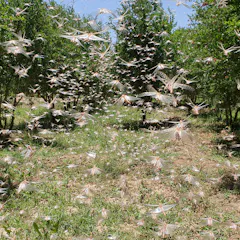
A swarm of roughly 40 million desert locusts can eat the same amount of food in one day as about 35,000 people.
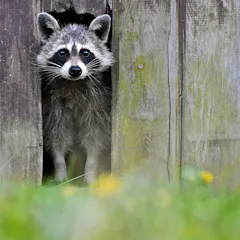
Pests can cause sudden and significant damage to homegrown food, but a little planning and intervention can help you cut your losses.
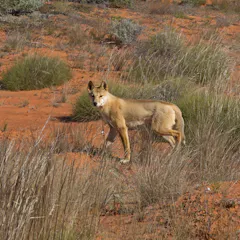
Aerial baiting has been Australia’s foremost weapon against pest species for the past 74 years. But at what cost?

Insects are essential to the functioning of land and freshwater ecosystems but species populations are being lost at a rapid rate globally.
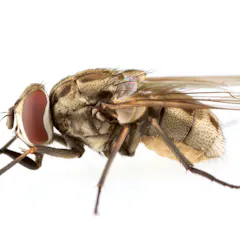
Savvy female stable flies prefer to lay their eggs on donkey and sheep dung. Knowing where they choose to do this will help us manage disease.
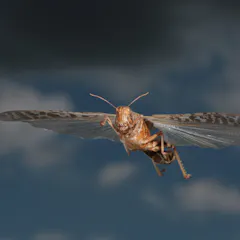
Countries should promote alternatives to pesticides and more carefully examine how to prevent insect invasions in the first place

If harm to native wildlife is the main concern then there are much bigger targets for control than grey squirrels.
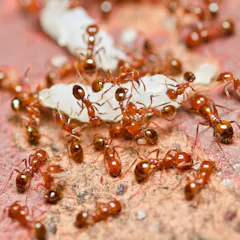
Millions of dollars are being spent on trying to eradicate fire ants from Australia. But that might not be the only way to deal with the invasive pest.
Top contributors
-

Associate Professor, Department of Entomology; African-American Studies, University of Illinois Urbana-Champaign
-
Associate Professor in Wildlife Conservation, Edith Cowan University
-
Former Postdoctoral Research Associate
-
Professor of Conservation Biology, School of Life and Environmental Sciences, University of Sydney
-
Assistant Professor, Faculty of Agriculture, Dalhousie University
-
Associate Professor of Applied Entomology, The University of Western Australia
-
Associate Professor, University of Pretoria
-
Associate Professor, Ecology, Northumbria University, Newcastle
-
Science Director, Biosecurity Flagship, CSIRO
-
Adjunct Fellow in Ecology, Adelaide University
-
Professor of Aquatic Biosciences, Nord University
-
Professorial Fellow, ARC Centre of Excellence for Coral Reef Studies, James Cook University
-
Professor of Ecology and Entomology, Te Herenga Waka — Victoria University of Wellington
-
Professor of Microbial Ecology, Royal Holloway, University of London
-
Research fellow, Environmental Futures Research Institute, Griffith University; Estación Biológica de Doñana (EBD-CSIC)