
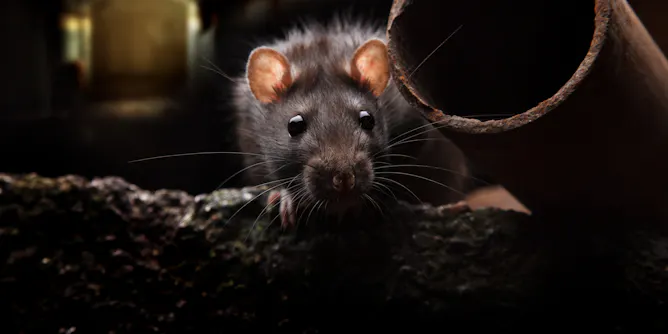
Genetic analysis shows that urban rats prefer to stay near their relatives; however, some of them migrate. Knowing this could help with pest control efforts.
Articles on Pests
Displaying 41 - 60 of 79 articles
Invasive pest ants cause billions of dollars worth of damage to crops, and threaten some of Australia’s World Heritage rainforests. The federal budget has pledged nearly $30m on wiping them out – but how?

A barrier just 50km wide might stop water-reliant cane toads in their tracks.

By finding out more about the cat flea, researchers could maybe identify better pest control measures.

A tree-killing beetle has invaded South Africa. This is what should be done.

According to experts, ladybirds are no more dangerous than they were before.
An AC/DC-loving biologist tests the band’s 1980 assertion that “rock ‘n’ roll ain’t noise pollution.” Turns out it can be – and the negative effects of noise can ripple through an ecosystem.
Aphids often appear in swarms around May and June but what risk do they pose to plants?
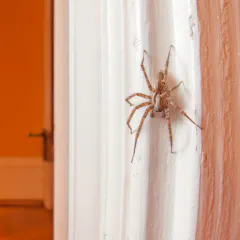
Why you should consider a live-and-let-live policy with the spiders you encounter in your home.
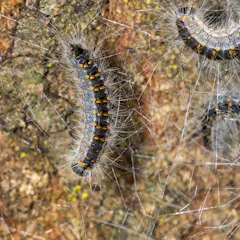
The oak processionary moth established itself in the UK a decade ago, ahead of the parasitoids that would normally keep its numbers in check.
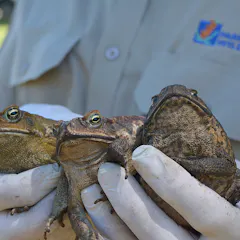
New cane toad traps that carefully imitate mating males successfully target breeding females. Males, meanwhile, will turn up for anything that sounds remotely like a toad.

The beetle and the fungus have devastated trees in California in the US as well as in Israel. Now they’re in South Africa.
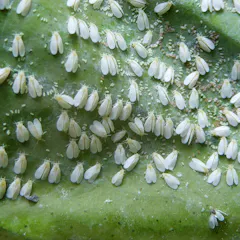
Crop losses in African countries due to insect pests are estimated at 49%. However, with some species losses can climb up to 100%.
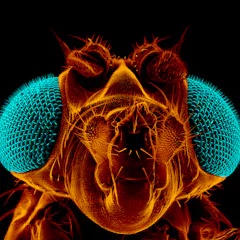
How do you rid your kitchen of pesky
fruit flies? A scientist who researches them explains.
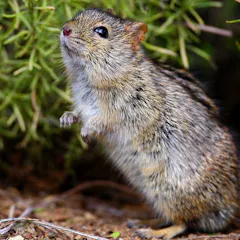
Agricultural pests are one of the key factors affecting small holder farmer production. Focus is normally put on invertebrate pests, but rodents can do severe damage to crops as well.
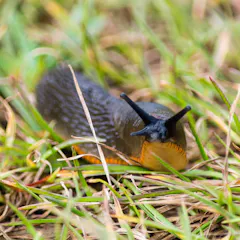
Super-fertile slugs from the continent have bred with their cousins in the UK.

What’s the answer? Fight or flight?
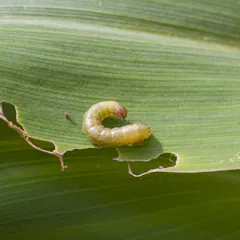
Fall armyworms have a number of characteristics that make them particularly hard to control. They are strong fliers, can breed at a high rate and also develop quick resistance to pesticides.
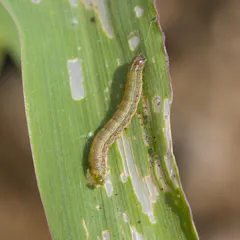
A combination of armyworms native to Africa and those normally found in the Americas are ravaging crops in sub-Saharan Africa.
Bigger gardens and more greenery encourages insect diversity, some of which finds its way indoors.
Top contributors
-

Associate Professor, Department of Entomology; African-American Studies, University of Illinois Urbana-Champaign
-
Associate Professor in Wildlife Conservation, Edith Cowan University
-
Former Postdoctoral Research Associate
-
Professor of Conservation Biology, School of Life and Environmental Sciences, University of Sydney
-
Assistant Professor, Faculty of Agriculture, Dalhousie University
-
Associate Professor of Applied Entomology, The University of Western Australia
-
Associate Professor, University of Pretoria
-
Associate Professor, Ecology, Northumbria University, Newcastle
-
Science Director, Biosecurity Flagship, CSIRO
-
Adjunct Fellow in Ecology, Adelaide University
-
Professor of Aquatic Biosciences, Nord University
-
Professorial Fellow, ARC Centre of Excellence for Coral Reef Studies, James Cook University
-
Professor of Ecology and Entomology, Te Herenga Waka — Victoria University of Wellington
-
Professor of Microbial Ecology, Royal Holloway, University of London
-
Research fellow, Environmental Futures Research Institute, Griffith University; Estación Biológica de Doñana (EBD-CSIC)