
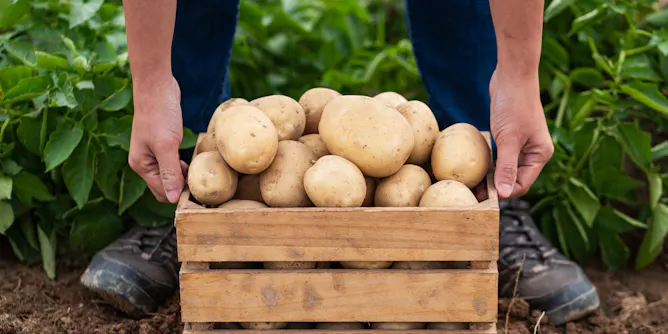
Dependence on a single crop is risky. When blight strikes vulnerable communities, the consequences can be devastating.
Articles on Crop pests
Displaying 1 - 20 of 23 articles
This is the first time that a fossil thrips has been recorded anywhere in Africa, or the entire southern hemisphere.

Six fungi species were tested and three were found fast and effective at infecting and destroying woolly apple aphids.
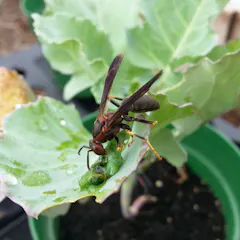
Research shows wasps are active and useful predators of caterpillars on crop plants, but we need to know more about their full biocontrol potential.

It’s a horror story unfolding in the west that could sweep across the country. Beware the shot-hole borer, an exotic pest that threatens our tree crops, plantations, urban forests and wild places.
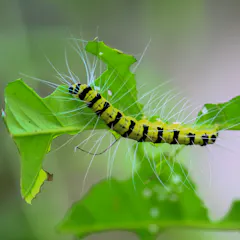
Despite its 500-million-year history, the plant-fungi alliance holds mysteries that, once unravelled, could revolutionise agriculture and ecosystem management.
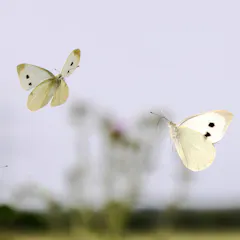
Conditions this year have been perfect for a cabbage white population boom, but you can do a few things to stop their caterpillars from shredding your plants.
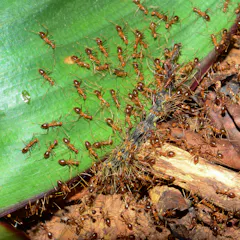
The two pest ant species have huge impacts on the areas they invade. The fire ants can even kill people. Unfortunately, these ants will be hard to eliminate.
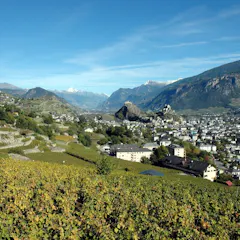
In the face of climate change, research shows it might be best not to put all one’s grapes in one basket.
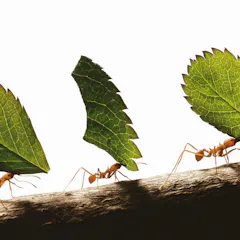
Over hundreds of million years of evolution, ants have come up with some pretty smart solutions to problems of agriculture, navigation and architecture. People could learn a thing or two.

The impact of climate change on the spread of crop pests is established. Biological control methods show some promise but the pace of climate change means scientists are in a race against time.
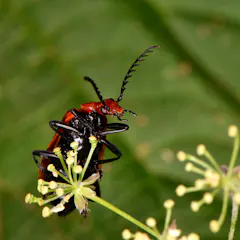
Climate change is exposing animals to temperatures outside of their normal limits – a new study has found that insects have a particularly weak ability to adjust.

Studies suggest that seeds coated with neonicotinoid insecticides may harm nontarget insects, mammals and birds. In response, states are starting to restrict use of these products.
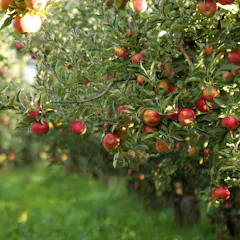
Apple breeders have created crisp, juicy and tasty fruits, but the limited varieties leave crops vulnerable to diseases, pests and climate change. Introducing new traits could improve crop resilience.
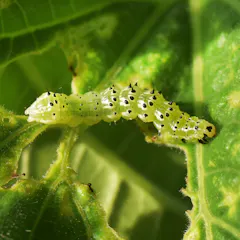
Gluttonous caterpillars are excellent crop pests — their kidneys perform several tasks that allow them to grow rapidly, while eating plants.
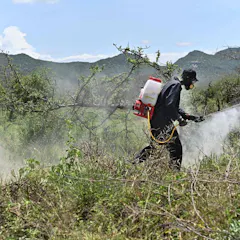
Currently, outbreaks are managed using chemical pesticides or an insect fungus. Neither is a good option.
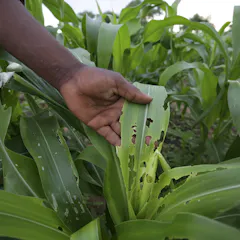
Farmers should use biopesticides - naturally occurring substances that kill pests such as the fall armyworm - instead of using pesticides, which are often highly toxic.
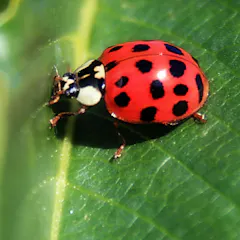
An AC/DC-loving biologist tests the band’s 1980 assertion that “rock ‘n’ roll ain’t noise pollution.” Turns out it can be – and the negative effects of noise can ripple through an ecosystem.
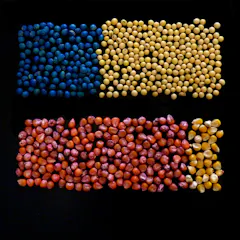
US farmers are planting more and more acres with seeds coated with neonicotinoid pesticides. An ecologist explains why this approach is overkill and may be doing more harm than good.
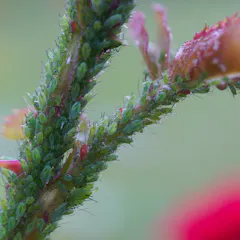
Aphids often appear in swarms around May and June but what risk do they pose to plants?
Top contributors
-

Professor of Entomology and Extension Specialist, Penn State
-
Assistant Professor of Biological Sciences, Mississippi State University
-
Lecturer in Integrated Crop Management, University of Neuchâtel
-
Associate Professor, University of Pretoria
-
PhD Candidate in Entomology, University of Bristol
-
Senior Lecturer in Ecology, Newcastle University
-
Associate lecturer, University of Venda
-
Associate Professor of Applied Entomology, The University of Western Australia
-
Professor of Zoology and Genetics, National University of Sciences, Technologies, Engineering and Mathematics
-
Associate Professor of Finance, EHL Hospitality Business School, Haute école spécialisée de Suisse occidentale (HES-SO)
-
Professor of Ecology, Natural Resources Institute, University of Greenwich
-
Professeur associé, Haute école spécialisée de Suisse occidentale (HES-SO)
-
Assistant Professor in Biology, Acadia University
-
Teaching Professor of BioSciences, Rice University
-
Professor at the Lancaster Environment Centre, Lancaster University