

People may accept bad behavior – even sexual assault – when they overestimate how acceptable their peers think it is. But there are ways to undermine this thinking and make intervention more likely.
Articles on Peer support
Displaying all articles

Empowering students to address social issues doesn’t require a classroom overhaul. Simple, everyday activities can be life-changing when integrated into traditional teaching.
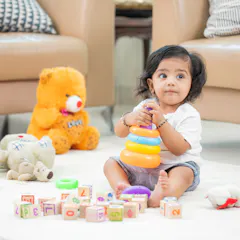
Peer support can help parents build secure relationships and grow in confidence bringing up their children.

Peer support is one way to help new mothers access the care they need.

Among Uganda’s motorbike taxi drivers, being able to drive fast – despite its dangers – is viewed as a status symbol.

While many people living with chronic pain require medication, there is growing interest in non-pharmacological approaches that seek not only to treat and manage pain, but also to prevent it.
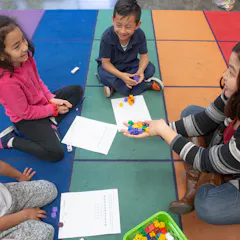
Mathematics is not a “neutral” subject — cultural biases exist. A shift to more equitable teaching looks like teachers drawing on students’ knowledge, and students generating lots of solutions.

Young people provide timely and personalised mental health support to friends – but sometimes find looking after their own needs difficult in the process.

Year-round academic and extracurricular opportunities that encourage cultural exchange between international students, their peers and the wider society are important.

Courses designed to foster peer-to-peer learning in virtual spaces can yield research insights across disciplines.

Peer support, opportunities to engage in responses to combat racism and bias and culturally responsive counselling are important for the mental health and well-being of international students.
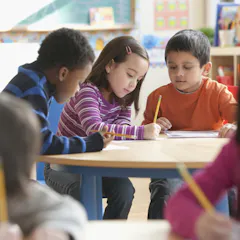
Small-group learning activities can help students build social skills while enhancing academic achievement. This is particularly important for kids who face bullying or discrimination.
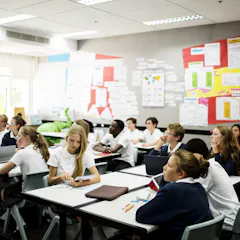
Our study is the first of its kind to test many of the possible mechanisms behind the positive effects peers may have on other students.
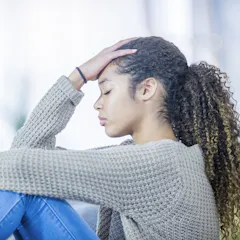
A viral TikTok video is helping girls bear witness to the harassment they experience at school.

A significant portion of teenagers’ social development happens online. The risks are well known, but the benefits of peer support are often overlooked.
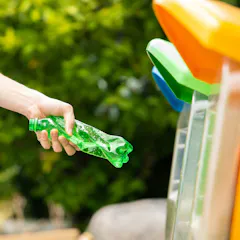
Americans recycle only about one-third of the solid waste we generate. A behavioral scientist argues that with the right motivators, we could do more.
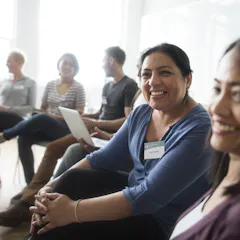
Instead of just helping combat a chronic disease, peer support groups can help improve quality of life.
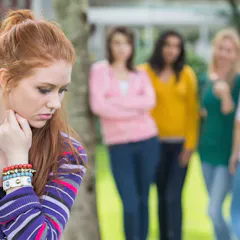
A study claiming “only half your friends like you” made headlines last week. But the data support a humbler, and perhaps happier, story.
Top contributors
-

PhD candidate: childhood obesity, Victoria University
-
Honorary Fellow / Clinical Psychologist, The University of Melbourne
-
Associate professor, School of Communication and Culture, Royal Roads University
-
Professor of Management, Institute of the Environment and Sustainability, Anderson School of Management, University of California, Los Angeles
-
PhD Student, School of Education, Johns Hopkins University
-
Lecturer & Chair, Honours Program, Department of Sociology, University of British Columbia
-
Professor of Psychology, University of Kentucky
-
Research Assistant, Western Sydney University
-
McCall MacBain Postdoctoral Fellow, Faculty of Health Sciences, McMaster University
-
McKenzie Postdoctoral Research Fellow in Economics, The University of Melbourne
-
Postdoctoral Fellow in Mental Health Resources, Dartmouth College
-
Associate professor, Western Sydney University
-
Postdoctoral Fellow, The University of Melbourne
-
Research officer, Institute for Culture and Society, Western Sydney University
-
Health Policy Lead, Mitchell Institute, Victoria University