
This study shows peers are linked to mental health. But this doesn’t mean anxiety and depression are ‘contagious’.
Articles on Peer relationships
Displaying 1 - 20 of 23 articles
Forming study groups and reaching out to professors can greatly improve a first-year student’s chances for success.

People often privately feel uncomfortable about bad behavior they see around them but mistakenly believe their peers don’t share their concerns.

Improving the health of people who are trans and gender diverse means improving access to family doctors who are supportive, competent and confident in providing access to gender-affirming care.
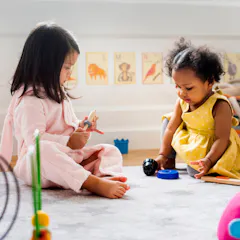
A unique dataset from 32 children on 36 different play dates provided the opportunity to study how young children develop peer relationships, and how consistent they are with different children.
Research shows underrepresented people in STEM studies thrive in learning environments that address their need to belong, feel competent and find meaning in their work.
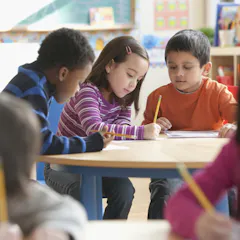
Small-group learning activities can help students build social skills while enhancing academic achievement. This is particularly important for kids who face bullying or discrimination.
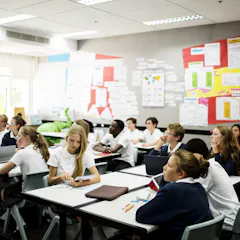
Our study is the first of its kind to test many of the possible mechanisms behind the positive effects peers may have on other students.

A study of over 1,000 children in rural Oklahoma found that social and emotional health may be just as important as diet and exercise in reducing child obesity.

Relationships, inclusivity, anti-racism and flexibility matter. So does offering students learning opportunities, and supporting and following their transitions over time.
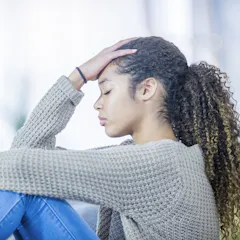
A viral TikTok video is helping girls bear witness to the harassment they experience at school.
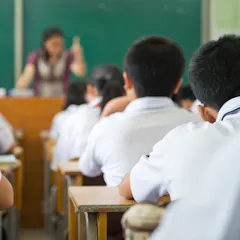
Our study of students in middle schools across China found low-achieving 12-13 year old students significantly bring down the academic achievement of the rest of their class.
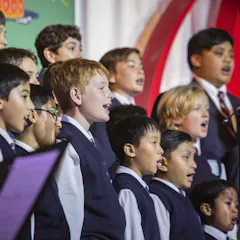
Many boys stop singing at adolescence – but with the right support, they can continue to sing through their voice change and emerge as lifetime singers.

Good mental health is the ability to adapt to changes and stress. Whatever school looks like, parents can help keep kids’ social-emotional development on track in these four areas.

A group of year seven students showed that relationships most of all – with friends, family and pets – gave their lives meaning.
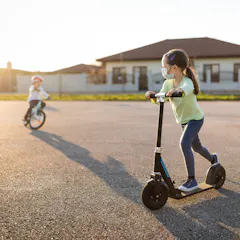
In some parts of the US, a silver lining of COVID-19 may be a return to childhood friendships based in neighborhoods.

A 40-year friendship ends badly and publicly, leading to a forensic examination of what it means to have and be a friend.
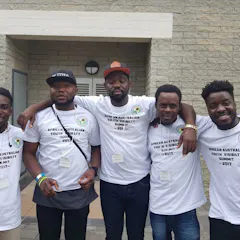
A new crime prevention program in Western Australia is training young Australians of African descent to become peer mentors to at-risk youths in their communities.
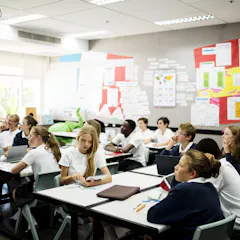
Weaker students – when placed together with better classmates – can gain from the improved learning environment, and smarter students are unlikely to be negatively affected.

If a superannuation fund member is at a workplace where a lot of colleagues make changes to their investment strategy, it becomes significantly more likely that they themselves will make a change.
Top contributors
-

Research Fellow in Educational and Developmental Psychology, Charles Sturt University
-
PhD Candidate, University of Hertfordshire
-
Clinician, Australian Catholic University
-
Senior Lecturer in Economics, Università di Torino
-
PhD Student, Educational Leadership, Policy, and Human Development, North Carolina State University
-
McKenzie Postdoctoral Research Fellow in Economics, The University of Melbourne
-
Emeritus Professor of Creative Writing, The University of Melbourne
-
Professor of Music Education, Georgia State University
-
Professor of Psychological and Brain Sciences, UMass Amherst
-
Assistant Professor and Canada Research Chair in the Politics of Reproduction, University of Waterloo
-
President Emeritus and Professor of Education, Elon University
-
Senior Lecturer, Monash University
-
Professor of Human Development and Family Science, Oklahoma State University
-
Senior Associate, Monash University
-
Assistant Professor Educational Psychology, University of Calgary