
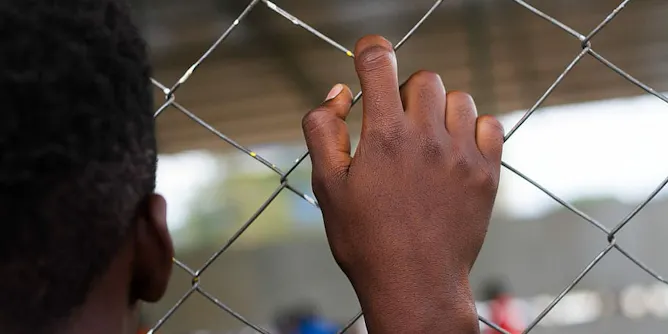
Ghana needs a more effective approach to juvenile justice reform that considers the long-term impact of detention on youth offenders.
Articles on Peacebuilding
Displaying 281 - 300 of 3117 articles
Ethiopia’s unmet refugee education reforms highlight the ways in which bureaucratic structures and interests can shape policy.

The inequitable distribution of the benefits and harms of the food system is a violation of the constitutional right to food.
Deep-seated cultural practices – such as female genital mutilation and child marriage – prevent girls from making progress in school.

Policies that reduce poverty, inequality and socioeconomic insecurity lower the incentive to engage in or tolerate terrorism.
African policymakers need to access science-based information that can directly inform future planning.
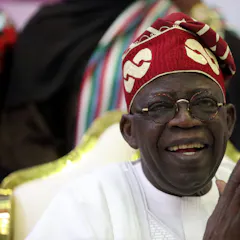
Once in office, the new president will face a myriad of challenges, chief of which is insecurity.

In his music, he positions himself within the people’s struggles and identifies with them.
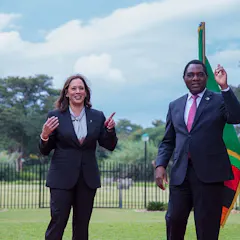
President Hichilema’s self-styled ‘chief marketing officer’ approach has unlocked new investments from a diverse mix of partners.
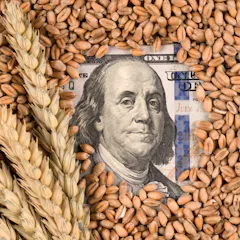
Slow growth of exports and tourism and a resurgence of global inflation have created dollar shortages in some African economies.
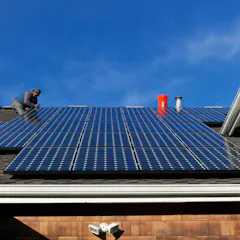
Making the green energy transition a success requires governments to pay attention to environmental factors and socioeconomic imperatives.
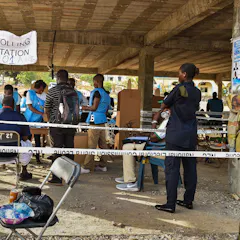
Though public opinion surveys offer some hope, there are several concerns for democracy’s consolidation in West Africa.

Ties between the two nations date back to Tanzania’s solidarity with the anti-apartheid struggle.
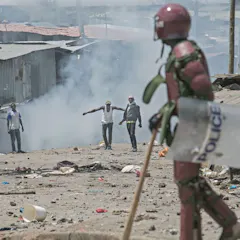
Political protests in Kenya have become insular, sectarian, tribal and unashamedly personality driven.
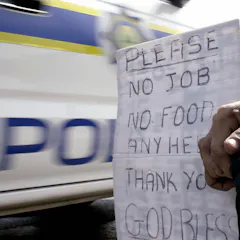
Food insecurity remains a major health problem. And poorer households are disproportionately affected.
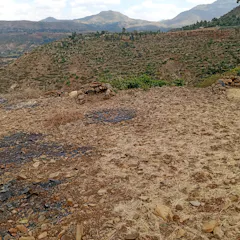
Typically, humanitarian concerns are prioritised following a war. But the environment must also get attention so that societies can produce food and goods to rebuild their lives.
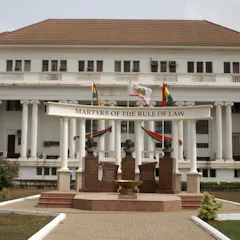
Ghana’s flawed democracy has failed to establish mechanisms to effectively control corruption.
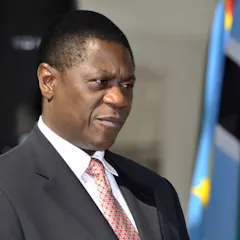
Mashatile could be the new broom that sweeps clean. Ramaphosa’s apparent confidence in him suggests that he has some latitude to do so.

The public bears the suffering and costs of the global epidemic of noncommunicable diseases, and the rapidly accelerating climate emergency.
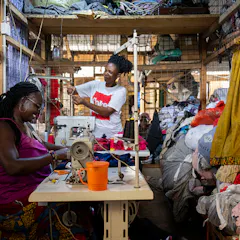
Domestic resource mobilisation cannot be achieved by over-taxing the livelihoods of the most vulnerable workers in the informal sector.
Top contributors
-

Professor/Senior Research Fellow, Centre for Advancement of Scholarship, University of Pretoria
-
Professor of Sociology, University of the Witwatersrand
-
Professor of Political Studies, University of Johannesburg
-
Senior Fellow, Department of Agricultural Economics, Stellenbosch University
-
Professor of Sociology (Criminology, Victimology and Security Studies), University of Ibadan
-
Professor of Democracy, University of Birmingham
-
Extraordinary Professor, Department of Political Sciences, University of Pretoria
-
Honorary Professor of International Relations, University of the Witwatersrand
-
Senior Lecturer of Political Science, Georgia Gwinnett College
-
Professor of Social Development Studies, University of Johannesburg
-
Associate Professor of International Studies, University of Nottingham
-
Professor of Economics & Business, Allegheny College
-
Associate professor in Politics and International Relations, Leeds Beckett University
-
Research associate at African Centre for Cities, University of Cape Town
-
Professor of Media Industries, University of Nottingham