

HCFCs were a temporary replacement for CFCs, the initial subject of the 1987 Montreal protocol.
Articles on Peace & Security
Displaying 81 - 100 of 328 articles
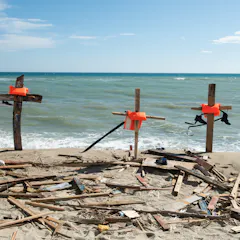
New tech tools are more intrusive and subtler than physical barriers. They invade migrants’ privacy and are a threat to personal security.

As renewable energy becomes cheaper and climate change affects water availability, the contribution of hydropower will decline.

African countries need to find an alternative that acknowledges that sustainable development and economic growth are interdependent.
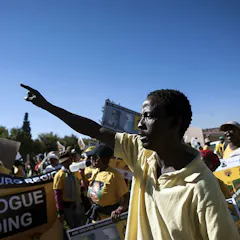
Solutions driven by the private sector are only for those who can pay, and also end up driving public priorities.

More than 700 million hectares of land in Africa has been degraded by human activity. Everyone can get involved in restoring the ecology.
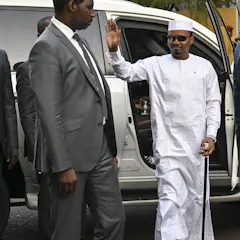
Chadians are bracing themselves for more years of authoritarian rule.

The El Niño drought in Malawi decimated the maize harvest this year. It has left the country with few options other than importing food.
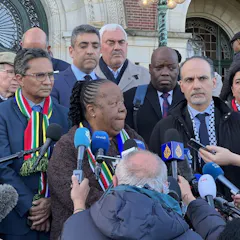
The country will see more foreign policy continuity if the ANC partners with smaller parties that share its world view.
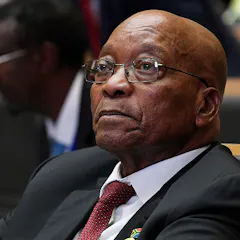
Zuma’s uMkhonto weSizwe is now the largest party in KwaZulu-Natal and the fourth biggest nationally.
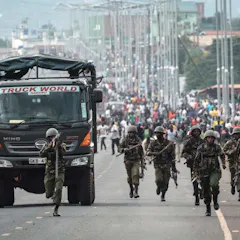
Kenya’s inability to move past ethnic ideology has made it difficult to develop alternative bases for political organisation.
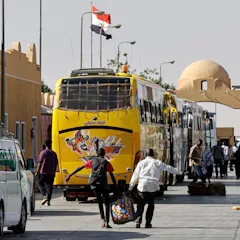
A spiralling Sudan will affect peace and security in the Lake Chad Basin region, of which Nigeria is a member.

Of all symptoms studied, fatigue was associated with the biggest effect on long COVID patients’ daily lives.
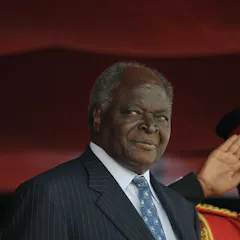
He will be remembered as the leader who plunged the country into unmitigated chaos

The recent spate of military takeovers, most recently in Chad, highlights a developing trend by armed forces in Africa which overtly subvert constitutional governance.
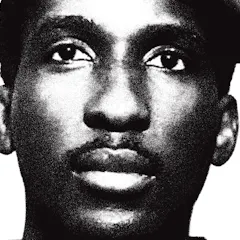
Burkina Faso is still in the throes of chaos decades after the assasination of the charismatic president
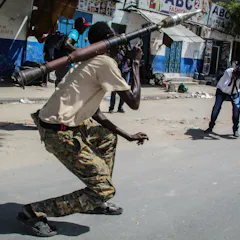
The international community is opposed to Farmaajo’s term extension because of fears that it’s a power grab consistent with political trends elsewhere in the region.
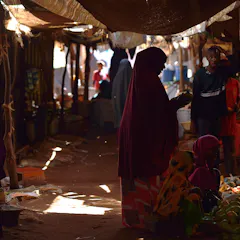
By securitising refugees, in this case accusing them of instigating terror, the Kenyan government is compromising their social, economic and political rights as set out in international law.
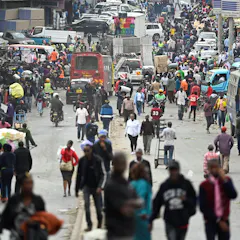
On average, countries that adopt ethnic recognition experience less violence, more economic vitality, and more democratic politics.

Although polarising, parliament’s move to extend Farmaajo’s term has presented a practical road-map to hold direct elections for the first time since 1969.
Top contributors
-

Senior Lecturer of Political Science, Georgia Gwinnett College
-
Lecturer in African History, Queen Mary University of London
-
Senior Research Fellow, Norwegian Institute of International Affairs and Visiting Professor University of Buckingham, Norwegian Institute of International Affairs
-
Professor of Media Industries, University of Nottingham
-
Associate Professor of International Studies, University of Nottingham
-
Lecturer and Senior Research Fellow at the South African Research Chair in International Law (SARCIL), University of Johannesburg
-
PhD Candidate, Department of Political Science and Public Administration, University of Nairobi
-
Professor of History, Colgate University
-
Professor in Global Security, RMIT University
-
Lecturer, School of Journalism, University of Nairobi
-
Lecturer, London School of Economics and Political Science
-
Research Affiliate and Senior Analyst, University of Central Florida
-
Associate Professor, International Development Studies; Associate Dean, Menno Simons College, University of Winnipeg
-
Lecturer, International Law, University of Nairobi
-
Lecturer, Political Science, Obafemi Awolowo University