
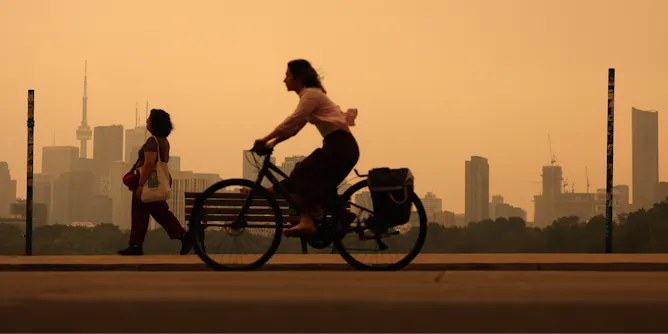
When you breathe in wildfire smoke, harmful particles can travel deep into your body.
Articles on Particulate matter
Displaying 1 - 20 of 22 articles
A new study from Sweden links long-term air pollution exposure to higher risk of motor neurone disease and faster progression.
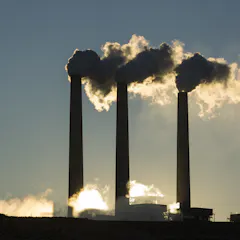
As soon as the 2018-2019 shutdown began, coal-fired power plants started emitting more particulate matter pollution. And when the inspections resumed, the levels dropped back to normal.
Which is riskier for your health: a few days of very bad PM₂.₅ exposure or many more days of slightly bad exposure? Researchers developed new metrics to provide better answers.

In Nigeria, the national grid is so unreliable that individual homes procure much of their own electricity. They’re pivotal in the country’s transitions to renewable energy and should be subsidised.
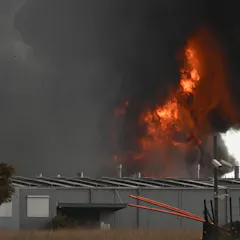
The first thing to remember is that all smoke is harmful. Typically, if you can smell smoke, it’s at a level where it’s impacting your health.
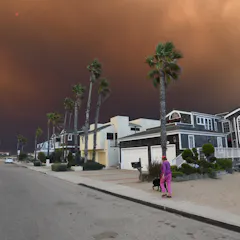
Breathing wildfire smoke can cut years off people’s lives. As fires become more frequent in a warming world, smoke is leading to a public health crisis, harming people far from the flames.
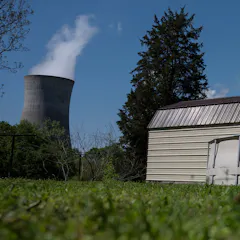
The longest-running study of its kind reviewed death records in the path of pollution from coal-fired power plants. The numbers are staggering − but also falling fast as US coal plants close.
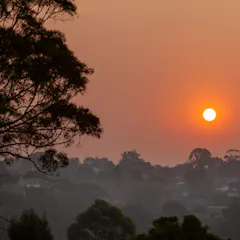
People with a lung condition are among those particularly vulnerable to bushfire smoke. But you can prepare for the season ahead.

The notion that wildfire smoke is ‘natural,’ and therefore less harmful than other types of air pollution, is not supported by the evidence. Wildfire smoke has been linked to adverse health effects.

Fires in Canada have sent smoke across several US states, leaving cities including New York, Chicago and Denver with some of the worst air quality in the world – even far from the flames.

Air pollution causes chess players to make more errors – this may have implications for high-skilled professionals.

New research reveals that the London Underground is polluted with small particles which may carry negative health effects for humans.
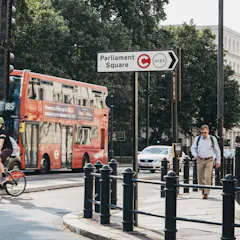
To achieve radical improvements in air quality, the ULEZ expansion must be coupled with better public transport and more spaces for pedestrians.
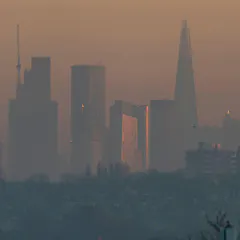
A new report by the UK’s Chief Medical Officer sets out what must happen.

Cruise liners are back and demand is reportedly strong. But given their environmental impact and relatively low economic benefit, how sustainable is this kind of tourism?
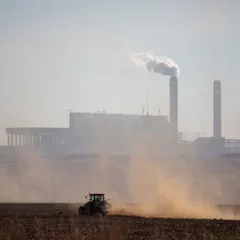
Johannesburg occasionally smells like rotten eggs. The wind brings the smell from the east or the southeast, where most industries are located.

Pollution from more frequent floods and wildfires – exacerbated by the warming climate – is threatening human health and poses particular risks to the brain.
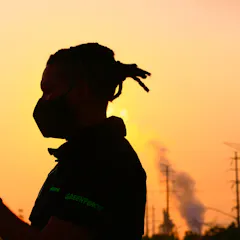
The World Health Organization has halved its recommended limit for particulate pollution.

Those directly exposed to toxic dust and trauma on and after 9/11 carry with them a generation of chronic health conditions, which are placing them at higher risk during the pandemic and as they age.
Top contributors
-

Clinical Research Fellow in Environmental Health, University of Birmingham
-
Research Fellow in Active Travel Interventions, University of Westminster
-
Professor of Occupational and Environmental Health Sciences, Florida International University
-
Assistant Professor, Faculty of Health Sciences, Simon Fraser University
-
Senior Research Fellow, The University Centre for Rural Health, University of Sydney
-
Queen Elizabeth II Birmingham Centenary Professor of Environmental Health, University of Birmingham
-
Professor of Environmental Health Sciences, University of California, Los Angeles
-
Academic - Advocacy and Public Health
-
Professor of Atmospheric Science, University of Birmingham
-
PhD Researcher in Earth Sciences, University of Oxford
-
Assistant Professor of Engineering, George Mason University
-
Associate Professor, University of Pretoria
-
Research Project Director, University of California, Los Angeles
-
Assistant Professor
-
Clinical Associate Lecturer, Northern Clinical School and Lecturer, Internal Medicine. Rural Clinical School (Northern Rivers), University of Sydney