
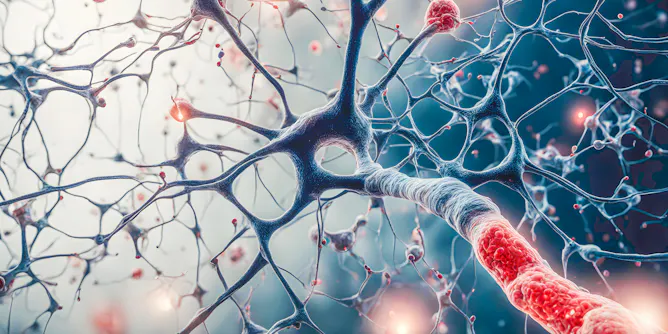
Addressing the harmful chemical processes that accompany blunt force trauma to the brain can reduce the risk of long-term disability.
Articles on Organic chemistry
Displaying all articles

The molecules that make micelles are in your dishwashing detergent, your body wash, your shampoo, your toothpaste and even many foods. They are there to help the water interact with the dirt and oils.
Scientists have known about the ‘formose reaction’ for 160 years. New research shows how it could have played a key role in the creation of life.
Studying the sample could help answer how water arrived on Earth and how life started.
Nanoparticles have contributed to profound medical advances like the COVID-19 vaccine, but without oversight, they pose ethical and environmental issues.
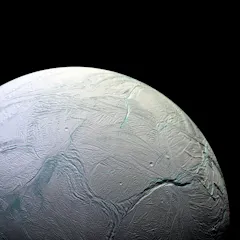
Phosphorus is the most elusive element crucial for life as we know it – and we now have the first evidence there’s some available in the oceans of Enceladus.
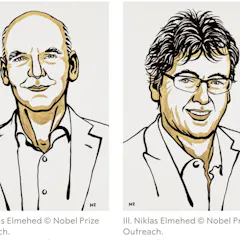
The discovery has boosted the pharmaceutical industry and made research greener and cheaper.
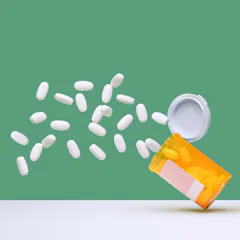
While the COVID-19 pandemic raged on, the opioid epidemic got worse as drug overdose deaths soared. New research proposes a way to chemically modify opioids to reduce the risk of addiction.

A minuscule particle of asteroid dust has helped reveal how celestial rocks like Earth might have sprouted life.

Considering what we know about the key ingredients for life’s formation on Earth, here are three explanations for how this process may have occurred on our sister planet.

Sulfur contaminates gasoline and coal, and when these fuels are burned, sulfur dioxide is emitted, causing pollution and respiratory issues. Now there may be a new, cheaper way to remove it.

When students practice green chemistry, they learn to think critically about the global impact of their field and become more passionate about studying chemical transformation.
Top contributors
-

Professor and Director of the Australian Centre for Astrobiology, UNSW
-
Associate Researcher, Australian Centre for Astrobiology, UNSW
-
Associate Professor, School of Chemistry, UNSW
-
Associate Professor in Organic Chemistry, University of Southampton
-
Senior Lecturer in Chemistry, Swinburne University of Technology
-
Associate professor, University of Winnipeg
-
Assistant Professor Chemical and Life Science Engineering, Virginia Commonwealth University
-
Senior Lecturer, School of Chemistry, UNSW
-
Space Projects Manager & Mission Design Lead, University of Portsmouth
-
PhD Candidate in Prebiotic Chemistry, UNSW
-
Group Leader, Chemical and Biological Signatures, Pacific Northwest National Laboratory
-
Assistant Professor of Chemistry, Trinity University
-
Lecturer in Earth Sciences, Royal Holloway, University of London
-
Postdoctoral Fellow in Materials Science and Engineering, Missouri University of Science and Technology