
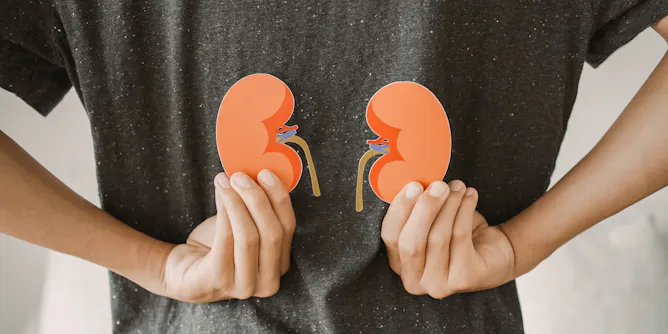
A new study explores the genetics of chronic kidney disease across diverse African populations.
Articles on Kidney transplant
Displaying 1 - 20 of 24 articles
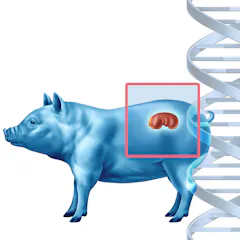
How many human cells does a pig need before it’s considered too human?

As it is now, the transplant system treats kidneys from all Black donors as if they are at higher risk for failing, even though only some are.

Some people claim that their personality changed after receiving a donor organ. Here’s how it might happen.
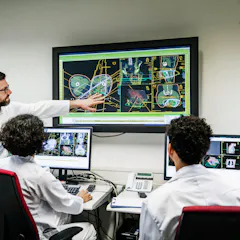
Biased algorithms in health care can lead to inaccurate diagnoses and delayed treatment. Deciding which variables to include to achieve fair health outcomes depends on how you approach fairness.

A scholar who has studied imprisonment explains why the promise of sentence reductions in return for organ donation raises ethical issues about whether inmates can ever consent freely.
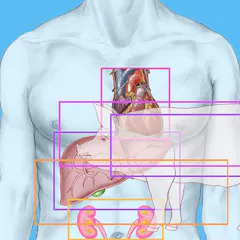
Recent successes putting genetically modified pig organs into people have brought xenotransplantation back into the spotlight.
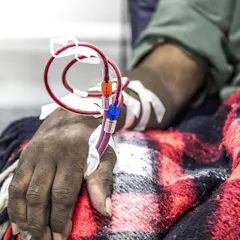
Following a healthy diet may lower the risk of disease complications and allow patients to live well despite having the disease.

As policymakers weigh financial aid for the airline industry, they have an opportunity to help make the US organ transplantation system more equitable at the same time.
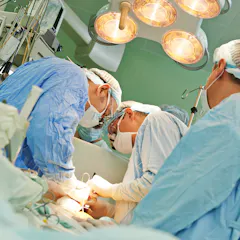
Thousands of Canadians are on waiting lists for life-saving organ transplants. An opt-out organ donor system, like the one Nova Scotia is implementing, could reduce avoidable deaths and suffering.
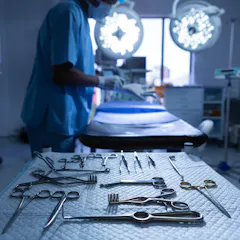
New research supports kidney transplants from HIV-positive donors to recipients with HIV.
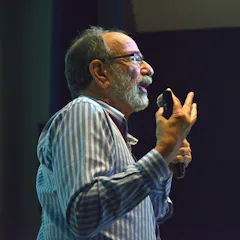
Stanford professor’s research has led to an increase in the number of kidney transplants in the United States.
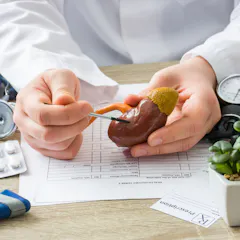
You might have heard of polycystic ovary syndrome, but what about polycystic kidney disease? This genetic disorder sees cysts growing in the kidneys.

Most Canadians support organ donation after death, but fewer than 25 per cent have registered to donate their organs. What can be done to encourage more registrations?

Sport can provide organ recipients with motivation and a chance to celebrate.

Caring about someone you have never met, this new brain research suggests, may have a lot in common with caring about the people you love.
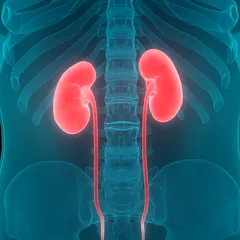
The number of Australians with chronic kidney disease is set to rise, but there’s no cure for most people. Here’s what you need to know about this silent killer.
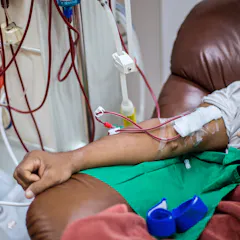
Many patients with end stage kidney disease would live longer and have a better quality of life with a kidney transplant compared to staying on dialysis.

Australia’s organ donation levels are low by international standards. At least twenty countries achieve better donation rates than Australia’s 16.1 donors per million population (DPM).
Rather innocuous-looking and tucked away below the ribcage, kidneys are crucial for keeping us alive and well.
Top contributors
-

Director, Nephrology and Kidney Care Services, Melbourne Health
-
Senior Lecturer, Sport, Exercise and Health Sciences, Loughborough University
-
Clinical senior lecturer, The University of Western Australia
-
Director of Nephrology at St Vincent's Hospital Melbourne, and Associate Professor of Medicine,, The University of Melbourne
-
Postdoctoral Researcher in Cognitive Neuroscience, University of Pennsylvania
-
PhD student, Faculty of Health, School of Medicine, Deakin University
-
Nephrologist, PhD candidate at Centre for Inflammatory Diseases, Monash University
-
Associate Dean (Research Degrees) and Research Group Leader, Monash University
-
Chen Su Lan Centennial Professor in Medical Ethics, National University of Singapore; Distinguished Visiting Professor in Law, University of Melbourne; Uehiro Chair in Practical Ethics, The University of Melbourne
-
Reader of Public Policy, University of Warwick
-
Adjunct Fellow, T.C. Beirne School of Law, The University of Queensland
-
Senior Research Fellow, School of Medicine, The University of Western Australia
-
Associate Professor of Philosophy, University at Albany, State University of New York
-
African Population and Health Research Center
-
Canada Research Chair, Royal Roads University