

As British Columbia begins a new era in drug policy, the drug poisoning crisis continues without an end in sight.
Articles on Opioid crisis
Displaying 21 - 40 of 97 articles

More than 50 overdoses happen in bathrooms every month in British Columbia. Public bathrooms can be made safer for everyone, including people who use substances.
Making them pay is important but it’s not going to stop drugmakers from endangering public health.
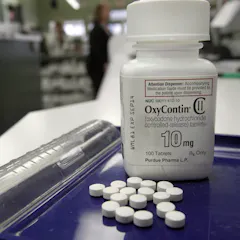
The Purdue Pharma settlement is paltry compared to costs of the opioid crisis. Without major changes to pharma industry regulation, there is little reason to think a similar crisis won’t occur again.

British Columbia’s bold experiment provides an opportunity to implement more balance in Canadian drug policy, and a more principled withdrawal from the war on drugs.

Non-opioid directives allow patients to refuse opioids in all health care settings. For surgical procedures that require anesthesia, however, this may do more harm than good.

Game making is an art form that many aren’t intimately familiar with. Unlike other creative practices, game makers must create the rules and laws that govern and shape player behaviours.

Measures to curb growing rates of opioid use are also making it difficult for people with long-term, chronic pain to get ongoing prescriptions.
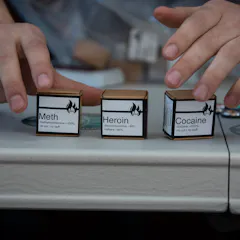
People are dying from using a toxic drug supply. Safer supply and other approaches that listen to the needs of people who use drugs are critical to saving lives and addressing the opioid crisis.

Drug manufacturers often shun the use of placebos in clinical trials. But research suggests that placebos could play an important role in the treatment of depression, pain and other maladies.
The number of fatal drug overdoses in the US over a 12-month period has surpassed 100,000 for the first time. Fentanyl is the main driver of the spike in deaths.

False narratives about drug addiction and policies that are not supported by research are deepening the overdose epidemic in the US.

The multibillion-dollar settlement will trigger the release of troves of documents that may shine new light on what caused the opioid crisis.
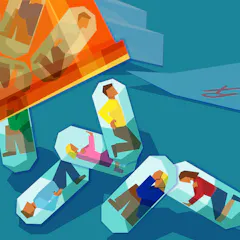
Ending the opioid epidemic requires addressing not only treatment gaps in addiction and overdose, but also inadequate pain management.

Fentanyl adulteration led to the replacement of heroin in the unregulated drug supply of British Columbia. Now that benzodiazepines are present in many opioids, are we headed towards a ‘new normal?’

Decriminalization is an important step in addressing the overdose crisis, but it is crucial that other approaches — like regulation — are also in place.
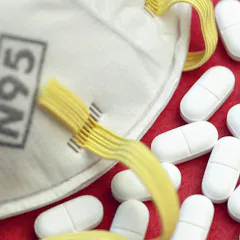
The start of one new public health crisis didn’t mean the end of another.

Can college professors rap their way into academic publishing? One professor makes an album to prove they can.
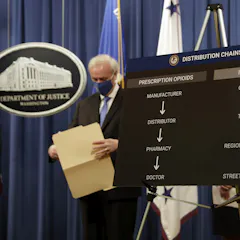
The government has tried to harness profit-driven drugmaking to serve public health before. The results were underwhelming.
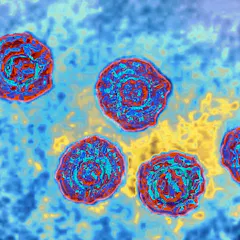
The 2020 Nobel Prize for Physiology or Medicine goes to the discoverers of the hepatitis C virus. There’s an effective cure but homelessness and the opioid epidemic are driving a surge in infections.
Top contributors
-

Medical Director of Opioid Policy Research, Brandeis University
-
Associate professor, Department of Family and Community Medicine, University of Toronto; York University, Canada; University of Sydney
-
Associate Professor of History, University at Buffalo
-
PhD Candidate, School of Population and Public Health, University of British Columbia
-
PhD Candidate, School of Nursing, University of British Columbia
-
Postdoctoral Fellow, Harvard University
-
Director of Translational Institute of Medicine (TIME), Queen's University, Ontario
-
Professor of Law, Indiana University
-
Professor and Deputy Director, Monash Addiction Research Centre, Monash University
-
Visiting Assistant Professor of Sociology, College of the Holy Cross
-
Professor, Department of Sociology and Anthropology, University of Guelph
-
Co-Director, Opioid Prescribing Engagement Network and Assistant Professor, University of Michigan
-
Director of the Master of Bioethics degree program at the Berman Institute of Bioethics, Johns Hopkins University
-
Vice-Dean, Faculty of Pain Medicine, ANZCA, Flinders University
-
Reader, Psychology and Language Sciences Division, UCL