
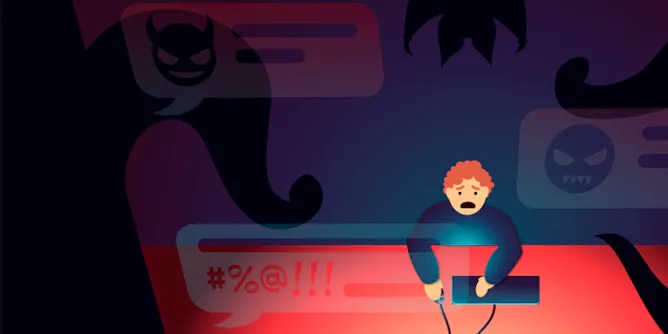
A higher quality discussion emerged among commenters allowed to use personas instead of their real names.
Articles on Online hate
Displaying 21 - 40 of 47 articles
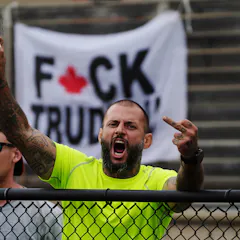
Justin Trudeau has a reputation as a youthful progressive outside of Canada, but among right-wing Canadians online, he’s despised — and he’s been confronted with hostility on the campaign trail.

Australia’s piecemeal approach to regulating hate speech online isn’t working. The UK has introduced a possible better way forward.
We found LGBTIQ+ groups are exposed to an unacceptable level of discrimination and intimidation, including death threats, targeting of Muslims and threats of stoning or beheading.
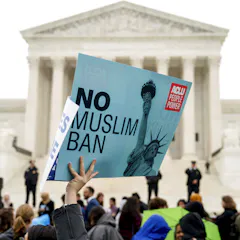
A civil rights group is suing Facebook for its failure to stop the spread of anti-Muslim hate speech on the platform.
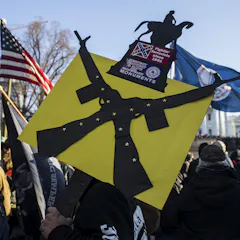
Facebook, Twitter, YouTube and other social networks say they are targeting hate, but they’re overlooking a major source of hateful content: gun talk.

‘Zoombombing’ trolls have started to infiltrate virtual meetings - bombarding unsuspecting victims with racist and sexist speech and in some cases, pornographic imagery.
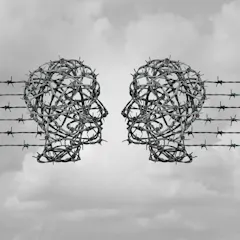
Free speech is too important to leave it to a government regulator to decide what should be banned.

Children’s identity development through play is now being worked out online – so adults must consider what this means, and support learning in reflectiveness, relatedness and agency.

Researchers look for signals that might distinguish people who are upset and ranting online from those who intend to do real physical harm.

Dozens of countries and hundreds of firms and nonprofits are fed up with digital violence and are working toward greater cybersecurity for all.

It’s not your intent that matters when you’re considering your online behaviour – it’s the consequences that create the impact.

Social media companies struggle to identify and remove hate speech when it’s posted. What can computer science reveal about how hate-filled texts and videos spread online?

Children can’t handle watching livestreamed massacres – and adults shouldn’t have to.
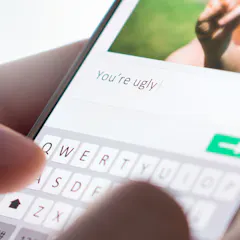
Some people still think “trolling” refers to harmless fun. If we want to reduce abusive online behaviour, let’s start by getting our definitions right.
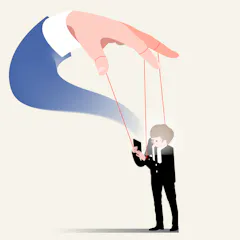
Academic research highlights the dangers – personal and societal – of giving too much time and attention to social media.

Why do people believe absurd lies about George Soros? The answer depends on the platforms you use, the media influencers you follow and the memes you see.
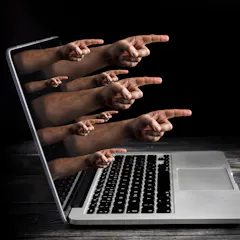
Hysterical narratives promoting fear among some Americans may be more effective at sparking violence than hate speech is. Social media companies are expected to guard against both.
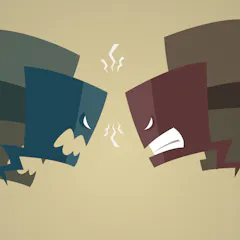
Twitter and Facebook have said they will take steps to fight hate and abuse on their sites, but they have not yet adequately addressed the problem.
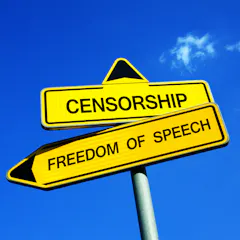
The borderless nature of the internet makes it hard to pull the plug on social media talk that crosses the line.
Top contributors
-

Associate Professor of Communication and Media Studies, Pace University
-
Adjunct Senior Lecturer, Applied Ethics and CyberSecurity, Griffith University
-
Associate Professor of Communications (Social Media), Syracuse University
-
Professor of Communication, Baylor University
-
Horizon Postdoctoral Fellow, Department of Education, Concordia University
-
Senior Lecturer, Master of Cyber-Security Program (Law), La Trobe University
-
Assistant Professor of Rhetoric and Technology, Kansas State University
-
Professor of Media Studies, Queensland University of Technology
-
Associate Professor in International Development Studies, Dalhousie University
-
Associate Professor in Education, Concordia University
-
Associate Professor, Criminology, Department of Social Science, York University, Canada
-
Postgraduate Teaching Assistant, University of East London
-
Lecturer in Law, Keele University
-
PhD in Sociology, University of Southampton
-
Researcher, Dalhousie University