
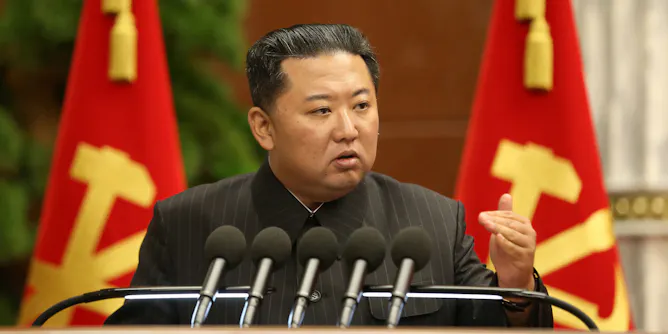
North Korea’s test of two new missile systems have stoked fears of a nuclear confrontation in Asia. But the North Korean leader may not be as unstable as he is made out.
Articles on Nuclear weapons
Displaying 121 - 140 of 329 articles

Molten salt reactors are being touted as an advanced technology for the production of nuclear energy, but their implementation is fraught with challenges.
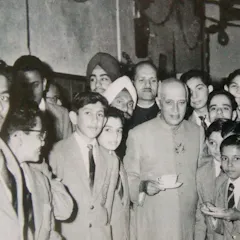
Nehru was a fervent believer in what became known as ‘non-alignment’ — perhaps his greatest contribution to the 20th century world.
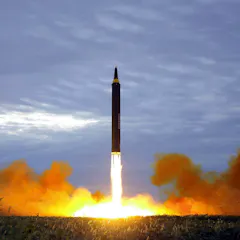
The nuclear-armed and dependent states have been put on notice. They know the treaty jeopardises their claimed right to continue to threaten the planet.
Donald Trump avoided a major crisis with North Korea. But the North Korean nuclear issue remains unresolved as the country continues to develop its nuclear and ballistic capabilities.

Climate change is a true existential threat for small island nations, but the US has done little to help the Marshall Islands, which it administered for decades.
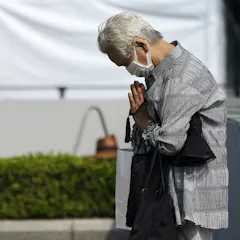
The hibakusha (survivors) of the 1945 bombings have been among the most tireless campaigners for the treaty. The Japanese government, however, has not supported it.
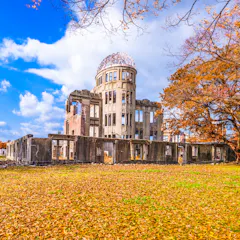
The threat of nuclear war has not diminished, despite the lessons learned from the Hiroshima and Nagasaki bombings in 1945.

British newspapers were very quick to see the horrific potential of this new weapon.

What if there was another nuclear incident in the US? A disaster management scholar looks back at the history of nuclear events to assess the risk.

Seventy-five years after the first nuclear detonation and nearly 30 years since testing was banned, the US is considering resuming live nuclear testing.

Other existential risks include the decline of natural resources (particularly water), human population growth beyond the Earth’s carrying capacity, and nuclear weapons.
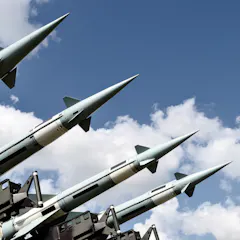
The US could only safely use a fraction of its nuclear stockpile without harming Americans through an environmental event called ‘nuclear autumn.’
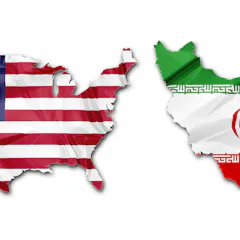
Some of the major events in US-Iran relations highlight the differences between the nations’ views, but others presented real opportunities for reconciliation.
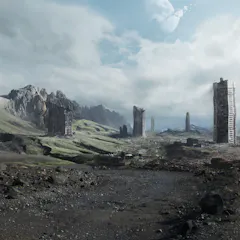
Governments fail to imagine how worst-case scenarios can come about – much less plan for them. But there are things we can do.
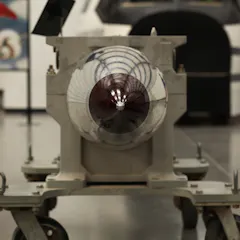
The US has 50 nuclear bombs stored in Turkey. As tensions rise between the two countries, a look at how they got there and what might happen next.
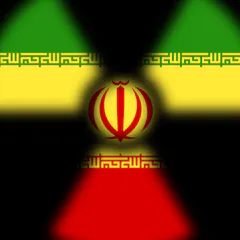
How policy has shifted back and forth since 1945 over the fine line between nuclear energy and nuclear weapons.
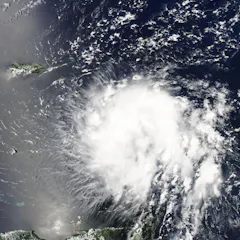
At best, nuking a hurricane will do nothing, and at worst it will spread radioactive fallout around the world.
Nuclear threats are serious – but officials, the media and the public keep a close eye on them. There’s less attention to the dangers of cyberattacks, which could cripple key utilities.
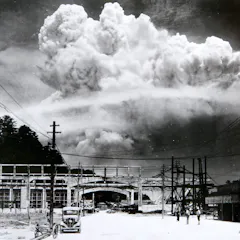
With the risk of a nuclear conflict seeming higher than ever, how much do EU citizens really know about nuclear weapons and their use? A new survey provides striking answers.
Top contributors
-

Honorary Principal Fellow, School of Population and Global Health, The University of Melbourne
-
Online Learning Advisor - Security and International Relations, Swinburne University of Technology
-
Professor of the Practice of Political Science and International Relations, USC Dornsife College of Letters, Arts and Sciences
-
Senior Fellow, James Martin Center for Nonproliferation Studies, Middlebury College
-
Professor in International Relations, Head of Inclusion and Development, Aston University
-
Professor, Department of Politics & International Relations, University of York
-
Professor of International Security & Director of the Queen's Institute for Peace, Security and Justice, Queen's University Belfast
-
Timothy J. Jorgensen is a Friend of The Conversation.
Director of the Health Physics and Radiation Protection Graduate Program and Professor of Radiation Medicine, Georgetown University
-
Simons Chair in Disarmament, Global and Human Security at the Liu Institute for Global Issues, University of British Columbia
-
Professor of International Politics, University of Leicester
-
Lecturer in Peace Studies and International Development, University of Bradford
-
Associate Professor of Physics, The University of Melbourne
-
Visiting Research Fellow, King's College London
-
Assistant Professor, Università di Bologna
-
Professor of International Politics, Clinton Institute, University College Dublin