
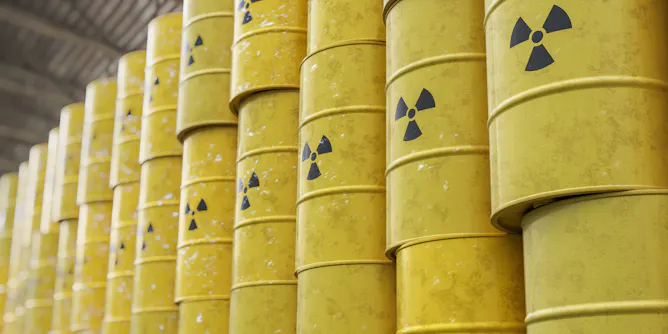
In my ten years working with and researching it, I’ve encountered lots of myths.
Articles on Nuclear waste
Displaying 21 - 40 of 49 articles
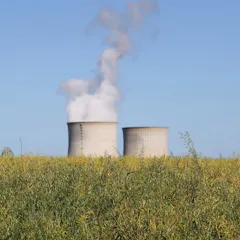
Nuclear energy generates 75% of France’s electricity, and ongoing troubles at the new Flamanville EPR reactor have raised crucial questions about its future in the country’s electricity mix.
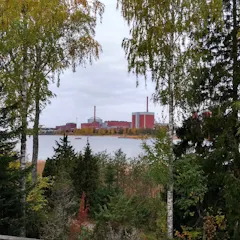
Nuclear waste is dangerous, will outlast our civilisation and needs to be dealt with as safely as possible.
There’s precious little business case for nuclear power in Australia, but we could start with the end product: storing radioactive waste.
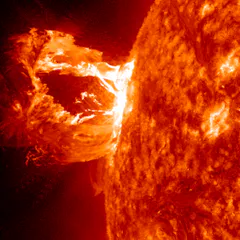
At the end of the day, the problem is that no-one on Earth wants nuclear waste stored near them, and it’s not safe or cost-effective to blast it into space.

For just ten years Antarctica was home to a nuclear power station called “Nukey Poo”.
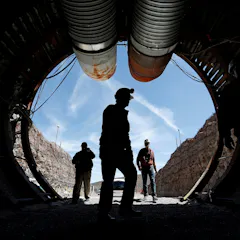
If recent history repeats itself, the proposed repository for extremely dangerous nuclear waste will stay dead.
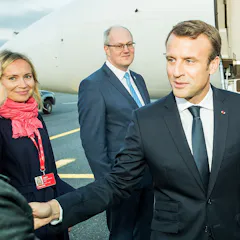
Since his election, Emmanuel Macron has emerged as a man of the “liquid” society, where finance, labour, politics and people shift and flow. What matters is change, not the direction one is taking.
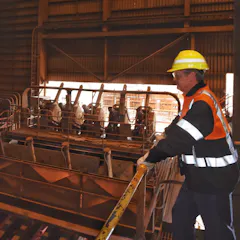
South Australia is facing a whole range of social and economic problems that are forming the perfect storm.
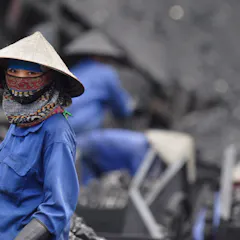
Vietnam recently cancelled it’s plans for the procurement of nuclear energy. There are lessons South Africa can take from this.
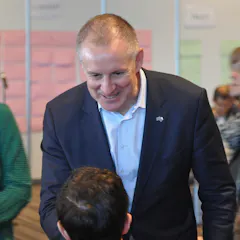
After a Royal Commission and a citizens’ jury, South Australian Premier Jay Weatherill has enough advice to decide on his nuclear waste dump plan. Which makes his decision to hold a plebiscite baffling.
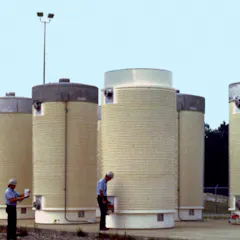
The South Australian royal commission recommended the state investigate a high-level nuclear storage facility. But the costs don’t stack up.
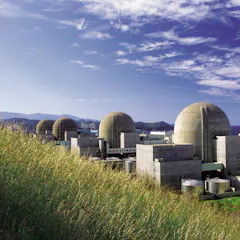
South Australia’s Nuclear Fuel Cycle Royal Commission has recommended a nuclear waste site for the state.
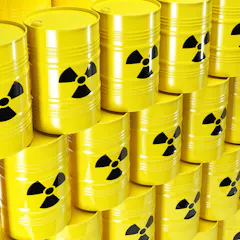
The policy failures behind the upbeat headlines.
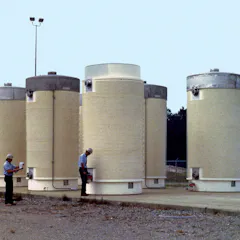
We don’t know how much it would cost to store nuclear waste in Australia - or how much other countries would be willing to pay.
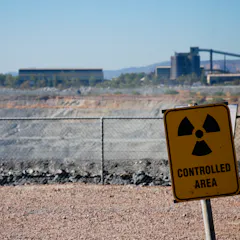
Offering permanent storage for the world’s nuclear waste could open up a huge economic opportunity for Australia.
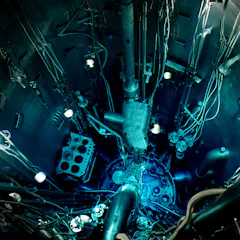
Australia has been trying to construct a new nuclear storage site for the past thirty-five years without success.
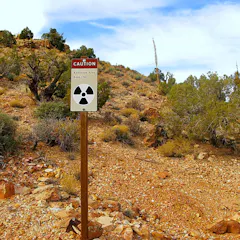
Our natural difficulties in thinking about the future, low probabilities and considering risk make many of our views about nuclear power problematic.
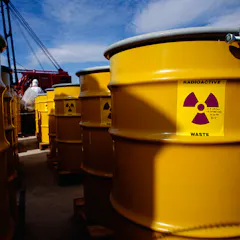
Even the biggest proponents of nuclear power can’t ignore 10,000 metric tons of spent fuel globally every year. What if we could recycle every last atom of nuclear waste?
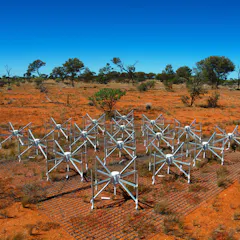
The National Collaborative Research Infrastructure Strategy and Future Fellowships schemes have won a reprieve in this year’s budget.
Top contributors
-

Emeritus Professor, School of Environment and Science, Griffith University
-
Doctoral student, Adelaide University
-
Honorary Associate Professor, UNSW
-
ARC Australian Laureate Professor, University of Tasmania
-
Professor of Geology, University of Edinburgh
-
Honorary professor, Graduate Institute – Institut de hautes études internationales et du développement (IHEID)
-
Director, Australian Industrial Transformation Institute, Flinders University
-
Associate Professor of Chemical Engineering and Materials Science, University of California, Irvine
-
Senior Lecturer, Faculty of Law, Monash University
-
Associate Professor, Adelaide Law School, Adelaide University
-
Secretary for Science Policy at the Australian Academy of Science, and Senior Deputy Vice-Chancellor, UNSW
-
Associate Professor, Université Paris 1 Panthéon-Sorbonne
-
Associate Professor of History, University of Nevada, Las Vegas
-
Honorary Research Associate, University of Cape Town
-
Associate Professor, Social Innovation, CQUniversity Australia