
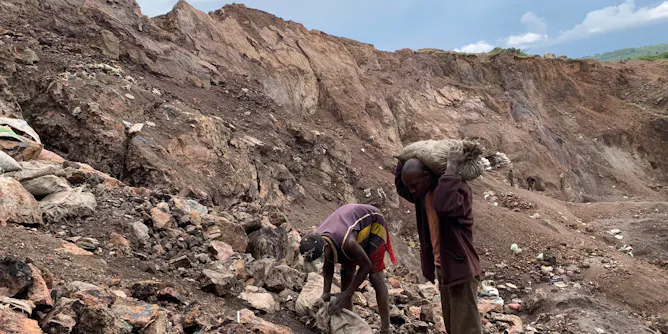
The amount of undeclared uranium from the DRC’s cobalt mines could – if processed – produce enough material for 600-1,500 nuclear weapons.
Articles on Uranium
Displaying 1 - 20 of 65 articles
A strong deal would build in real penalties for going back to war: automatic, reversible costs that fall on anyone who restarts the fighting.

The war in Iran has cut off diplomatic efforts to limit the country’s development of nuclear weapons. Securing that material and equipment in other ways would be difficult and dangerous.
A new map offers a new perspective on the city, revealing the steady, ever-present natural radiation emerging from the ground beneath our feet.
Only 50% of Colorado homes have been tested for radon.
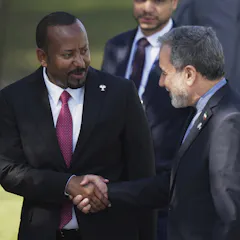
Iran has sought to bolster its economic and security relationships on the continent after a punishing year both at home and in the Middle East.
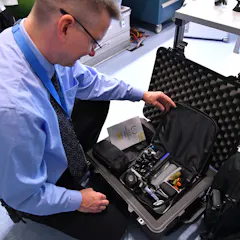
A nuclear engineer explains how the International Atomic Energy Agency monitors peaceful nuclear programs, and why it’s worrisome that Iran stopped cooperating with the IAEA.
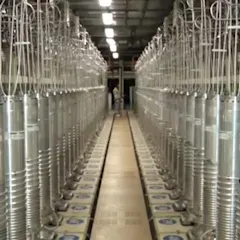
Iran has a long history of enriching uranium in an effort to develop nuclear weapons. It’s not clear how far the US attack set back Iran’s production of bomb-grade uranium.
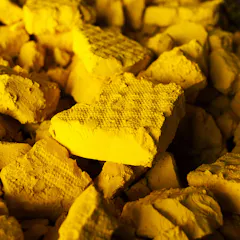
Uranium enrichment concentrates one specific type of the atom to create a substance that can generate massive amounts of energy.
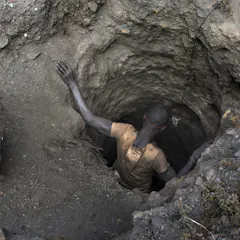
Lubumbashi is little known, but its minerals electrified the world, created atom bombs and are key to greener energy, the defining geopolitical issue of our time.
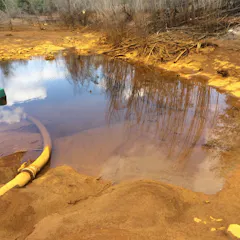
Uncontrolled pollution from hundreds of disused mines has contaminated the water and soil used by Soweto’s urban farmers.

For decades, Australia has sold uranium – but said no to nuclear reactors. That’s set to change, whether in nuclear submarines or even in plans for power plants.

A geopolitical struggle for valuable resources such as uranium is behind the wrangling over Niger.
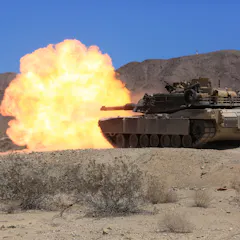
Depleted uranium munitions are bad news for enemy tanks, but are not nuclear weapons, and studies have shown that they pose low risks of radiation or chemical exposure.
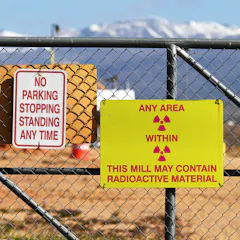
Libya’s lost but found yellowcake poses no significant security risk but highlights the need for African countries to get their acts together in the area of nuclear safety and security governance.
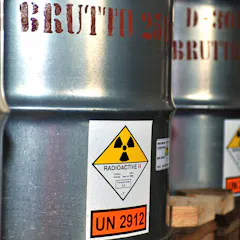
The WA radioactive capsule was discovered within two weeks. But in 1980, when a mine worker was discovered to have stolen 2,200 kilograms of uranium oxide, it had been missing for 3 years.

As the world’s energy crisis intensifies, there’s renewed interest in uranium and nuclear power.
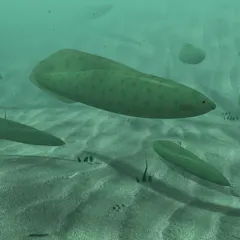
A biologist explains how researchers nail down the age of ancient fossils thanks to a physical process called radioactive decay.

Iran’s pursuit of nuclear weapons centers on producing weapons-grade uranium. Here’s what reports about Iran enriching uranium indicate about its progress toward the bomb.
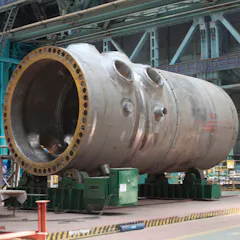
Russia isn’t a major producer of uranium, but it handles a large share of the steps that turn it into nuclear fuel. That makes it a major player in this globalized industry.
Top contributors
-

Associate Professor of Environmental Engineering, RMIT University
-
Emeritus Professor, School of Environment and Science, Griffith University
-
Honorary Research Associate, University of Cape Town
-
Honorary Professor of History, Australian National University
-
Assistant Professor of Law and Director, Environmental and Regulatory Law Clinic, University of Virginia
-
Professor of Nuclear and Radiological Engineering, Georgia Institute of Technology
-
Simons Chair in Disarmament, Global and Human Security at the Liu Institute for Global Issues, University of British Columbia
-
Honorary Professor of International Relations, The University of Melbourne
-
Professor, Business School, University of Sydney
-
Senior Research Fellow, Institute of Commonwealth Studies, School of Advanced Study, University of London
-
Assistant Professor and Canada Research Chair for Radiation Exposure Disease, University of Calgary
-
Professor of Physics, Michigan State University
-
Distinguished Fellow, Australia-India Institute, The University of Melbourne
-
Professor of Science and Technology Policy, SPRU, University of Sussex Business School, University of Sussex
-
Associate Professor, Faculty of Arts, Design and Architecture, UNSW