
In the 1970s, a huge concrete dome was built on Runit Island to cover some 85,000 cubic metres of radioactive waste dumped by the US. It still leaks radiation today.
Articles on Radioactive waste
Displaying all articles
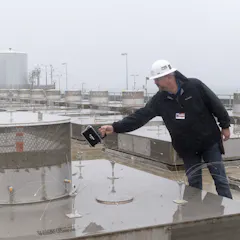
The decades-long struggle to find a permanent place to dispose of nuclear waste will continue, probably for many years to come.

For decades, Australia has sold uranium – but said no to nuclear reactors. That’s set to change, whether in nuclear submarines or even in plans for power plants.

Spent nuclear fuel remains dangerous for so long that languages can disappear and humanity’s very existence cannot be guaranteed. So how do we communicate information about repositories into the future?
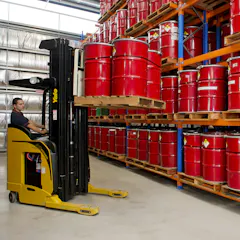
Now that plans for a national radioactive waste management facility near Kimba in South Australia have been abandoned, what next? Let’s learn from our mistakes.
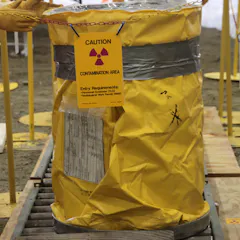
Nuclear weapons production and testing contaminated many sites across the US and exposed people unknowingly to radiation and toxic materials. Some have gone uncompensated for decades.
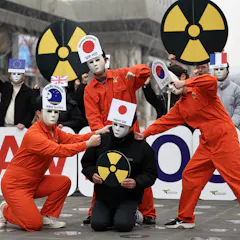
An independent assessment of Japan’s plan to release treated radioactive wastewater into the Pacific Ocean, nearly 12 years after the Fukushima nuclear disaster, finds it safe and reasonable.
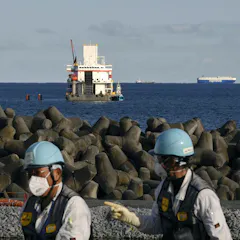
Japan’s Fukushima Daiichi Nuclear Power Plant is set to release radioactive wastewater into the Pacific Ocean – but the cause for concern is minimal.
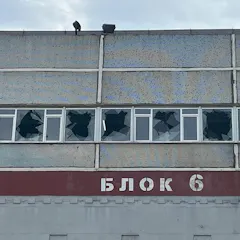
Artillery shelling, stressed-out technicians and power supply disruptions increase the chances of catastrophe at the Zaporizhzhia nuclear power plant, Europe’s largest.
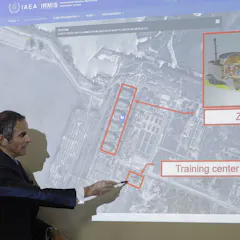
The world held its collective breath as Russian troops battled Ukrainian forces at the Zaporizhzhia nuclear power plant. The battle is over and no radiation escaped, but the danger is far from over.

Experts in nuclear power and nuclear medicine worry that fears of radiation will keep us relying on fossil fuels for longer.
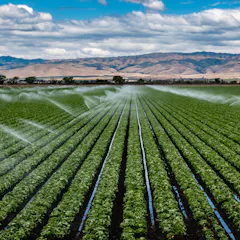
Groundwater is the second-largest store of water on Earth. Governments and industry use groundwater reservoirs to store waste, but it may also have environmental functions that haven’t been revealed.
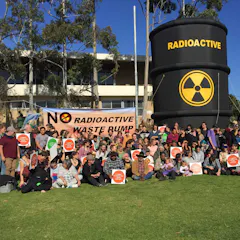
Radioactive waste from nuclear medicine facilities will be trucked to and buried near the South Australian town of Kimba. But this decision still faces a range of hurdles.
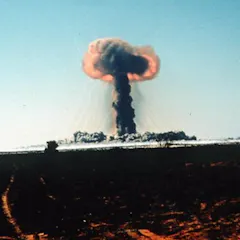
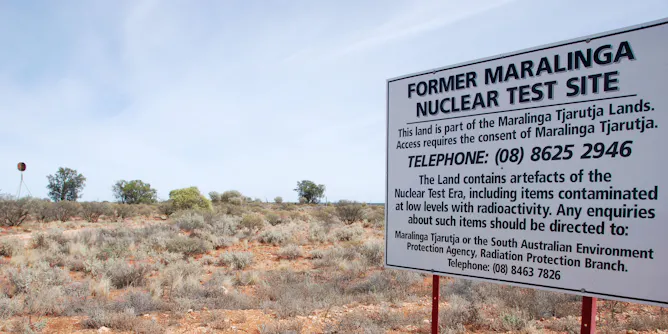
Radioactive pollution left over from British nuclear tests in South Australia may steadily be leaching into the environment.
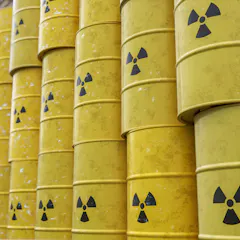
In my ten years working with and researching it, I’ve encountered lots of myths.
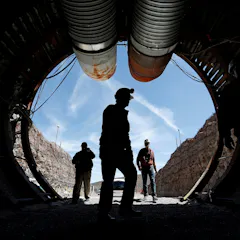
If recent history repeats itself, the proposed repository for extremely dangerous nuclear waste will stay dead.
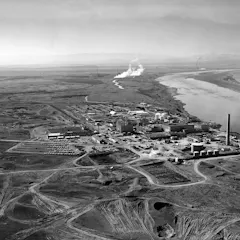
During the Cold War, the US built nuclear weapons at a network of secretive sites across the nation. Some are still heavily polluted and threaten public health today.
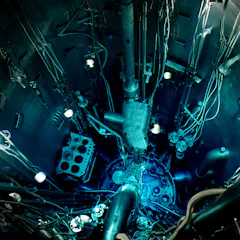
Australia has been trying to construct a new nuclear storage site for the past thirty-five years without success.
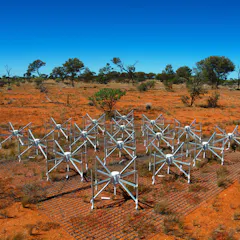
The National Collaborative Research Infrastructure Strategy and Future Fellowships schemes have won a reprieve in this year’s budget.
Top contributors
-

Emeritus Professor, School of Environment and Science, Griffith University
-
Professor of Engineering and International Relations, University of Southern California
-
Professor Emeritus of Communication, North Carolina State University
-
Associate Professor of History, University of Nevada, Las Vegas
-
Professor of Synchrotron Geosciences, Monash University
-
Research Officer, School of Earth, Atmosphere and Environment, Monash University
-
Nuclear Engineering Innovation Fellow, University of Manchester
-
Professor, Department of Hydrology and Atmospheric Sciences, University of Arizona
-
Chair in Molecular Pathology, Imperial College London
-
Ser Cymru Professor of Materials in Extreme Environments, Bangor University
-
Professor, Department of Civil, Geological and Environmental Engineering and School of Environment and Sustainability, University of Saskatchewan
-
Associate Professor, Monash University
-
Professor of Technology and Social Change, Linköping University
-
Associate Professor of Physics, Curtin University
-
Professor of Chemistry, University of Sydney