
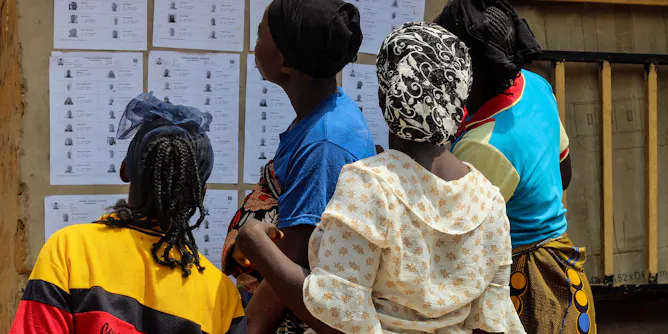
It’s not lack of ambition that keeps young women out of politics.
Articles on Nigeria
Displaying 21 - 40 of 1368 articles

For some people caught in conflict zones, remaining is the choice they feel they can live with.
The current security situation in Nigeria calls for establishment of state police.
A child born into a community with a history of political unrest is at higher risk of abuse as they grow into a young adult.
One of west Africa’s most popular action films speaks to Nigeria’s pressing security issues.

Generative AI’s overemphasis on Western moral concerns could reinforce global disparities in sensitive applications such as public health messaging and global communication.

Youth employment programmes need to be built around real jobs, capable institutions and the young people they are meant to serve.
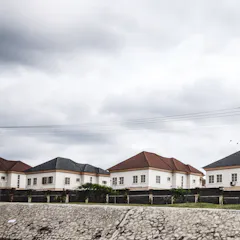
Nigeria’s housing policies have failed to meet the needs of its federal capital residents.
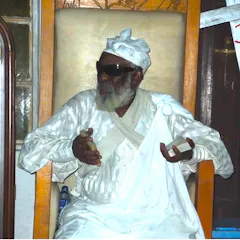
To secure health and wealth, many people combine elements from different religious traditions. One such movement is Chrislam.
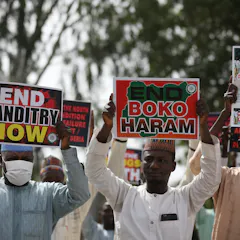
Banditry is widespread in Nigeria but knowledge about its character and nature is limited.
When armed groups use child recruitment or sexual violence, the impact of conflict on schooling is much more severe than in conflicts without these tactics.

Understanding what drives recruitment into these academies is not a defence of fraud. It is a precondition for dismantling it.
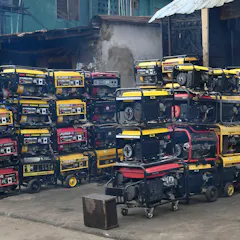
Nigeria’s electricity consumers are not simply paying for power, but for a system’s failure to deliver it.

Assessments are often treated as culturally neutral when they are not.
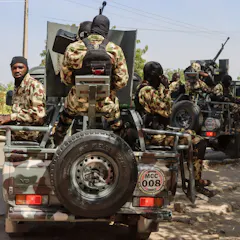
Located in the same Sahel region and threatened by similar jihadist insurgents, Nigeria has some lessons to learn from Mali.

Weak surveillance and climate change could allow deadly hantaviruses to spread unnoticed across African countries, raising the risk of future outbreaks.

Floods regularly devastate Lagos’s informal workers, but traders and residents have built their own systems to adapt where the state has failed.

Nigeria’s government must invest in digital infrastructure to reduce corruption in its budget.
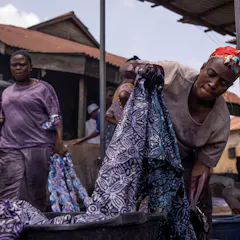
Childcare responsibilities, housing access and regional cultural norms influence where Nigerian women work.
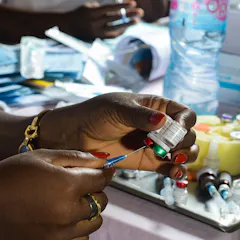
Malaria is still endemic in Africa.
Top contributors
-

Professor of Economics & Business, Allegheny College
-
Professor of Sociology (Criminology, Victimology and Security Studies), University of Ibadan
-
Reader (Associate Professor) Department of Political Science, Federal University of Lafia, Nigeria, Federal University Lafia
-
Fellow, Nigerian Academy of Science
-
Research Fellow, Obafemi Awolowo University, Regional Coordinator, Institute for Security Studies
-
Economist and Postgraduate Supervisor, University of Lancashire; Keele University
-
Professor of World Politics, SOAS, University of London
-
Associate professor in Politics and International Relations, Leeds Beckett University
-
Lecturer in Political Economy of Violence, Conflict and Development, SOAS, University of London
-
Executive Secretary, Nigerian Academy of Science
-
Senior Research Associate, Institute for Environment and Human Security (UNU-EHS), United Nations University
-
Researcher, Centre for Peace and Security Studies, Modibbo Adama University of Technology
-
Professor, Obafemi Awolowo University
-
Professor, Obafemi Awolowo University
-
Professor of Demography and Social Statistics., Obafemi Awolowo University