

Dan Rather anchored the ‘CBS Evening News’ for over 20 years, starting on March 9, 1981. But he always seemed more in his element as a reporter, and now as a news analyst on social media.
Articles on news reporting
Displaying all articles

Media rituals based on reporting numbers and trends help us talk about complex issues using simple measures of progress or decline.

As artificial intelligence is incorporated into more newsrooms, journalists must ensure they use AI with transparency so that it does not undermine their credibility.

Legacy newsrooms have lost their audiences. Could a radical transformation in how they practice journalism make the industry relevant again?

With stretched resources and insatiable demand for content, Australian media will have a difficult job covering the next federal election. But they must strive for “proactive impartiality”.
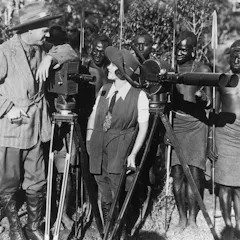
African news media have continued many of the damaging norms of how western media report on the continent. It’s time for a rethink.

Our society needs to talk more openly about suicide. However, public discussion of suicide carries risks, and it’s crucial that such discussion be informed, sensitive and alert to potential harm.

New research examines 25 years of newspaper reporting of teachers and finds consistent evidence of “teacher bashing”.
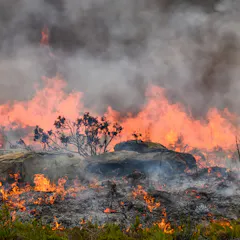
Fire must be allowed to play its natural role.

Journalists are better at covering the climate crisis but there’s still room for improvement.

Media reporting often unfairly stigmatises people with mental illness and promotes the stereotype that mental illness causes violent behaviour. New guidelines offer tips for more responsible reporting.

The freedom of the press is important, and of course it must be protected. But the freedom of everybody else and of ordinary citizens is also important.
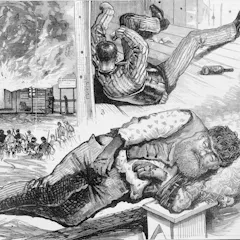
Four reporters joined the showdown with the Kelly gang 140 years ago. They became part of the story and set the tone for a legend.

To survive in 19th-century newsrooms, reporters would have to hustle to get by, even if it meant producing fakes, staging events and sharing work with reporters from competing newspapers.

A new study explores the state of an industry that’s tapping creative revenue streams and incorporating new tools to engage with readers.
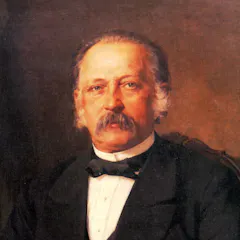
Theodor Fontane was a German newspaper’s England correspondent – who reported ‘from’ London without leaving his Berlin desk.

Risk has to do with uncertainty; people struggle to conceptualise and manage that which they’re unsure about. This is true in the higher education sector, too.

With an explosion of media outlets that don’t adhere to mainstream journalistic standards, it’s became difficult for readers to know whether to trust reports based on unnamed sources and leaks.

People who read false news items come to believe them – even if they know better. It doesn’t help to know the source is unreliable or the report has been debunked.

Violence against women is a national priority, and Aboriginal women are disproportionately affected. This must be reported on appropriately in the media.
Top contributors
-

Associate Professor of Communication, Texas A&M University
-
Assistant Professor of German Studies, Dartmouth College
-
Carolyn S. Chambers Professor in Journalism, University of Oregon
-
Associate Professor of Psychology, Vanderbilt University
-
Director, Center for International Media Law and Policy Studies, Indiana University
-
Executive Director, The University of Melbourne
-
Manager Centre for Applied Risk Management (UARM) and Associate Professor Risk Management, North-West University
-
Professor of Education, University of Sydney
-
Senior research scientist, Stellenbosch University
-
Chair of the Department of Psychiatry and Behavioural Neurosciences, McMaster University
-
Reader/ Associate professor in Media Psychology, University of Salford
-
Research associate, Stellenbosch University
-
Honorary Senior Research Fellow, The University of Melbourne
-
Science Communication Researcher, Stellenbosch University
-
Research Fellow in Mental Health, The University of Melbourne