

Despite advances in neuroscience, the underlying biology of mental illness has remained elusive. The DSM-6 will attempt to integrate neurobiology into how clinicians diagnose and treat psychiatric conditions.
Articles on Neuropsychiatry
Displaying all articles

Long COVID isn’t purely a biological problem; it’s a human one, shaped by both physiology and lived experience.
Deep brain stimulation can help some people with treatment-resistant depression feel better, but it can be unclear whether a bout of low mood is a relapse or a bad day.

This rare procedure is offered by only a handful of centers in the US and around the world and should be used only when less invasive treatment options for OCD have been tried.

As with COVID, monkeypox may do more damage than initially thought. A new study looks at the evidence for neurological damage.

Healthy eating is not just what you eat, but when you eat. Eating rhythms that are in sync with the circadian clock can benefit general well-being and may have a protective effect against mental illness.
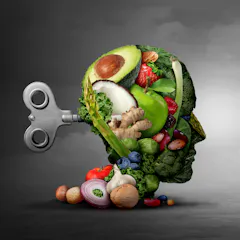
Ultra-processed foods high in sugar, fat and empty carbs are bad for the mind as well as the body. Lack of micronutrients affects brain function and influences mood and mental health symptoms.

Alternate realities don’t just exist in politics – and not all falsehoods are lies. Distortions of the truth can range from a normal part of human nature to pathological.
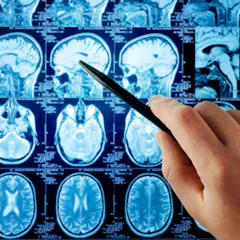
Brain damage is caused by persistent depression rather than being a predisposing factor for it, researchers have finally concluded after decades of unconfirmed hypothesising.
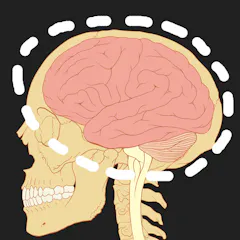
In the latest instalment of our series Biology and Blame Micol Seigel poses some important questions about the assumptions behind the legal use of fMRI. Of the current uses of psychiatry in legal settings…
Top contributors
-

Associate Professor in American Studies & History, Indiana University
-
Emeritus Professor of Psychiatry, Lecturer on Bioethics & Humanities at SUNY Upstate Medical University; and Clinical Professor of Psychiatry, Tufts University School of Medicine; Editor-in-Chief Emeritus, Psychiatric Times., Tufts University
-
Scientia Professor & Head of the School of Psychiatry, UNSW
-
Co-Director, Health and Policy, Brain and Mind Centre, University of Sydney
-
Director School of Medicine and Psychology, Australian National University
-
Professor, Department of Psychiatry, Queen's University, Ontario
-
Professor of Psychology, University of Canterbury
-
Professor of Electrical and Computer Engineering, Georgia Institute of Technology
-
Professor of Psychiatry, University of Colorado Anschutz
-
Killam Postdoctoral Research Fellow, Dalhousie University; Queen's University, Ontario
-
Professor Emerita, Cumming School of Medicine, University of Calgary
-
Research Scientist in Electrical and Computer Engineering, Georgia Institute of Technology
-
Academic Foundation Doctor, Queen Mary University of London
-
Associate Professor, Unit Head and also serves as Head of the Division of Allergology and Clinical Immunology at Groote Schuur Hospital, University of Cape Town
-
Professor and Department Head of Psychiatry, University of Illinois Chicago