

An in-ear device could help detect the early signs of Alzheimer’s and Parkinson’s, well before symptoms appear.
Articles on Neuropsychology
Displaying 1 - 20 of 39 articles

For many adults, anxiety may be the only visible symptom. When it fades, underlying ADHD, which may have been masked for years, finally becomes clear.

A unique window into how an overactive brain amplifies the patterns we see in the world.

Public squares, secret gardens and offbeat cafes can offer respite and a sense of community connection, which contribute to happiness.

Your brain processes the pleasure of everyday behaviors like eating and drinking similarly to the pleasure of using drugs. Disentangling them requires understanding how memories are formed.

Novelty primes your brain to learn, while links with existing knowledge make memories stick.

Elite athletes are known to be tough-minded. Research reveals openness is also a key personality trait, one that allows them to execute creative, unscripted plays.
Human psychology is influenced by a complex network of genes and environmental factors. Studying how and when genes fail to cooperate could broaden our understanding of behavior.

Synchronizing your daily activities to your circadian rhythm could help you improve your performance on a variety of cognitive tasks − and even influence diagnosis of cognitive disorders.
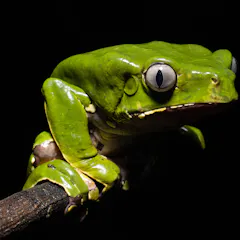
People have died after taking the banned frog secretion Kambô, and even when things go right there’s a lot of vomiting.

With most social media users logging in at least once a day, and one-third of teens using these apps almost constantly, it raises the issue of whether social media is hurting our attention abilities.

A new neuropsychology study on California wildfire survivors found chronic cognitive problems in addition to anxiety and PTSD.

Cannabis use is linked to poorer memory, attention and mental health.
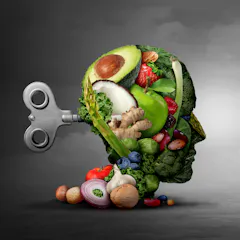
Ultra-processed foods high in sugar, fat and empty carbs are bad for the mind as well as the body. Lack of micronutrients affects brain function and influences mood and mental health symptoms.

New research points to a biological way that racism can lead to health disparities.

If you can “hear” colours or “taste” words then your brain is being activated in unusual ways.

You might need to visit a few therapists to find one you can connect and engage with. If cost or access are issues, you might even like to go online.

Providing teachers with training in crisis intervention is one short-term strategy to help them meet the increasingly complex needs of students.

10% of people are left-handed but we still haven’t uncovered how this changes the way their brains work.

Have you ever walked into a room and realised you can’t remember what you were looking for? We tend to do this more when we are thinking of a few things at once or doing two things at the same time.
Top contributors
-

Postdoctoral research fellow, University of Birmingham
-
Professor of Clinical Psychology, University of Liverpool
-
Professor of Neuropsychology, Drexel University
-
ARC Future Fellow and Associate Professor of Cultural Studies, The University of Queensland
-
Professor, Southern Cross University
-
Associate Professor of Psychology, Drexel University
-
Senior Lecturer (Adjunct), Nutritional neuroscientist, Adelaide University
-
Associate Professor in Psychological Science, Western Sydney University
-
Visiting/Conjoint Professor of Psychology and Medical Sciences, UNSW & NHMRC Australia Fellow, Neuroscience Research Australia
-
Researcher in Brain Imaging, Imperial College London
-
Lecturer, Bangor University
-
Associate Professor in Linguistics, Macquarie University
-
Lecturer in Psychology, Goldsmiths, University of London
-
Senior Lecturer in Psychology, University of Sussex
-
Emeritus Robert Reford Professor and Professor of Medicine, McGill University