
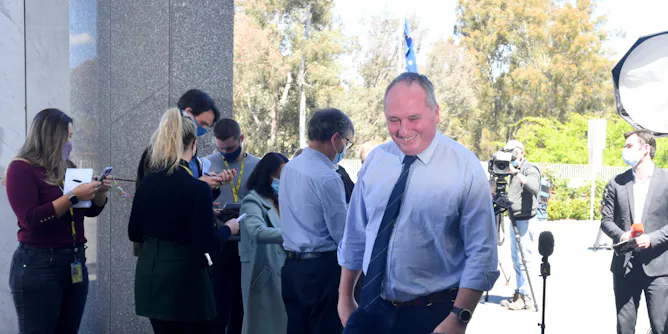
As Scott Morrison confirms that he will attend the Glasgow climate conference, Nationals Leader Barnaby Joyce has killed the prospect of the party agreeing to a new 2030 emission reductions target.
Articles on Net zero emissions by 2050
Displaying 101 - 120 of 149 articles

The United Nations climate summit in Glasgow next month is the first real test of whether the world can limit global warming below catastrophic levels.

Removing carbon from the atmosphere is as much a social problem as a technical one.

Nationals’ concerns about the effects on regional Australia are legitimate, but greater forces in favour of a net-zero emissions target will likely push the policy over the line.

The world is a much better place for the extra carbon being absorbed by forests, but it can never entirely offset emissions.
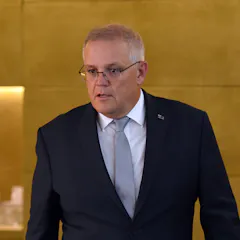
Reaching net-zero emissions will require intense policy focus, private investment and clear accountability – conditions only a firm numerical target can provide.
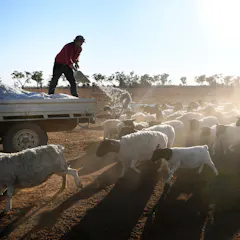
Some Nationals want agriculture carved out of any net-zero target. Cutting emissions from farms won’t be easy, but it’s essential.
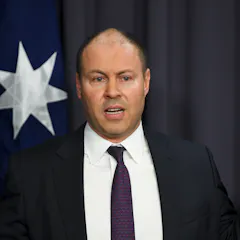
Treasurer Josh Frydenberg will prepare the way for Scott Morrison to take a target of net zero emissions by 2050 to Glasgow, when he warns on Friday capital inflow will be at risk if Australia is seen as a climate laggard.
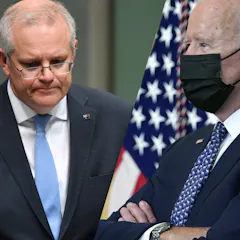
In the lead-up to the climate conference in Glasgow, and with increasing pressure from the Biden administration, Scott Morrison finds himself beset by the limited flexibility of the Nationals on climate policy.
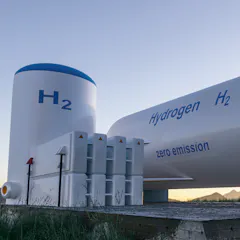
The UK government claims hydrogen could meet one-third of the country’s energy demand by 2050.
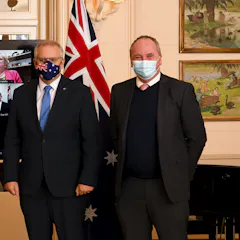
Barnaby Joyce on net zero 2050, a coal-fired power station – and how resources is (sort of) in cabinet
Michelle Grattan discusses net zero 2050, coal power, regional women, and the Nationals' new cabinet with Deputy Prime Minister Barnaby Joyce

At the end of the day, net-zero by 2050 is a risky and inadequate goal, especially for wealthy nations such as Australia.
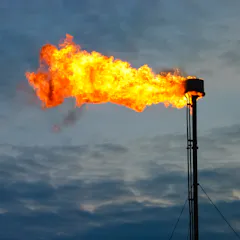
Rhetoric is hardening, but government policies still honour the special relationship with fossil fuels.
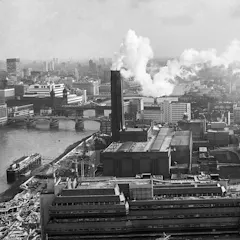
Countries that industrialised early will still have a massive ‘carbon debt’ to repay.

New UK-wide trials aim to discover the best ways to suck carbon from the air.
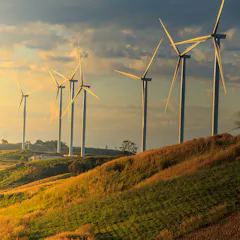
The opportunity won’t last forever. Countries that move first will gain an advantage in new industries, technologies and export markets. Those that wait may never catch up.
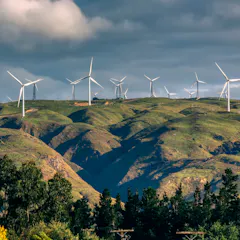
Vested interests have lobbied against climate policy worldwide, but that’s only one reason for the slow political response. While most people want climate action, they rank other issues as more urgent.
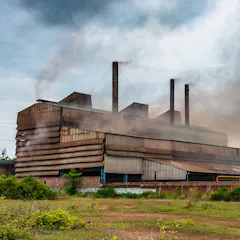
Countries cannot be expected to all tread the same path to net zero emissions.

It may seem a long way away, but meeting targets in 2035 demands taking action today.

Hydrogen isn’t very efficient, but it fits many business models.
Top contributors
-

Professorial Fellow, University of Canberra
-
Professor of Physical Climate Change; Director of the Priestley Centre for Climate Futures, University of Leeds
-
Adjunct Professor of Transport, University of Technology Sydney
-
Professor Emerita, Department of Biological Sciences, Macquarie University
-
Former Visiting Fellow, SPRU, University of Sussex Business School, University of Sussex
-
Climateworks Centre Country Lead, Australia, Monash University
-
Senior DECRA Research Fellow, The University of Melbourne
-
Emeritus Professor, Fenner School of Environment & Society, Australian National University
-
Associate, Grattan Institute
-
Associate Professor in Property, The University of Melbourne
-
James Martin Fellow, Oxford Martin School, Environmental Change Institute and Institute for Science Innovation and Society, University of Oxford
-
Honorary Senior Lecturer in Chemical Engineering, University of Aberdeen
-
Professor of Advanced Building Design, University of Hertfordshire
-
Head of Atmospheric, Oceanic and Planetary Physics, University of Oxford
-
Climateworks Centre CEO, Monash University