

Force oil and gas companies to dispose of a tonne of CO₂ for every one they emit.
Articles on Net zero emissions by 2050
Displaying 61 - 80 of 149 articles

Engineered wood is a sustainable alternative to cement and steel in construction.

The government is now assured it will secure its legislation to enshrine its 43% 2030 emissions reduction target, after Greens leader Adam Bandt pledged his party would support it in both houses.

Michelle Grattan speaks to the Grattan Institute's Tony Wood about the factors that have lead to the crisis, previous governments' failure to plan for transition to renewable sources and the way out.
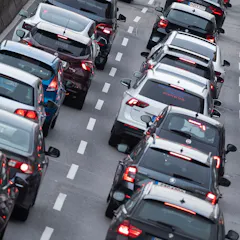
The New Zealand government has set the goal of net zero by 2050 but to get there, New Zealanders will need to let go of our big cars and embrace smaller options.
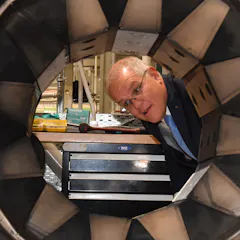
It wouldn’t be a modern Australian election campaign without the words “carbon tax” being thrown around.So lets clear a few things up.

University of Canberra Professional Fellow Michelle Grattan and University of Canberra Associate Professor Caroline Fisher discuss the week in politics
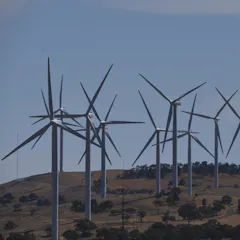
“The world has moved past Matt Canavan,” David Littleproud declared on Wednesday, tossing his colleague and former resources minister firmly under the bus as the “climate wars” exploded within the Coalition
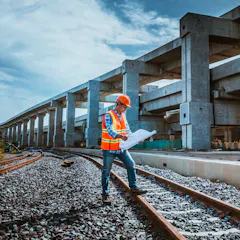
Behind the government’s net zero bluster there has been little progress in decarbonising the UK.
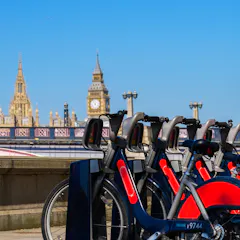
Plan to cut emissions quickly, use offsets sparingly and set broader goals for improving society.
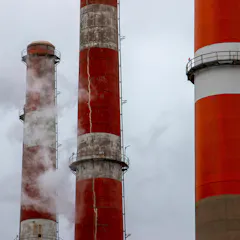
Soaking up and storing CO₂ is not just a question of technology.

Labor has released their much anticipated “Powering Australia” climate policy, committing to reduce emissions by 43%.
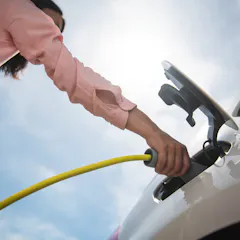
Australians are ready to embrace electric vehicles - but an emissions ceiling would speed up the transition dramatically.
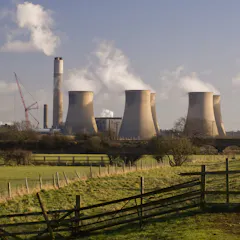
Workers, not objects, make up most of the capital at risk from climate change.
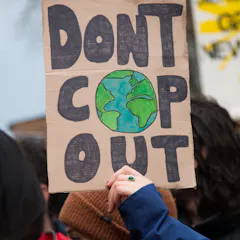
Strengthen commitments to reduce emissions by 2030, redouble efforts to raise climate finance and junk fossil fuel subsidies.
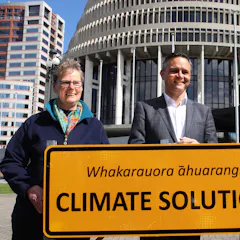
New Zealand’s international pledges, domestic laws and carbon budgets run on different timelines. They could be better aligned to make sure everyone understands how Aotearoa plans to cut emissions.

Canada must move away from using fossil fuels, but a transition that comes too fast could harm the economy. Policy-makers must strike a balance between energy security and economic growth.
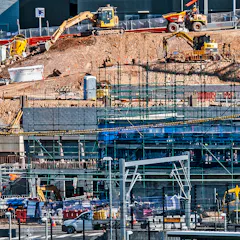
We must take significant and rapid action now, to ensure cities play their part in limiting dangerous global warming and withstand the climate challenges ahead.

Subsidies could help kickstart cost cutting and innovation in this prohibitively expensive industry.
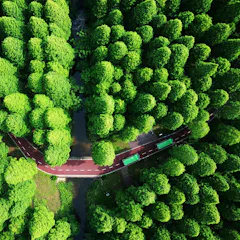
Yes, trees and soils can absorb and store carbon, but the carbon doesn’t stay stored forever. That’s one of the problems with how net-zero plans for the climate are being designed.
Top contributors
-

Professorial Fellow, University of Canberra
-
Professor of Physical Climate Change; Director of the Priestley Centre for Climate Futures, University of Leeds
-
Adjunct Professor of Transport, University of Technology Sydney
-
Professor Emerita, Department of Biological Sciences, Macquarie University
-
Former Visiting Fellow, SPRU, University of Sussex Business School, University of Sussex
-
Climateworks Centre Country Lead, Australia, Monash University
-
Senior DECRA Research Fellow, The University of Melbourne
-
Emeritus Professor, Fenner School of Environment & Society, Australian National University
-
Associate, Grattan Institute
-
Associate Professor in Property, The University of Melbourne
-
James Martin Fellow, Oxford Martin School, Environmental Change Institute and Institute for Science Innovation and Society, University of Oxford
-
Honorary Senior Lecturer in Chemical Engineering, University of Aberdeen
-
Professor of Advanced Building Design, University of Hertfordshire
-
Head of Atmospheric, Oceanic and Planetary Physics, University of Oxford
-
Climateworks Centre CEO, Monash University