
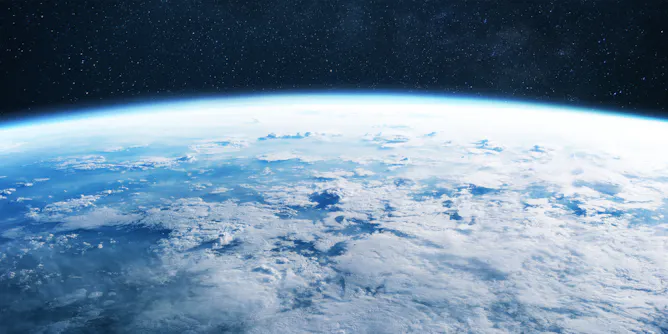
Alarmingly, Earth’s climate will change for many centuries to come. But we must still push to reach net-zero emissions as quickly as possible.
Articles on net-zero emissions
Displaying 1 - 20 of 27 articles

Producing energy from harvested trees and other plants – bioenergy – might sound like a greener option, but it’s not a simple issue.
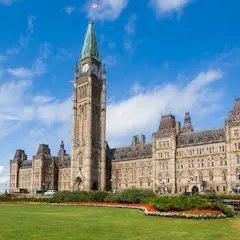
We must resist the temptation to go for a weak 2035 target and use the public consultation process to think creatively about how the net-zero transition can be both transformational and fair for all.
Four years after being made redundant, workers in coal-fired power stations made redundant make only one half of what they used to.
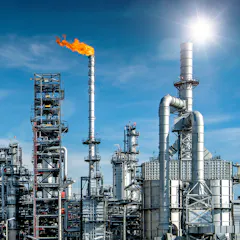
The 142 fossil fuel producers collectively exceeded the limits on coal, gas and oil production required to achieve the Paris Agreement goals by between 63% and 70%.

Reducing greenhouse gases is expensive, but it’s a great investment compared to the damage we can expect to the Canadian economy if the climate warms 5 C by 2100.
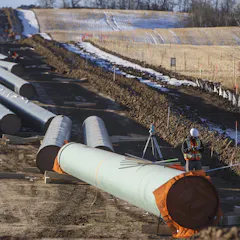
The recently released Emissions Reductions Plan aims to put Canada on track to reduce emissions by up to 45 per cent from 2005 and reach net-zero emissions by 2050. It will do neither.
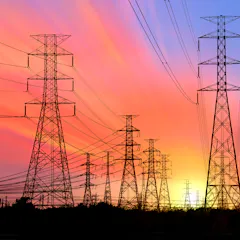
Australia could use about 7,000 terawatt-hours of solar and wind generation per annum to make a sizeable contribution to cutting global emissions – about 27 times its current electricity output.
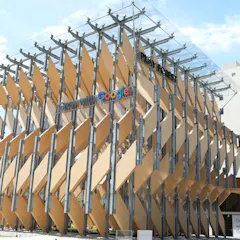
As more companies feature wood and other bio-based products in their offices, what are opportunities and limitations of making corporate net-zero carbon pledges about building materials?
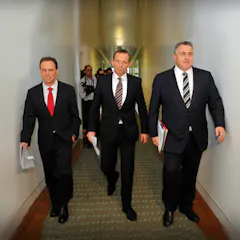
Greg Hunt is best known as Australia’s health minister. But before that he spent years thinking about mechanisms to get emissions down – and if elected, Labor plans to road test the one he introduced.

Forestry is a surprising winner in detailed projections prepared by Victoria University. Queensland has the most to lose from a move to net-zero.

Most of the $2,000 per year increase in income by 2050 is due to the success of a new hydrogen industry.
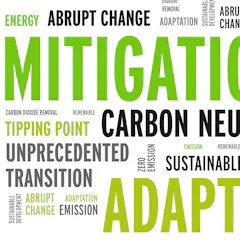
The language around climate change can feel overwhelming. A psychology and public policy expert breaks it down in plain English.
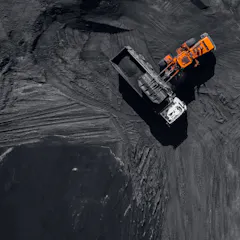
The brutal arithmetic behind the prime minister’s carbon reduction plan leaves no place for coal.
Philanthropy played an important role in the development of international air travel.
The Nationals have tried to link the UK energy crisis to its net-zero climate target. But as an expert advisor to the International Energy Agency tells us, the two are unrelated.
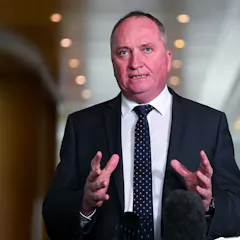
Scott Morrison will announce a deal, but not until the details, heavy with technology and trade offs and pay offs, are sorted with Joyce.
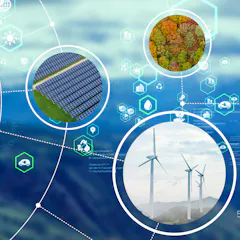
A growing number of countries and companies have pledged to reach net-zero emissions by 2050 or earlier. But there’s a catch – they still plan to keep emitting greenhouse gases.

Rather than considering the job done, Tasmania should seize opportunities including renewable energy, net-zero industrial exports and forest preservation.
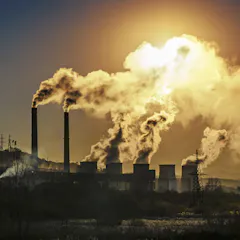
Humanity can still limit global warming to 1.5°C this century. But political action will determine whether it actually does. Conflating the two questions amounts to dangerous, misplaced punditry.
Top contributors
-

Visiting Fellow, Crawford School of Public Policy, Australian National University
-
Professor, School of Economics, The University of Queensland
-
climate campaigner
-
Professeur titulaire (constitutionnel, municipal, environnement, droits humains), L’Université d’Ottawa/University of Ottawa
-
Full Professor, Faculty of Law, L’Université d’Ottawa/University of Ottawa
-
Director of Research and Lecturer - Grantham Institute Climate Change & the Environment, Imperial College London
-
Professor, Crawford School of Public Policy, Australian National University
-
PhD Student, Global Governance program at the Balsillie School for International Affairs, University of Waterloo
-
Assistant Professor, Lincoln Alexander School of Law, Toronto Metropolitan University
-
Professor of Physical Climate Change; Director of the Priestley Centre for Climate Futures, University of Leeds
-
Canada Research Chair, Climate Change, Energy and Sustainability, University of Regina
-
Professor of Industrial Engineering & Assistant Vice-President, International, Toronto Metropolitan University
-
Professor of Energy Policy, Member of Fuel Poverty Evidence and Trustee of the Fuel Poverty Research Network, Sheffield Hallam University
-
Director, Queen's Institute for Energy and Environmental Policy, Queen's University, Ontario
-
Senior Fellow, Centre for Free Expression, Toronto Metropolitan University; York University, Canada