

The United Nations Framework Convention on Climate Change and its Convention on Biological Diversity are separate platforms, but climate change and biodiversity loss urgently require a joint approach.
Articles on nature-based solutions
Displaying 21 - 40 of 43 articles
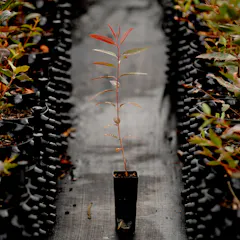
Nature can provide solutions to problems such as biodiversity loss and climate change. But the best nature-based solutions are resilient to disturbance such as fire or drought and future change.

With the climate heating up rapidly, African cities must green every space to cool down and absorb more rain water, minimising floods. Nature-based solutions can make a huge difference.

Ontario’s recent flooding reminds us of the fragility of our buildings and infrastructure, and the importance of nature-based solutions in designing more resilient communities.
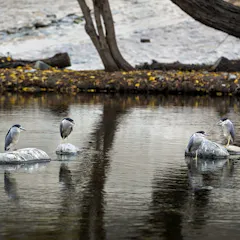
Even in a concrete jungle like Los Angeles, wild species show up in surprising places. New research identifies the types of wildlife that best tolerate urban development.
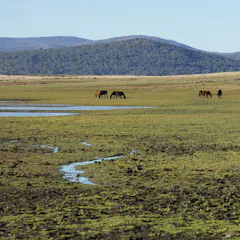
When it comes to storing carbon, alpine peatlands are powerhouses. But feral horse grazing and trampling tips the carbon balance in the other direction. We need to protect and restore our peatlands.

Blue carbon is stored in mangroves, seagrass and sediments. Discussions at the UN Ocean Decade conference reiterate the importance of preserving existing sea floor habitats, before it’s too late.
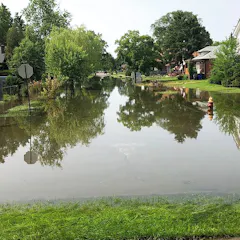
Mapping where water once flowed is important for managing flood risk today in Detroit and elsewhere.
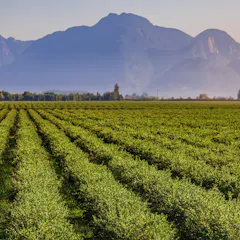
In the face of growing social and environmental challenges, organizations in the food and agriculture sector are increasingly turning to nature for inspiration.

Too much stormwater is disappearing down the drain. Here’s how our cities can make more of their last untapped water source.

Less concrete, more wetlands, fewer wet wipes.

Booming prices for coastal properties are a mark of our reluctance to reckon with the climate change that is already upon us. We must start to properly account for and act on climate risk.
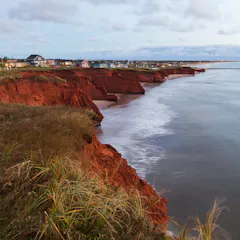
Coastal erosion along the St. Lawrence River has economic, social and cultural impacts.
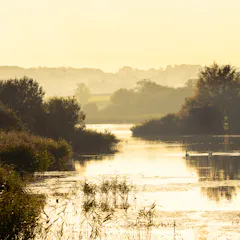
Somerset Wetlands national nature reserve merges and extends six existing protected sites.

Canada’s greenhouse gas emissions decreased by only one per cent between 2005 and 2019. A new climate plan charts the path to deep cuts in carbon emissions in only eight years.
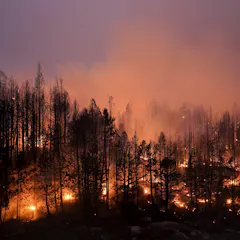
Planting trees and preventing deforestation can store carbon in nature, but the effect may only be temporary. If we also eliminate emissions from fossil fuels, even this temporary effect is important.
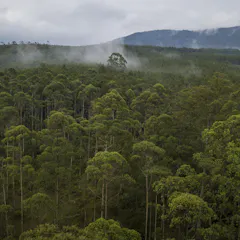
Management in the forestry and land use sector could reduce 60% of the entire nation’s carbon emissions.
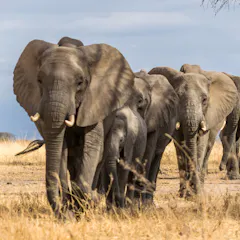
Efforts to preserve biodiversity and slow climate change make natural bedfellows.
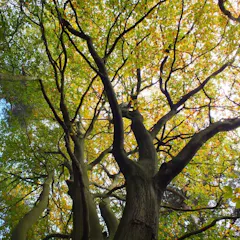
Nature-based solutions can help us sustainably tackle climate disasters - but to do that, they urgently need policy support.
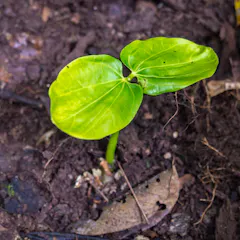
Secondary forests are growing on deforested land in the Amazon – but not enough to offset emissions from logging.
Top contributors
-

Adjunct Assistant Professor in Global Change Ecology, Aarhus University
-
Professor in Natural Sciences, Bangor University
-
Researcher in Nature-based Solutions, University of Oxford
-
Professeur adjoint, hydrodynamique côtière et fluviale, Institut national de la recherche scientifique (INRS)
-
Research Associate in Water and Environmental Engineering, Queensland University of Technology
-
Affiliate Professor, Geography, Planning and Environment, Concordia University
-
Senior Lecturer, Environmental Soil Science, RMIT University
-
Researcher in Nature-based Solutions, University of Oxford
-
Professor of Biodiversity, Smith School of Enterprise and Environment and Department of Biology, University of Oxford
-
Distinguished Professor of Climate Science, Simon Fraser University
-
Professor of Geology, University of Michigan-Dearborn
-
PhD candidate, Africa Center of Excellence for Climate Smart Agriculture and Biodiversity Conservation. His research focuses on transfromative change pathways (Data science for climate resilience, Geography, Biodiversity, and Urban mobility), Haramaya University
-
Research Project Manager at the Alliance Bioversity and International Center for Tropical Agriculture, CGIAR and Associate Professor of Production Ecology and Resource Conservation, CGIAR
-
Professor of Political Science, University of British Columbia
-
Assistant Professor of Strategy and Sustainability, University of The Fraser Valley