

Manufacturing minerals is an expanding field of study. Making more of them could help alleviate various pressures faced by our growing population. But how are they made, and where can they be used?
Articles on Natural resources
Displaying 41 - 60 of 79 articles
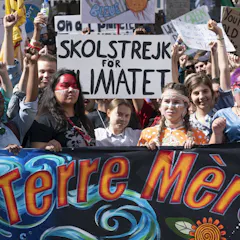
Economic growth and climate change are related. It is time to question the economics and foster discussions about the hard decisions we must make.
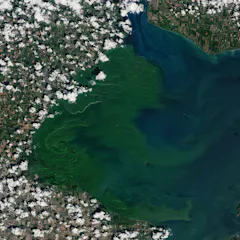
Should lakes, rivers and other resources have legal rights? New Zealand, Ecuador and other countries have taken this step. Now Toledo, Ohio is a US test case.
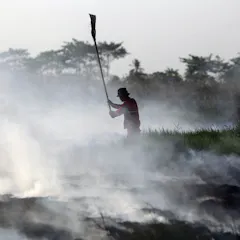
July 29, 2019 is ‘Earth Overshoot Day,’ a date coined by the nonprofit Global Footprint Network to publicize overuse of Earth’s resources. But their estimates may actually understate the problem.
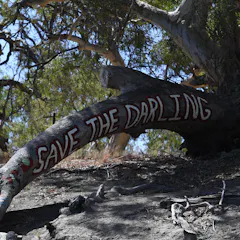
The Murray-Darling Basin might not survive future climate change shocks without changes to the plan.

How does reporting on the environment promote democracy? A US journalism professor describes conditions in the republic of Georgia, where the media isn’t equipped to cover issues like pollution.
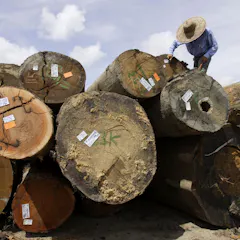
In a global economy, passing laws to conserve forests, fisheries or other natural resources can simply shift demand for those goods to other countries or regions where they aren’t as well protected.

Prabowo Subianto spoke in normative terms and failed to criticise Joko Widodo’s work.

African economies could benefit more from backward linkages to the mining industry than from beneficiation.

If we continue to shut Indigenous communities out of the modern economy, critical infrastructure projects will continue to be delayed and natural resources will remain stuck in the ground.
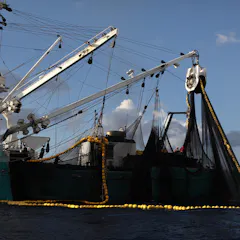
August 1, 2018 is ‘Earth Overshoot Day,’ a date coined by the nonprofit Global Footprint Network to publicize overuse of Earth’s resources. But their estimates actually understate the problem.
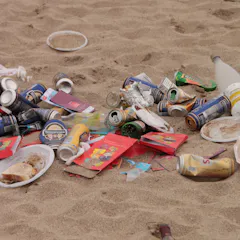
What would you pay to keep trash off your favorite beach, or pollution away from a national park? Economists can tease these values out of our travel choices and use the numbers to help make policy.
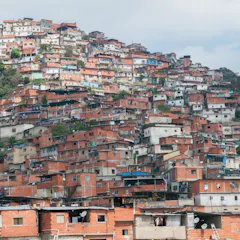
The global population is climbing faster and faster. What will this mean for future generations?
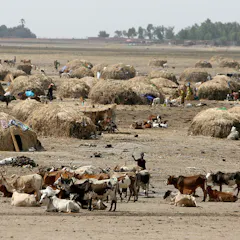
A big rise in armed attacks in the Sahel - and the intensity of the attacks in recent years - is now seen as a major source of concern.
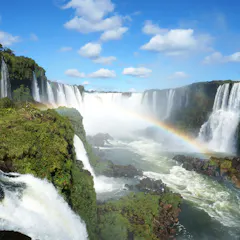
Water is one of our most precious resources, yet it’s in danger. World Water Day reminds us of the need to develop policies and governance to avoid squandering water.
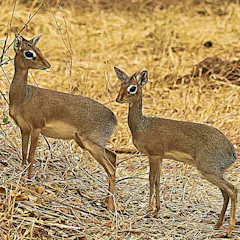
A new study found that community-based wildlife conservation can quickly result in clear ecological success.
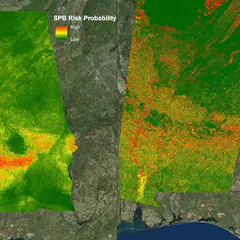
Big data open-access publishing and other advances offer ecologists the ability to forecast events like pest outbreaks over days and seasons rather than decades. But scholars need to seize this opportunity.

The world’s population has reached 8 billion and is expected to climb to nearly 10 billion by 2050. Why will population growth inevitably continue? Should we try to reduce or stop this growth?
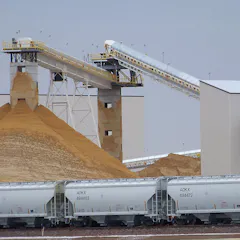
Overuse of sand for construction and industry is harming the environment and fueling violence around the world. Scientists explain why we need international rules to regulate sand mining and use.
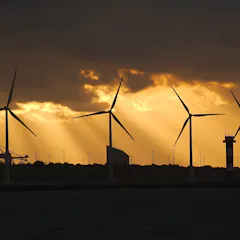
The climate crisis demands not only green technologies, but a completely different approach to economic development.
Top contributors
-

Lecturer in International Studies, University of Washington
-
Professor, Center for Research on North America, Universidad Nacional Autónoma de México (UNAM)
-
Professor of Sustainable Development, Michigan State University
-
Adjunct Professor, School of Environmental Design and Rural Development, University of Guelph
-
Associate Professor and Chair, Communication, Popular Culture and Film, Brock University
-
Founding Director, Institute for Sustainability, University of Surrey
-
Royal Academy of Engineering Chair in Emerging Technologies - Intelligent & Resilient Ocean Engineering, University of Southampton
-
Senior Lecturer in Environmental Management, University of Tasmania
-
Professor of Accounting, Durham University
-
Chair professor - Circular Economy, The University of Melbourne
-
Monash University
-
Assistant Professor of Economics and International Affairs, George Washington University
-
Associate Professor of Earth and Environment, Boston University
-
Professor of Environmental Geography, Northumbria University, Newcastle
-
Chief Research Specialist, Human Sciences Research Council