
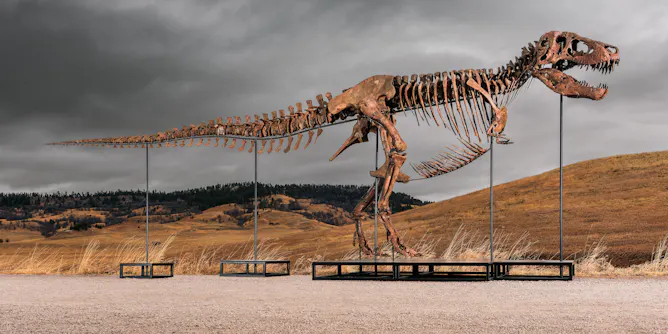
Sold for a record price of more than $50 million, ‘Gus’ was described by Sotheby’s as more than 60% complete.
Articles on Natural history
Displaying 1 - 20 of 58 articles
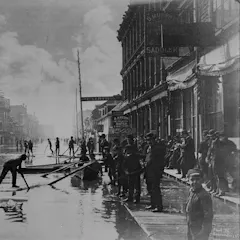
With weather records dating back hundreds of years, it’s possible to track everything from sudden downpours that led to flash floods to the slow changes that occur over centuries.

State lines are one way to picture the US, but natural history provides another – one that shows the ancient and living connections running across the landscape.

New research into the ancient Whakamaru supereruption reveals how multiple underground magma systems combined to unleash one of Earth’s most explosive events.

Attenborough has influenced everything from conservation and documentary production to the communication of the biggest story of all – climate change.
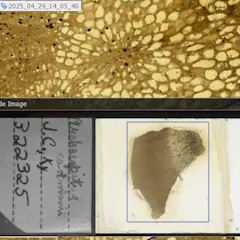
Pollen, algae, insects, radiolarians – each unique microfossil holds clues to how Earth has changed over millions of years. Combining AI with digital scanners helps researchers piece it all together.
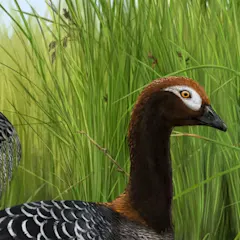
The newly described fossil goose Meterchen luti lived alongside crocodilians and turtles on the shores of the ancient Lake Manuherikia.
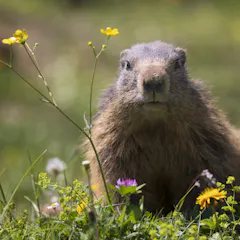
Groundhogs predict spring with the same accuracy as flipping a coin. But they’re vital to their ecosystems, feasting through summer to store enough fat to last through their winter hibernation.
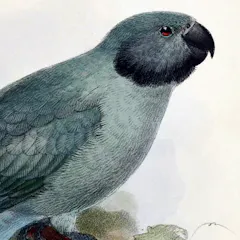
Two specimens at a museum in Cambridge are the only physical evidence this bird ever existed.
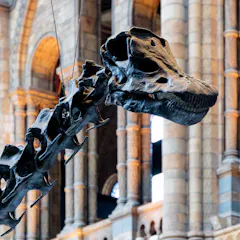
Dippy has been seen up close by more people around the world than any other dinosaur.
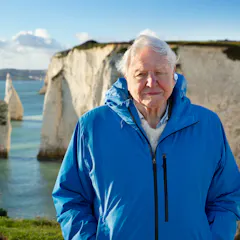
Attenborough’s filmography has shaped how we perceive the natural world.
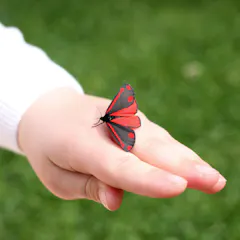
Nature literacy has inspired creativity and innovation for thousands of years.
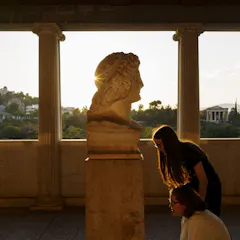
Here’s what the ancient Greeks and Romans can teach us about the environment and ourselves. From Roman soldiers in crowded camps to emperors cleaning up rivers, there are many lessons to be learned.

Ferns have evolved a mutually beneficial relationship with ants, but this happened late in their evolution. A recent study shows that old dogs can learn new tricks.

Not all reparations involve money. Returning unique scientific resources is also a way of showing respect and righting past harms.
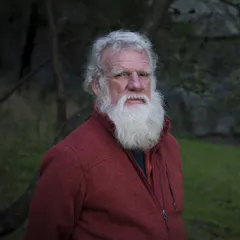
In Black Duck, Bruce Pascoe traces a calendar year on Yumburra, the farm his bestseller Dark Emu helped to purchase.
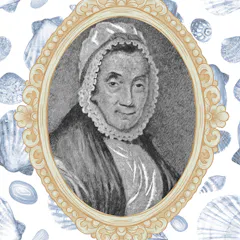
Collecting shells was a common past time in Enlightenment Britain, when elite women were becoming increasingly interested in science.
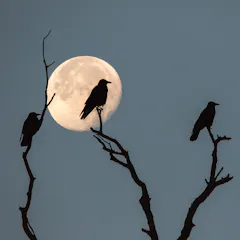
A group of determined women founded the RSPB, but they had great support behind the scenes by a little-known Argentinean naturalist.
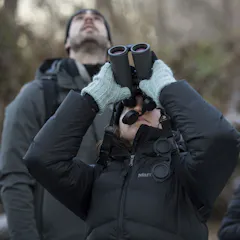
What’s in a name? A lot, if you’re an Audubon’s Oriole or a Townsend’s Solitaire.

New research shows the uncomfortable and shocking truth behind a revered scientist’s reputation.
Top contributors
-

Assistant Director of the University Museum of Zoology, Cambridge, University of Cambridge
-
Professor of Evolutionary Biology and Science Engagement, University of East Anglia
-
Head of Department, Science and Technology Studies, UCL
-
Professor of History, UMass Amherst
-
Associate Research Professor of Anthropology, University of Colorado Denver
-
Senior Lecturer in Psychology, Centre for Research in Animal Behaviour, University of Exeter
-
Collection Manager of Entomology, Australian Museum
-
Postdoctoral Fellow, University of California, Davis
-
Reader in Paleobiology, Curator of Palaeontology, Sedgwick Museum of Earth Sciences, University of Cambridge
-
PhD Candidate in Biological Sciences, University of Cambridge
-
Chancellor's Fellow in Vertebrate Palaeontology, University of Edinburgh
-
Professor of Ecology, Evolution, and Behavior; Director, Institute on the Environment, University of Minnesota
-
Senior Collections Manager at McGuire Center for Lepidoptera & Biodiversity at Florida Museum of Natural History, University of Florida
-
Research Assistant Professor of Psychology, University of Tennessee
-
Professor of Paleontology and Director of the University of California Museum of Paleontology, University of California, Berkeley